

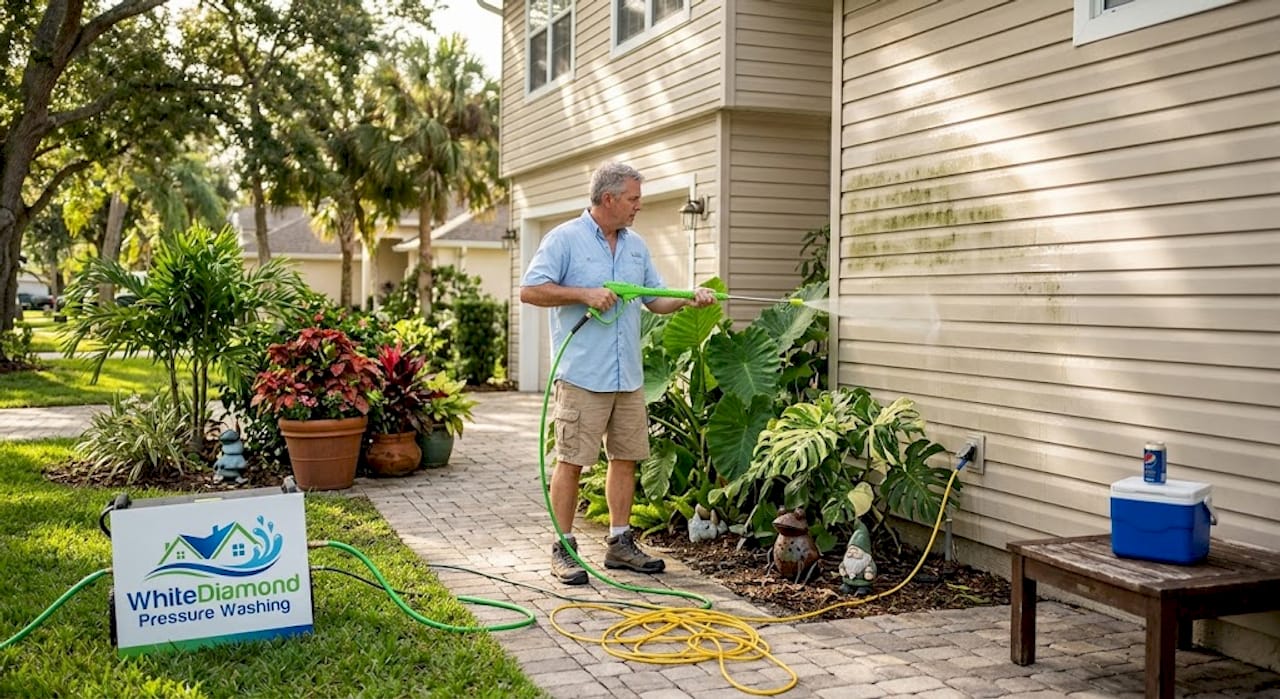
TL;DR:
- Homeowners often believe property washing is simply renting a pressure washer, but improper techniques can cause damage. Proper cleaning involves soft washing or pressure washing tailored to surfaces, with safety measures to prevent costly repairs. Regular professional soft washing enhances curb appeal, prolongs surface longevity, and safeguards your investment in the humid Citrus County climate.
Most homeowners assume that property washing is just a matter of renting a pressure washer and blasting every surface until it shines. Here in Citrus County, that belief leads to cracked stucco, stripped paint, and water damage hiding behind siding every single year. Florida’s intense humidity, pollen seasons, and persistent mold growth mean that cleaning your home’s exterior is a genuinely technical task, not a weekend experiment. This guide breaks down what property washing really means, which techniques protect your home, and how to get lasting results without accidentally creating a costly repair bill.
Table of Contents
- Defining property washing: What it really means
- Standard process: How property washing is done
- Pressure, surfaces, and safety: Avoiding costly damage
- Maximizing curb appeal and home value with proper washing
- Why smart Citrus County homeowners choose safety and expertise
- Take the next step: Safer, stunning property washing
- Frequently asked questions
Key Takeaways
| Point | Details |
|---|---|
| Property washing basics | Property washing safely removes grime and boosts value when done with the right method for your home. |
| Equipment and technique matter | Using the correct pressure and detergents avoids costly damage to surfaces and plants. |
| Soft washing is safer | Soft washing is preferred for Citrus County homes, protecting against mold while preserving surfaces. |
| Professional help saves repairs | For roofs or delicate areas, professional washing prevents errors that can lead to expensive fixes. |
| Curb appeal and value | Regular exterior cleaning dramatically boosts curb appeal and long-term property value. |
Defining property washing: What it really means
Property washing is not a single method. It is a category of exterior cleaning that includes pressure washing, soft washing, and specialty surface cleaning, each chosen based on the specific material being cleaned and the type of contamination being removed. Treating them all as interchangeable is the most common mistake homeowners make.
The core goal of property washing goes beyond removing visible dirt. It removes biological growth like mold, mildew, algae, and lichen that silently degrade your exterior surfaces year round. In a place like Citrus County, where warmth and moisture create near-perfect conditions for these organisms, cleaning is a form of preservation, not just cosmetic maintenance.
Here is what falls under the property washing umbrella:
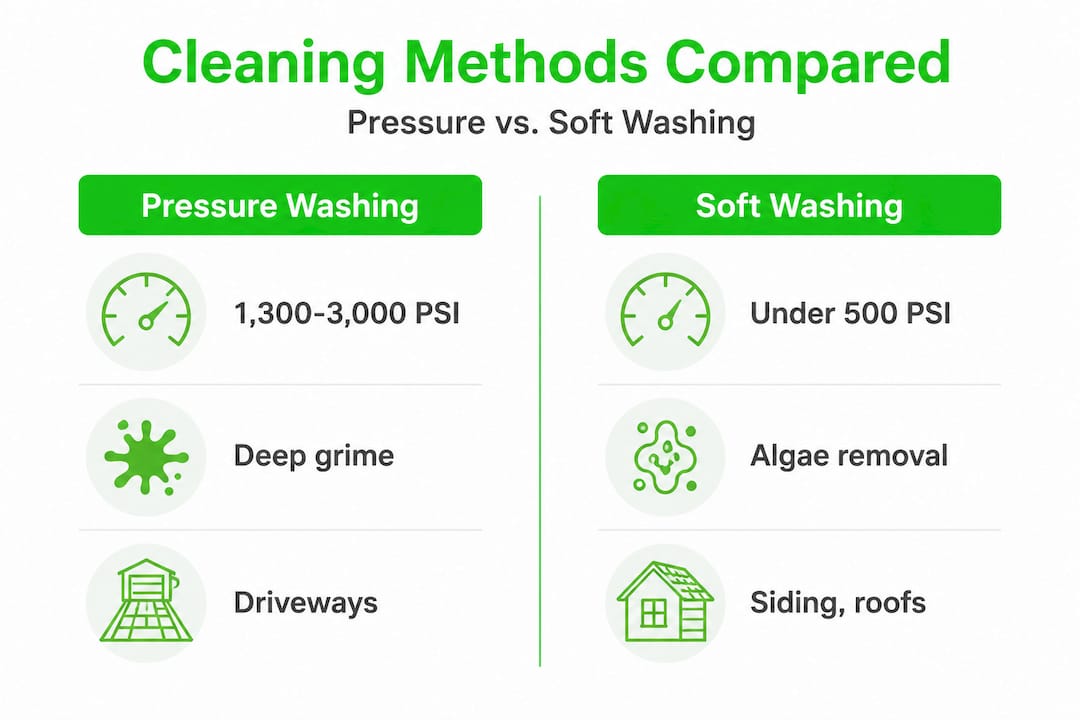
- Pressure washing: Uses high-pressure water (typically 1,300 to 3,000 PSI) to blast away heavy grime, grease, and stains from hard surfaces like concrete driveways and brick paths.
- Soft washing: Uses low pressure combined with professional-grade cleaning solutions to kill mold, algae, and mildew at the source, making it ideal for roofs, siding, stucco, and painted wood.
- Specialty cleaning: Covers surfaces like pool decks, screen enclosures, fences, and gutters that require custom nozzles, specific chemicals, or adjusted techniques.
“Soft washing is the preferred method for most Florida home exteriors because it eliminates the organisms causing discoloration rather than just temporarily washing them away.”
The reason this distinction matters is damage risk. Pressure washing safety is a serious concern when a homeowner grabs a high-powered unit from a hardware store without knowing which surfaces can handle it. As experts note, DIY pressure washing is possible with a 1,300 to 3,000 PSI electric washer, house-specific detergent, and the right nozzles, but it carries real risks of damage, especially when high pressure is applied to surfaces that call for soft washing in Citrus County’s humid environment.
Standard process: How property washing is done
Now that you know what property washing means, let’s walk through the actual cleaning process, step by step, from prepping your yard to rinsing down the last wall.
A safe and effective wash follows a clear sequence. Skipping any step, especially the preparation phase, is where most DIY jobs go wrong. Here is how a professional approaches the job:
- Prepare the area. Move patio furniture, cover plants and flower beds with plastic sheeting, close all windows and doors, and shut off any exterior electrical outlets. This step protects everything that should not get wet or come into contact with cleaning chemicals.
- Wet surrounding vegetation. Even before applying detergent, watering down plants and grass creates a dilution barrier that helps protect them from chemical runoff. You can also protect landscaping during cleaning by pre-soaking the soil, which reduces how much cleaning solution the roots absorb.
- Apply detergent from bottom to top. Starting at the bottom and working up prevents streaking from drips running down a dry surface. Low pressure is used at this stage so the cleaning solution sits on the surface instead of being blasted off immediately.
- Allow dwell time. Let the detergent work for 5 to 15 minutes depending on the level of contamination. This is where the cleaning actually happens, as the solution breaks down mold, mildew, and organic material at the cellular level.
- Rinse from top to bottom. Use a wide-angle nozzle (25 to 40 degrees) and maintain a distance of 12 to 24 inches from the surface. Rinsing from the top prevents dirty water from washing back over already-cleaned areas. This standard methodology is the foundation of every safe and effective exterior wash.
The role of detergents in cleaning is often underestimated. A house-specific cleaner neutralizes biological growth and lifts embedded grime in a way that water pressure alone never can. Never substitute dish soap or generic cleaners, as they can leave residues that attract more dirt or damage certain coatings.
Pro Tip: Never direct the spray nozzle upward under siding, soffit panels, or any overlapping surface. Water forced upward under siding creates moisture pockets that lead to rot and mold growth inside your walls, which is a problem you will not see until it is expensive.
| Feature | Pressure washing | Soft washing |
|---|---|---|
| Water pressure | 1,300 to 3,000 PSI | Under 500 PSI |
| Best for | Concrete, brick, pavers | Roof, siding, stucco, wood |
| Cleaning agent | Water-based or light detergent | Specialized biodegradable solution |
| Mold removal | Removes surface mold | Kills mold at the root |
| Risk of damage | Moderate to high | Very low |
| Frequency needed | As needed | Annually or biannually |
Knowing which method matches which job is exactly where most homeowners end up in trouble. To avoid pressure washing mistakes, start by identifying your surface material before you ever turn on a machine.
Pressure, surfaces, and safety: Avoiding costly damage
Understanding the process is only half the story. Using the right pressure level for each surface can be the difference between a clean house and a costly repair bill.
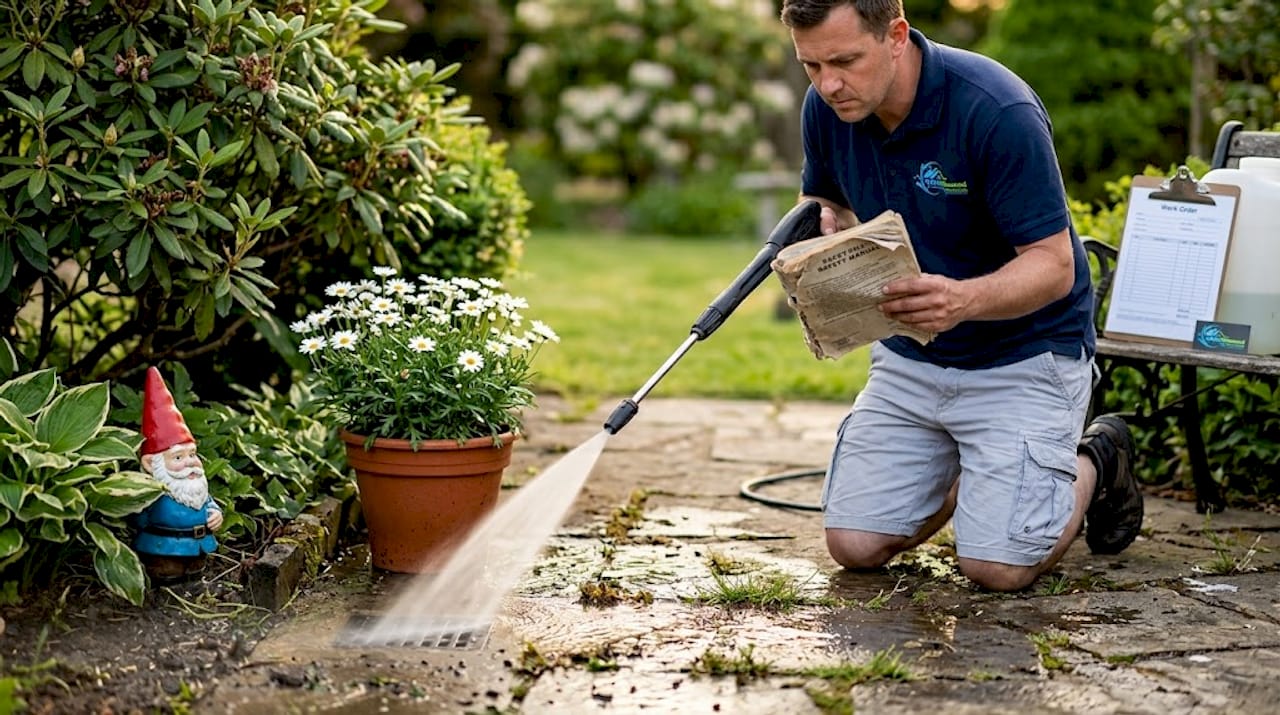
Different exterior materials react very differently to water pressure. What is perfectly safe for a concrete driveway can permanently damage a wood deck or stucco wall. Here is a breakdown of recommended pressure ranges by surface type:
| Surface | Recommended PSI | Method |
|---|---|---|
| Concrete driveway | 2,000 to 3,000 PSI | Pressure washing |
| Brick | 1,500 to 2,000 PSI | Pressure washing |
| Vinyl siding | 1,300 to 1,600 PSI | Low pressure or soft wash |
| Wood siding or deck | Under 600 PSI | Soft washing preferred |
| Stucco | Under 500 PSI | Soft washing only |
| Roof shingles | Under 200 PSI | Soft washing only |
| Aluminum siding | Under 500 PSI | Soft washing preferred |
As experts warn, using over 500 PSI on stucco, wood, or aluminum risks etching or raising the grain permanently. Always test an inconspicuous area first, and keep professionals in mind for roofs and delicate surfaces.
The advantages of low-pressure washing become very clear when you look at the list of surfaces that actually surround a typical Citrus County home: stucco, wood trim, screen enclosures, and aging paint. High pressure is rarely the right answer for most residential surfaces.
Here are the top safety risks that homeowners face when tackling this job themselves:
- Surface etching: Using too high a PSI on soft materials leaves permanent marks or removes the surface layer entirely.
- Water intrusion: Spraying upward under siding or window seals forces water into wall cavities.
- Chemical burns: Undiluted cleaning solutions can damage skin, landscaping, and certain exterior finishes.
- Ladder accidents: Reaching high areas with a pressure wand from a ladder is one of the leading causes of DIY pressure washing injuries.
- Electrical hazards: Water near exterior outlets or light fixtures is a serious shock risk.
Pro Tip: If you notice any surface area where paint is peeling, wood feels soft, or stucco has visible cracks, stop and call a professional before washing that area. Water forced into a compromised surface causes structural damage that far outweighs any cleaning benefit.
For high roofs, materials over 10 years old, or surfaces showing signs of existing damage, the smartest move is to call a professional. Knowing when you are outside your skill zone saves money in the long run. Understanding the risks of high-pressure washing is essential for making that decision confidently.
Maximizing curb appeal and home value with proper washing
You know how to clean and avoid damage. Now let’s see why these steps are not just about appearance, but about long-term value for your home in Citrus County.
A clean exterior creates an immediate visual impact. Neighbors, visitors, and potential buyers form an opinion of your home within seconds of seeing it. Mold streaks on the roof, green algae on the driveway, and dingy siding signal neglect, even when the interior is pristine. Regular property washing flips that impression completely.
Here are the real, tangible benefits of keeping up with a proper washing routine:
- Instant curb appeal boost: A freshly washed exterior can make your home look years newer without any renovation work.
- Mold and algae prevention: Regular soft washing removes the spores before they take hold, reducing how much work the next cleaning requires and keeping surfaces bright longer.
- Extended surface life: Dirt, mold, and algae are corrosive. They break down paint, grout, wood fibers, and even concrete sealers over time. Removing them regularly adds years to the life of your siding, roof, and hardscaping.
- Higher property value: A well-maintained exterior signals to buyers that the whole home has been cared for, which often translates to faster sales and stronger offers.
- Reduced repair costs: Addressing surface contamination early prevents the deeper damage that forces expensive repairs, re-painting, or siding replacement.
Experts confirm that while DIY washing with a 1,300 to 3,000 PSI electric washer and proper detergents is possible, soft washing consistently outperforms high-pressure methods for longevity and safety in humid Florida climates. That approach is exactly what protects the long-term investment your Citrus County home represents.
The benefits of exterior cleaning extend well beyond looks. And knowing how to prevent surface damage while cleaning means you are protecting those benefits year after year, not undoing them with the wrong technique.
A good rule of thumb: if a cleaning job costs $300 and a repair caused by bad technique costs $3,000, the math for doing it right the first time is obvious.
Why smart Citrus County homeowners choose safety and expertise
Here is something most property washing guides will not tell you: the biggest problem we see in Citrus County is not that homeowners skip washing entirely. It is that they wash with too much pressure and too little knowledge, then wonder why mold comes back in six weeks.
High-pressure blasting removes the visible layer of contamination but does nothing to the spores living beneath the surface. In our climate, those spores regenerate rapidly because the heat and moisture never fully go away. Soft washing with a proper biocidal solution actually kills the organism. That is why a professional soft wash typically keeps a home cleaner for 12 to 18 months, while a high-pressure DIY wash might look good for a few weeks before the green starts creeping back.
There is also a material reality that big box store equipment rental brochures never mention. The majority of homes in Citrus County have stucco, older painted wood trim, or tile roofs. All of these surfaces fall into the “under 500 PSI” category. Renting a 2,800 PSI machine and applying it to your stucco because it seemed like the logical choice is how homeowners end up repainting an entire exterior two years ahead of schedule.
Research consistently shows that experts emphasize soft washing over high pressure precisely because of these risks, particularly in humid Florida climates. The professionals who work in this region every day understand which combination of pressure, solution, and technique matches the surface, the stain type, and the season.
Investing in professional soft washing once or twice a year costs a fraction of what siding replacement, stucco resurfacing, or mold remediation inside walls will run you. Understanding the dangers of DIY pressure washing is not about scaring you away from maintaining your own home. It is about helping you make the choice that actually saves money over time.
The takeaway from years of working on Citrus County properties is this: less pressure, better chemistry, and the right knowledge produces a cleaner result that lasts. That is not a sales pitch. That is what the surfaces tell us every time.
Take the next step: Safer, stunning property washing
Knowing the right techniques is a great start, but getting a genuinely clean, protected exterior is where professional expertise makes a measurable difference. For Citrus County homeowners dealing with roofs, stucco, or any surface that needs careful handling, working with a trained team removes the guesswork and the risk entirely.

White Diamond Pressure Washing offers professional property washing services designed specifically for the surfaces and climate conditions found throughout Citrus County. Whether you want to understand the full soft washing process explained or need guidance on how to avoid common pressure washing mistakes before your next DIY attempt, the resources and experienced team are ready to help. Book a free estimate today and see the difference that the right method makes.
Frequently asked questions
What is the difference between property washing and pressure washing?
Property washing is a broad term that covers multiple techniques including soft washing and specialty cleaning, while pressure washing refers specifically to using high-pressure water and may not be appropriate for all surfaces. For many Citrus County homes, soft washing is the safer and more effective choice.
Is property washing safe for all exteriors?
Not all surfaces handle water pressure equally. Stucco, wood siding, aluminum, and roofing materials require under 500 PSI or soft washing to avoid permanent etching, grain damage, or surface stripping, and a professional is the safest option for roofs and older materials.
How often should I wash my home’s exterior in Citrus County?
Most Citrus County homes benefit from washing once or twice a year due to the region’s persistent humidity, pollen, and biological growth. The humid Florida climate accelerates mold and algae development, making routine cleaning a genuine maintenance priority rather than a cosmetic luxury.
Can DIY property washing damage my siding or landscaping?
Yes. Using too much pressure, the wrong nozzle angle, or skipping surface protection steps can crack siding, strip paint, and harm plants near the work area. The recommended approach always starts with covering plants, closing windows, and applying detergent at low pressure before rinsing from top to bottom.
One thought on “What is property washing? A homeowner’s guide to safer, cleaner homes”