

TL;DR:
- Homeowners should regularly clean their exterior surfaces to maintain curb appeal and protect property value. Using appropriate, gentle methods prevents damage to delicate materials while removing biological growth and stains. Hiring professionals ensures proper techniques that preserve surfaces and avoid costly mistakes.
Keeping your Citrus County home looking its best isn’t just about pride, it’s about protecting a significant financial investment. Most homeowners know they should be cleaning their exterior surfaces regularly, but the real confusion sets in when deciding which surfaces to prioritize, which cleaning methods are safe, and when a DIY attempt might actually cause more damage than good. This article walks you through the most important surfaces to clean, the right methods for each, and the expert knowledge you need to avoid costly mistakes that could diminish your home’s curb appeal and long-term value.
Table of Contents
- How to identify surfaces that need cleaning
- 7 essential examples of surfaces every homeowner should clean
- Surface cleaning comparison: materials and methods
- When to call a professional for exterior surface cleaning
- A professional’s perspective: The mistake most homeowners make with surface cleaning
- Get expert results with professional surface cleaning
- Frequently asked questions
Key Takeaways
| Point | Details |
|---|---|
| Prioritize visible surfaces | Focus on cleaning surfaces with the most dirt, wear, or curb appeal impact for best results. |
| Match method to material | Choosing the right cleaning approach prevents damage and preserves surfaces, especially for countertops and delicate exteriors. |
| Know when to hire pros | For tricky, high, or specialty surfaces, professional cleaning ensures safety and the best outcome. |
| Avoid harsh chemicals | Many surfaces can be damaged by acids or bleach; use mild solutions when in doubt. |
How to identify surfaces that need cleaning
Now that you know how vital surface cleaning is, let’s start by identifying which areas require your attention first.
Not every surface needs the same cleaning schedule, and jumping in without a plan can lead to wasted effort or, worse, surface damage. Before you drag out the hose or reach for a cleaning product, take a slow walk around your property and look for these warning signs:
- Visible discoloration or staining: Dark streaks on siding, rust marks on concrete, or green patches anywhere are all red flags.
- Biological growth: Algae, mold, mildew, and lichen don’t just look bad. They actively break down surfaces over time, making early removal critical.
- Surface texture changes: Peeling paint, rough concrete, or deteriorating wood grain often signal moisture damage from inadequate cleaning.
- High traffic and visibility: Your driveway, front walkway, and entryway are the first things guests and potential buyers see. These should be at the top of your list.
- Weather-exposed areas: Citrus County’s heat, humidity, and frequent rain accelerate surface deterioration, especially on roofs and siding.
- Material sensitivity: Some surfaces, like older wood, stucco, and certain stone, cannot handle harsh chemicals or high pressure without sustaining damage.
Pro Tip: Take photos of problem areas every six months. Comparing images over time helps you catch gradual buildup before it becomes a stubborn, expensive cleaning project.
One of the biggest advantages of regular cleaning is prevention. Surfaces that are maintained on a consistent schedule rarely develop the kind of deep-set staining or biological growth that requires aggressive treatment. You can explore common exterior surfaces to clean to build a solid starting checklist for your own property.
7 essential examples of surfaces every homeowner should clean
Once you know what to look for, you can focus your cleaning efforts on the surfaces that matter most.
1. Driveways and walkways
Concrete and paver driveways absorb oil, tire marks, fertilizer runoff, and algae over time. In Florida’s humid climate, biological stains can take hold within weeks of a rainstorm. Pressure washing is highly effective here, but the nozzle angle and PSI settings matter. Too much pressure on older concrete can pit the surface or loosen pavers. Reviewing the right driveway cleaning methods before you start can save you from irreversible surface damage.
2. Siding and exterior walls
Vinyl, stucco, brick, and wood siding all accumulate grime, algae, and pollen. Each material demands a different approach. Vinyl handles moderate pressure well, but stucco is porous and can be compromised by high-pressure blasting. Wood siding should almost always be soft washed using low pressure and appropriate cleaning solutions to avoid splintering or forcing moisture into the material.
3. Roofs
This is one of the most overlooked surfaces on any home. Algae and moss on roofs don’t just affect appearance. They feed on the limestone filler in asphalt shingles, shortening roof lifespan significantly. Soft washing is the only recommended method for most residential roofs. High-pressure washing can strip protective granules right off the shingles, voiding manufacturer warranties.
4. Windows and doors
Exterior windows and doors collect hard water deposits, pollen, mold from frame edges, and general road grime. Clean windows improve natural light inside your home and signal strong property upkeep to anyone viewing the home from the outside. Learn more about the specific value of cleaning exterior windows and why it’s worth including in your regular maintenance schedule.
5. Decks, patios, and porches
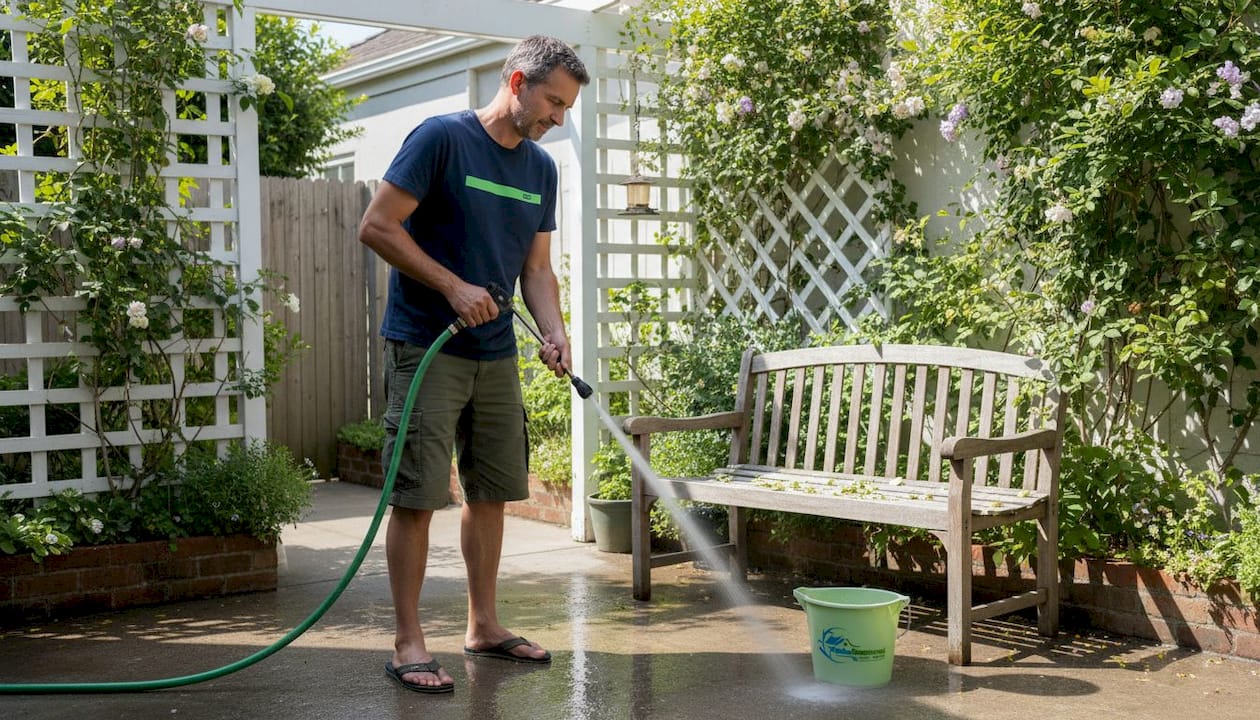
Wood decks and concrete patios are constantly exposed to moisture, UV rays, and foot traffic. Wood surfaces can grow mold between boards and along the grain, which weakens the structure over time. Composite decking is more forgiving but still needs periodic cleaning to remove algae and surface residue. After cleaning, sealing or staining wood decks protects them from Florida’s intense sun and rain.
6. Fences and gates
Wood, vinyl, and chain-link fences all get dirty, and in Citrus County’s environment, they get dirty fast. Mold and mildew can cause wood to rot prematurely. Vinyl fences develop a gray film that soft washing removes quickly without warping or cracking the panels.
7. Household surfaces like countertops
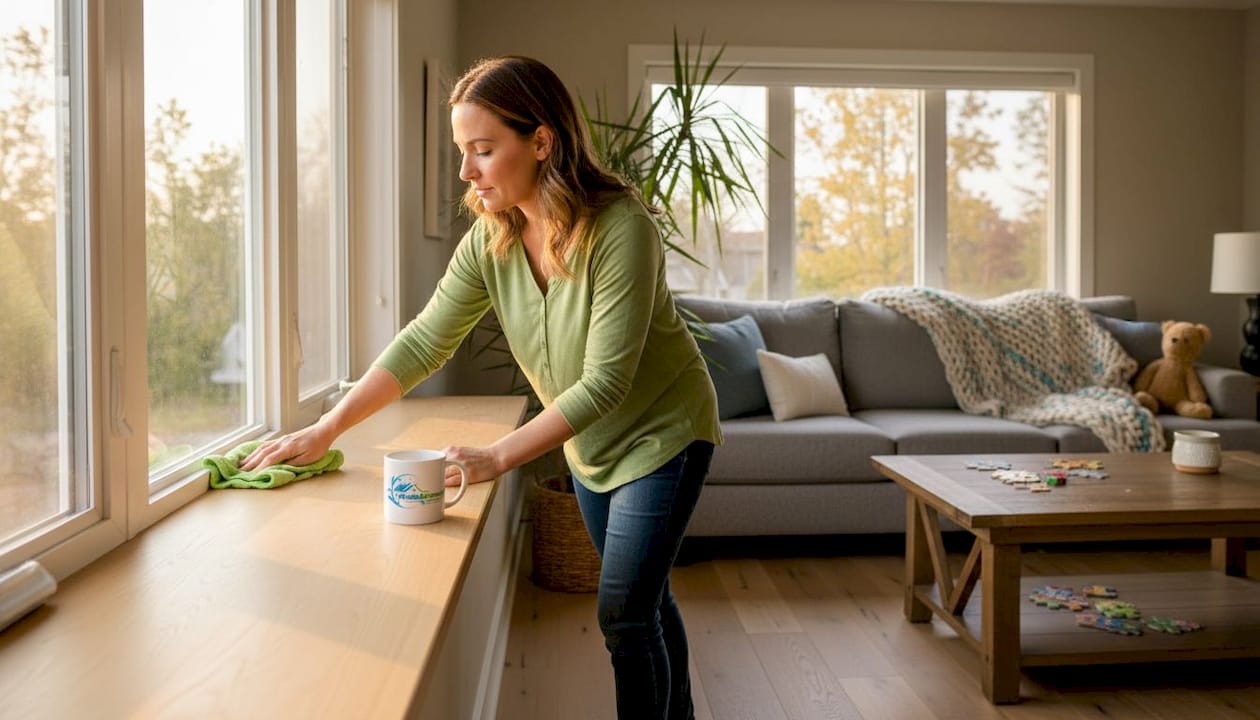
While most exterior cleaning focuses on concrete and siding, indoor countertops deserve attention in any complete home maintenance plan. Natural stone, granite, marble, and laminate countertops each have specific cleaning requirements. A key rule is to avoid acids on countertops like vinegar, lemon juice, or bleach because they etch and permanently damage many surface materials over time.
“For indoor surfaces like countertops, safe everyday cleaning relies on hot water and dish soap, and experts strongly caution against acidic cleaners that cause etching on stone and other materials.” — Real Simple
Pro Tip: For exterior surfaces like fences and siding, always test your chosen cleaning solution on a hidden section first. This is especially important with colored or painted surfaces where bleaching or discoloration can occur.
You can see a broader list of the surfaces to pressure wash safely and effectively for Citrus County homes in 2026.
Surface cleaning comparison: materials and methods
To make the right cleaning decisions, it helps to see how each surface and method compares.
Choosing the wrong cleaning method isn’t just ineffective. It can cause cracking, discoloration, erosion, and voided warranties. Here’s a quick-reference comparison table to guide your decisions:
| Surface / Material | Best Cleaning Method | Important Don’ts |
|---|---|---|
| Concrete driveway | Pressure washing (2,000-3,000 PSI) | Avoid prolonged high pressure on old or cracked concrete |
| Vinyl siding | Soft wash with low-pressure rinse | Don’t use harsh bleach concentrations that fade color |
| Asphalt shingle roof | Soft washing with biocidal solution | Never use high pressure; strips protective granules |
| Wood deck | Low-pressure wash + wood-safe cleaner | Avoid high pressure that splinters wood grain |
| Natural stone countertop | Hot water and mild dish soap | Avoid acidic cleaners on stone like vinegar or lemon juice |
| Vinyl fence | Soft washing | Don’t use abrasive scrubbers that scratch panels |
| Stucco walls | Soft washing only | Never direct high pressure at stucco; causes cracking |
| Brick exterior | Low to moderate pressure | Avoid strong acids that erode mortar between bricks |
| Composite decking | Moderate pressure with deck-safe soap | Skip oil-based cleaners that leave residue |
| Exterior windows | Low-pressure rinse with glass cleaner | Avoid high-pressure direct spray on seals and frames |
This table makes one thing clear: soft washing is the right solution far more often than most homeowners realize. High pressure is only appropriate for hard, non-porous surfaces like unsealed concrete or certain stone pavers. For everything else, lower pressure combined with the right cleaning chemistry does a better and safer job.
You can see soft washing examples from real Citrus County homes to understand how the technique works in practice and what results to expect.
When to call a professional for exterior surface cleaning
After considering cleaning methods and materials, it’s crucial to know your limits. Here’s how to decide when it’s time to call in the experts.
DIY cleaning is fine for many basic tasks, but there are clear situations where attempting it yourself creates more risk than it solves. Here are the top scenarios where calling a professional is the smarter move:
- Height and access risks: Cleaning a second-story roof or gutters without proper equipment creates a serious fall hazard. Professionals use appropriate ladders, harnesses, and platforms.
- Stubborn or set-in staining: Oil stains on concrete, rust marks, or black streaks from algae that have been there for years often require professional-grade chemical treatments and specialized equipment.
- Delicate or specialty materials: Stucco, old brick, soft stone, and cedar shingles are materials that can be permanently damaged by improper pressure or chemicals. Professionals assess materials before touching them.
- Pre-sale preparation: If you’re getting your home ready to sell, a professional cleaning delivers a dramatically better result than a DIY pass with a rented machine.
- Post-storm cleanup: Debris, organic material, and contaminants after a Florida storm require thorough, knowledgeable removal to prevent mold and surface damage from setting in.
Pro Tip: If you’re unsure about the PSI or nozzle to use on a surface, stopping and calling a professional is the right move. Knowing the pressure washing mistakes that homeowners make most often can help you avoid costly surface damage before it happens.
The cost-benefit analysis is often simpler than people expect. A professional cleaning done correctly once a year almost always costs less than the repair or replacement of surfaces damaged by incorrect DIY methods. Understanding the low-pressure washing benefits is a good starting point for understanding why expert technique protects your investment better than raw water pressure.
A professional’s perspective: The mistake most homeowners make with surface cleaning
Here’s the uncomfortable truth we see repeatedly in Citrus County: most homeowners don’t damage their surfaces by neglecting them. They damage them by overcleaning or by grabbing whatever product is under the sink and assuming it will work on anything.
We’ve seen beautiful natural stone countertops permanently etched because a homeowner used a vinegar-based “natural” cleaner every week. We’ve seen vinyl siding that looked worse after a pressure wash than before it because the owner used too much pressure from too close a range, forcing water behind the panels. These mistakes are surprisingly common, and they’re almost always well-intentioned.
The real problem is a belief that cleaning is simple and that more effort always equals better results. In practice, the opposite is often true. A roof that is soft washed once a year with the right biocidal solution will outlast a roof that gets blasted with a pressure washer every six months. A deck sealed properly after a gentle cleaning will resist Florida’s brutal weather far longer than one that gets scrubbed raw repeatedly.
What separates a professional clean from a DIY attempt isn’t just the equipment. It’s the knowledge of exactly how much pressure a surface can handle, which chemicals are compatible with which materials, and how to read the signs that a surface needs a different approach. When we arrive at a property, we assess the material first. We consider how porous it is, how old it is, what previous treatments have been applied, and whether biological growth has already compromised the surface integrity.
The types of exterior cleaning vary widely, and no single method fits every situation. The most valuable cleaning habit a homeowner can build is not a specific product or schedule. It’s the discipline to stop and ask whether the method they’re about to use is actually right for the surface they’re about to clean.
Get expert results with professional surface cleaning
After learning what to clean and when it’s best left to the pros, here’s how we can help you achieve spotless results.
At White Diamond Pressure Washing, we’ve built our reputation in Citrus County by doing one thing consistently: treating every surface with the method it actually needs, not the one that’s fastest or cheapest. Our team evaluates each property individually, choosing from soft washing, low-pressure rinse, or precision pressure washing based on the material and condition we find.

Whether you need your driveway, roof, siding, deck, or windows refreshed, our cleaning services are designed to deliver professional results without risking your surfaces. The benefits of professional exterior cleaning go beyond appearance. You’re protecting material longevity, maintaining home value, and eliminating health hazards like mold and algae. Scheduling with us is easy. Use our online form or call us directly for a free estimate, and we’ll get your Citrus County home looking its best on a timeline that works for you.
Frequently asked questions
Which exterior surfaces require the most frequent cleaning?
Driveways, walkways, siding, and windows usually need cleaning most often due to their exposure to dirt, weather, and traffic in Florida’s climate.
What should I avoid when cleaning household countertops?
You should avoid acidic cleaners like vinegar, lemon juice, or bleach on many countertops to prevent etching and permanent surface damage.
How can I tell if a surface needs professional cleaning?
If a surface is elevated, delicate, or shows stubborn staining and signs of material compromise, contacting a professional is the safest and most cost-effective option.
Are all cleaning solutions safe for every surface?
No, and this is one of the most important things to understand. Always check the manufacturer’s recommendations for cleaning solutions before applying anything to a new or unfamiliar surface.
How often should I have my home’s exterior professionally cleaned?
Most homes benefit from at least one professional exterior cleaning per year, with high-traffic areas or post-storm situations calling for more frequent service.
Recommended
- 7 Common Exterior Surfaces to Clean for Better Curb Appeal – white-diamond-pressure
- Why Clean Home Exteriors Matter for Value – white-diamond-pressure
- Surface Restoration Explained: Enhance Your Home’s Curb Appeal – white-diamond-pressure
- Preventative Exterior Cleaning: Protect Your Home – white-diamond-pressure
One thought on “Top Surfaces to Clean for a Beautiful, Low-Maintenance Home”