

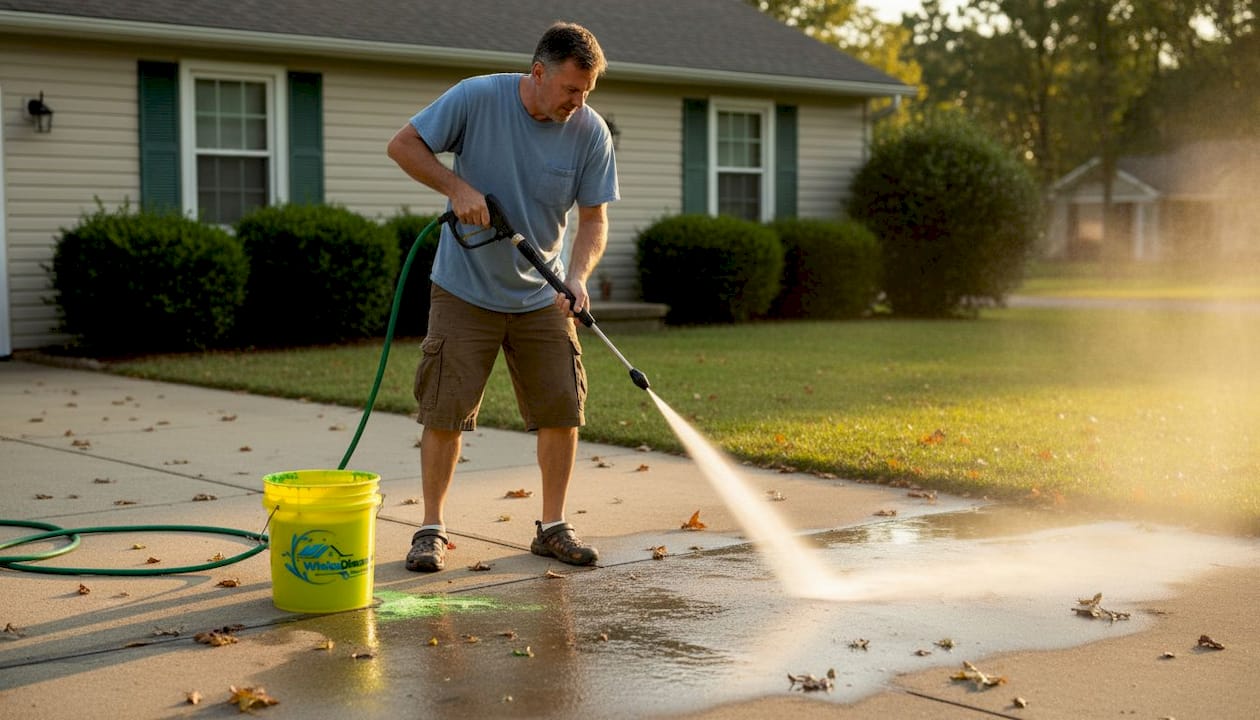
TL;DR:
- Most homeowners in Citrus County believe that using higher water temperatures speeds up cleaning but risk damaging surfaces like vinyl and paint. Proper temperature control, typically between 100 and 130°F, enhances detergent activation and soil removal while minimizing surface harm. Professionals calibrate temperature settings based on surface material, stain type, and local conditions for safe, effective results.
Most homeowners in Citrus County assume that cranking up the heat or the pressure is always the fastest route to a spotless driveway or gleaming siding. That assumption leads to warped vinyl, blistered paint, and surfaces that look worse after cleaning than before. The truth is that water temperature is one of the most misunderstood variables in exterior cleaning, and getting it wrong costs real money. This guide breaks down exactly how temperature interacts with pressure, detergent, and surface type so you can protect your property and get better results every single time.
Table of Contents
- Why temperature matters in pressure washing
- Matching temperature, soil type, and surfaces
- Risks of improper water temperature
- How to choose the right temperature for your job
- What most guides get wrong about water temperature
- Get professional results with expert temperature control
- Frequently asked questions
Key Takeaways
| Point | Details |
|---|---|
| Warm water works best | Water between 100 and 130°F typically cleans most exteriors safely and efficiently. |
| Match temperature to task | Adjust water temperature for greasy stains and delicate surfaces to avoid damage and maximize cleaning. |
| Too much heat can harm | Excess heat may damage paint or siding and degrade certain cleaning products. |
| Follow product guidance | Always use cleaning agents within the temperature range recommended by the manufacturer for optimal and safe results. |
| Consider professional help | Pressure washing experts customize temperature and methods for local Citrus County surfaces, preventing costly DIY errors. |
Why temperature matters in pressure washing
Before diving into practical steps, it is important to understand how water temperature actually changes the cleaning process at a mechanical level.
Water temperature affects how fast cleaning chemicals activate and how effectively they break the bond between dirt and a surface. Think of it like washing a greasy pan: cold water barely moves the grease, but warm water with dish soap cuts through it in seconds. The same principle applies to your driveway, patio, or siding. Warmer water loosens oils, biofilm, and built-up grime much faster than cold water, which means less scrubbing time and, in many cases, less pressure needed overall.
The role of water pressure is important, but it does not work in isolation. Pressure, temperature, and detergent form a three-part system. Adjusting one changes how hard the other two have to work. When temperature is dialed in correctly, you often need less pressure, which dramatically reduces the risk of surface damage.
HydroChem Systems states that the optimal temperature for residential and professional applications centers on 100 to 130°F, described as warm rather than scalding. This range activates most cleaning detergents at peak efficiency without generating enough heat to damage common building materials.
Key factors that interact with water temperature:
- Detergent activation: Most residential cleaners are formulated to perform at warm water temperatures, not boiling or cold.
- Soil type: Oily and greasy stains loosen faster with heat; loose dust and pollen often respond well to cold or lukewarm water.
- Surface sensitivity: Painted wood, aged vinyl, and roofing materials have specific heat tolerances that can be exceeded quickly.
- Dwell time: Warmer water reduces the time a detergent needs to sit on a surface before rinsing, which speeds up the entire job.
Pro Tip: If you are unsure whether to go warm or cold, start at the lower end of the temperature range and increase gradually. It is far easier to add heat than to undo damage caused by too much of it.
Understanding the difference between pressure vs power washing is also critical here. Power washing specifically uses heated water, while standard pressure washing does not. Knowing which method fits your surface is the first decision to make before you ever turn on a machine.
Matching temperature, soil type, and surfaces
Now that you understand why temperature matters, let’s get practical with choosing the right water temperature for your specific surfaces and jobs.
Not every stain on your property behaves the same way, and treating them all with identical settings is one of the most common mistakes we see. Oily stains from car drips or outdoor cooking need warm water and a degreasing detergent. Algae and mildew growth, which is extremely common in Citrus County’s humid climate, respond well to specific chemical treatments applied at moderate temperatures. Loose pollen and surface dust often rinse away with cold or slightly warm water and gentle pressure.
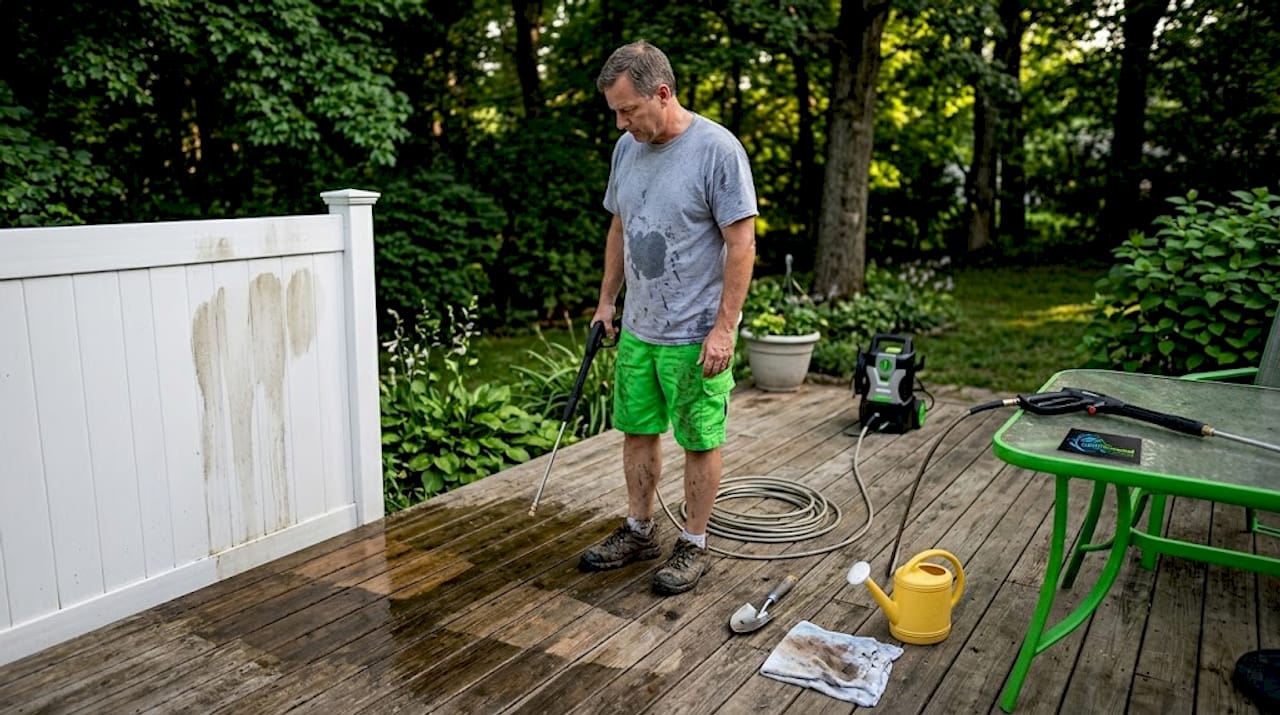
A key nuance for property care is that more pressure is not required when heat and detergent are correctly paired for grease or film. The right combination lifts contamination without grinding it into the surface or forcing water behind siding panels.
Here is a quick reference comparison for common scenarios:
| Surface or stain type | Recommended temperature | Notes |
|---|---|---|
| Concrete driveway (oil stains) | 120 to 130°F | Pair with degreaser detergent |
| Vinyl siding | 100 to 110°F | Stay low to avoid warping |
| Painted wood | 90 to 100°F | Use low pressure simultaneously |
| Roof shingles | Ambient (cold or low warm) | Soft wash method only |
| Patio pavers (algae/mildew) | 110 to 120°F | Chemical dwell time is critical |
| Loose dirt and pollen | Cold to 100°F | Often no heat needed |
Delicate surfaces deserve special attention. Vinyl siding, for example, has a relatively low heat tolerance. Even water that feels only moderately warm to the touch can cause panels to expand unevenly or warp permanently if the machine is set too high. Painted wood surfaces are equally vulnerable. Heat accelerates the expansion of wood fibers, and when paint is already aging, even a brief burst of hot water can cause blistering or peeling that requires a full repaint.
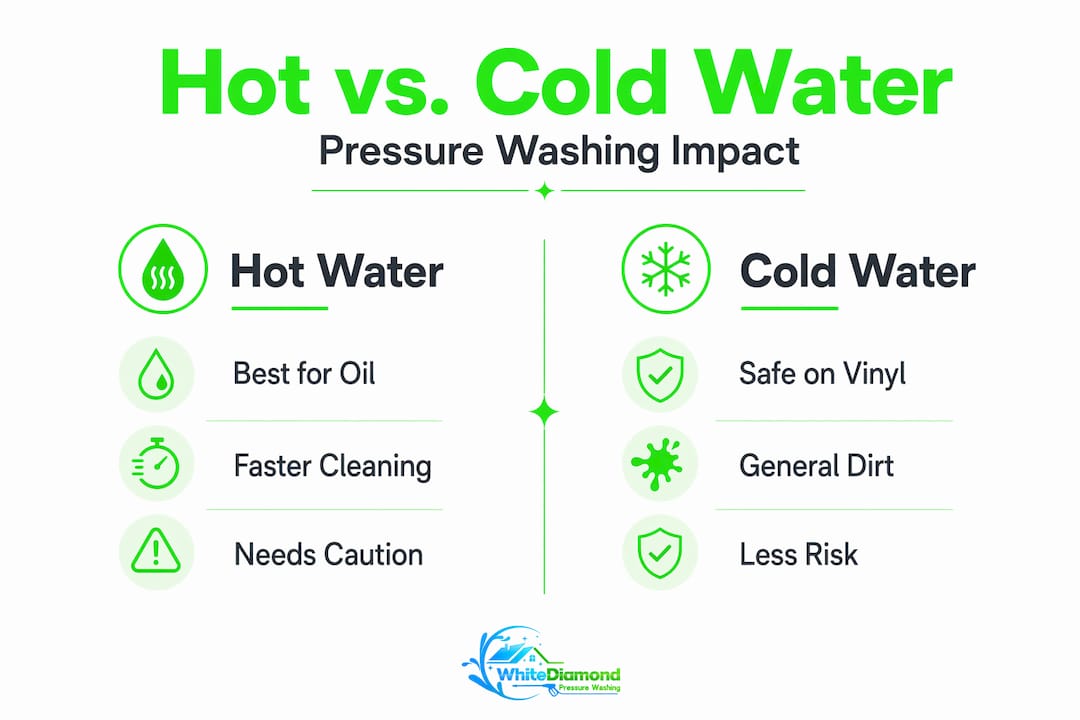
You can review the top surfaces to pressure wash in Citrus County for a broader breakdown by material type. Additionally, resources like floor cleaning tips offer useful reference points for surface-specific care approaches.
Pro Tip: Always test a small, hidden area of any surface before running a full wash at a new temperature setting. A two-foot test patch takes 30 seconds and can save you hundreds of dollars in repairs.
Risks of improper water temperature
Once you know the benefits of matching temperature with surfaces and soils, it is just as important to avoid the pitfalls, including costly errors that are easy to make with rental equipment or unfamiliar settings.
Using the wrong temperature is not just an inconvenience. It can cause permanent damage, create safety hazards, and actually make your cleaning results worse. Here are the most common risks:
- Paint blistering: Heated water applied to painted surfaces, especially those facing direct Florida sun, can cause paint bubbles almost instantly. The heat forces moisture underneath the paint layer, breaking the adhesion.
- Vinyl warping: Panels that are hit with water above 140°F can warp or curl in ways that cannot be reversed without full replacement.
- Chemical breakdown: Cleaning solutions have an ideal temperature window. Push past it and the active ingredients can denature, meaning they stop working or become unstable.
- Burns and scalding: Water above 140°F coming back as overspray or rebound is a genuine safety risk for the person operating the equipment and anyone nearby.
- Grout and seal damage: Many driveways and patios in Citrus County have sealed surfaces. Excessive heat can soften or dissolve those sealants, leaving the material unprotected.
For chemical dilution and cleaner safety, temperature can both increase cleaning performance and create hazards or degrade product potency. This is why following the cleaner manufacturer’s guidance is non-negotiable.
“Temperature can both increase cleaning performance and create hazards or degrade product potency. Always follow the cleaner manufacturer’s guidance for optimal dilution and safety.”
Understanding pressure washing mistakes before starting any project is critical. Reviewing pressure washing safety protocols specific to Citrus County conditions will also help you avoid both property damage and personal injury.
How to choose the right temperature for your job
Avoiding mishaps is only half the story. Here is how you can confidently select the most effective and safe temperature setting for every cleaning need on your property.
The decision process is simpler than most people expect once you break it into logical steps. Follow this sequence for every job:
- Identify the surface material. Concrete, vinyl, wood, brick, and roofing shingles each have different heat tolerances. Start here before touching any setting.
- Identify the primary stain or soil type. Is it greasy, biological (mold/algae), mineral (rust/hard water), or just loose surface dirt? The answer drives your temperature choice.
- Select the appropriate detergent. Match the chemical to the stain, then check the manufacturer’s recommended temperature range for that product.
- Set temperature within the safe range. For most Citrus County exterior surfaces, optimal results occur between 100 and 130°F, though sensitive materials may require staying below 110°F.
- Adjust pressure accordingly. Once temperature and chemistry are set, dial pressure to the minimum effective level. This reduces risk without sacrificing cleanliness.
- Test a small area first. Always. No exceptions.
Here is a practical temperature guide for the most common cleaning jobs in Citrus County:
| Job type | Ideal temperature | Pressure range (PSI) |
|---|---|---|
| Driveway degreasing | 120 to 130°F | 2,500 to 3,000 |
| House siding wash | 100 to 115°F | 1,200 to 1,800 |
| Walkway and patio cleaning | 110 to 120°F | 1,500 to 2,500 |
| Roof soft wash | Ambient | Under 500 |
| Fence cleaning (wood) | 90 to 105°F | 800 to 1,200 |
Understanding high-pressure washing risks becomes especially relevant when you realize that correct temperature often lets you lower the pressure significantly. This is not just safer. It extends the life of your surfaces and reduces water consumption.
Pro Tip: In Citrus County’s summer humidity, surfaces tend to be warmer to begin with. That ambient heat means water stays warm longer on contact, so you may need slightly less temperature from the machine to achieve the same cleaning effect you would get on a cool winter morning.
What most guides get wrong about water temperature
Here is the editorial take that most articles skip entirely, and it is the most important part of this guide for Citrus County homeowners specifically.
The “hotter is better” idea is everywhere. It sounds logical because heat kills bacteria and melts grease, so more heat should mean faster, deeper cleaning. In practice, that logic falls apart almost immediately when applied to real Florida homes. Citrus County properties deal with unique combinations of pollen, algae, hard water mineral deposits, and salt air depending on proximity to the coast or water bodies. A blanket temperature recommendation from a generic online guide or a national equipment manufacturer is not calibrated for those conditions.
We have seen plenty of situations where a homeowner rented a hot-water pressure washer, followed the equipment’s default settings, and walked away with warped vinyl on a two-year-old home. The default settings are not designed for Florida-grade sun exposure or the specific aging patterns of local construction materials. Florida sun degrades paint and caulk faster than almost any other climate in the country, which means surfaces here are often more vulnerable than they appear.
The adaptive approach is the right one. That means testing, adjusting, and treating each surface on its own terms rather than applying a universal formula. It also means recognizing when DIY pressure washing is a genuine risk to your property value. Some jobs genuinely require professional equipment calibration and experience to execute without causing damage. That is not a sales pitch. It is a practical reality when you are working with surfaces that have decades of Florida sun exposure and local organic growth embedded into them.
The most reliable results always come from an assessment-first approach, not a settings-first one.
Get professional results with expert temperature control
If you want flawless results without trial and error, here is how local professionals can help.
Getting water temperature right is one part skill, one part equipment, and one part local knowledge. At White Diamond Pressure Washing, we calibrate every job to the specific surface, soil, and weather conditions on your property that day. There is no guesswork and no defaulting to maximum heat.

Our Citrus County pressure washing services cover everything from concrete driveways and vinyl siding to roofs and walkways, using temperature settings and chemical choices that are matched to what we actually find on your property. If you want to understand the full process before booking, our breakdown of the soft washing process explains exactly how low-pressure, chemistry-driven cleaning works for delicate surfaces. You can also explore the importance of water pressure to see how pressure and temperature decisions connect at every stage of a professional clean. Book a free estimate today and get an expert assessment tailored to your home.
Frequently asked questions
What’s the safest temperature to use for pressure washing my home?
Most home exterior cleaning is safely and effectively done with water between 100 and 130°F, which activates detergents efficiently without risking damage to common building materials. Staying within this range protects both your surfaces and the cleaning chemicals you are using.
Does using hotter water always clean better?
No. Excessive heat can damage surfaces and reduce cleaner effectiveness, since temperature can both increase performance and create hazards or degrade product potency. Always match temperature to the surface and the specific stain you are treating.
Should I adjust temperature for grease or oil stains vs. regular dirt?
Yes. Grease and oily stains respond best to warm water paired with a degreasing detergent, while heat and detergent paired correctly eliminate the need for excessive pressure on filmy or greasy buildup. Loose soils and pollen often require only cold or lukewarm water.
Are there risks to mixing heat with cleaning chemicals?
Yes. If temperatures exceed the product’s recommended range, chemicals can lose potency or become hazardous to handle and to surfaces. Always follow the manufacturer’s temperature guidelines printed on the product label.
Can I use the same temperature for every exterior surface?
No. Different materials like vinyl, wood, and concrete each require specific temperature ranges to avoid damage, and treating them all the same way is one of the fastest routes to costly repairs. Always assess the surface material and its current condition before choosing your settings.