

TL;DR:
- Hardscape cleaning involves removing debris, stains, and organic growth, along with joint sand replenishment and sealing to protect outdoor surfaces. Proper techniques require adjusted pressure, correct materials, and professional knowledge to prevent surface damage and ensure longevity. Routine maintenance, scheduled seasonally, helps preserve pavers, concrete, and stone, preventing costly repairs over time.
Hardscape cleaning, the practice professionals call exterior hardscape restoration and maintenance, is what stands between your outdoor surfaces and years of preventable deterioration. Most homeowners assume it means pointing a pressure washer at a patio and calling it done. It is actually a systematic process covering debris removal, organic growth elimination, stain treatment, joint sand replenishment, and surface sealing. What is hardscape cleaning beyond that basic description? It is the single most effective way to protect concrete, pavers, and stone from the kind of slow damage that costs thousands to repair, and this guide walks you through every step.
Table of Contents
- Key takeaways
- What hardscape cleaning actually involves
- Hardscape cleaning methods compared
- Seasonal hardscape maintenance schedule
- Professional cleaning vs. doing it yourself
- My take on what most homeowners get wrong
- Protect your hardscape with the right team
- FAQ
Key takeaways
| Point | Details |
|---|---|
| Cleaning is a full system | Effective hardscape care combines debris removal, washing, stain treatment, joint sanding, and sealing as one workflow. |
| Pressure settings matter | Using the wrong pressure on pavers or stone can cause surface damage that no cleaning can fix. |
| Joint sand always needs replacing | Pressure washing displaces joint sand even when pavers look clean; replenishing it prevents instability and weed growth. |
| Sealing protects your investment | Resealing every two to three years guards against stains, water damage, and color fading. |
| Seasonal timing maximizes results | Spring and fall deep cleanings aligned to weather cycles keep surfaces in the best long-term condition. |
What hardscape cleaning actually involves
The term covers far more ground than a quick rinse. Hardscape cleaning involves removing dirt, debris, organic growth, and stains from surfaces like concrete, pavers, and natural stone, combined with repairs, joint sand restoration, and protective sealing. Think of it as a complete treatment cycle, not a single task.
Here is the typical workflow a qualified technician follows:
- Surface inspection. Every job starts with a close look at the surface. That means checking for cracked pavers, loose stones, active weed growth pushing through joints, and stain types. Oil, rust, and algae each require different treatments, and knowing what you are dealing with before you apply water or chemicals prevents costly missteps.
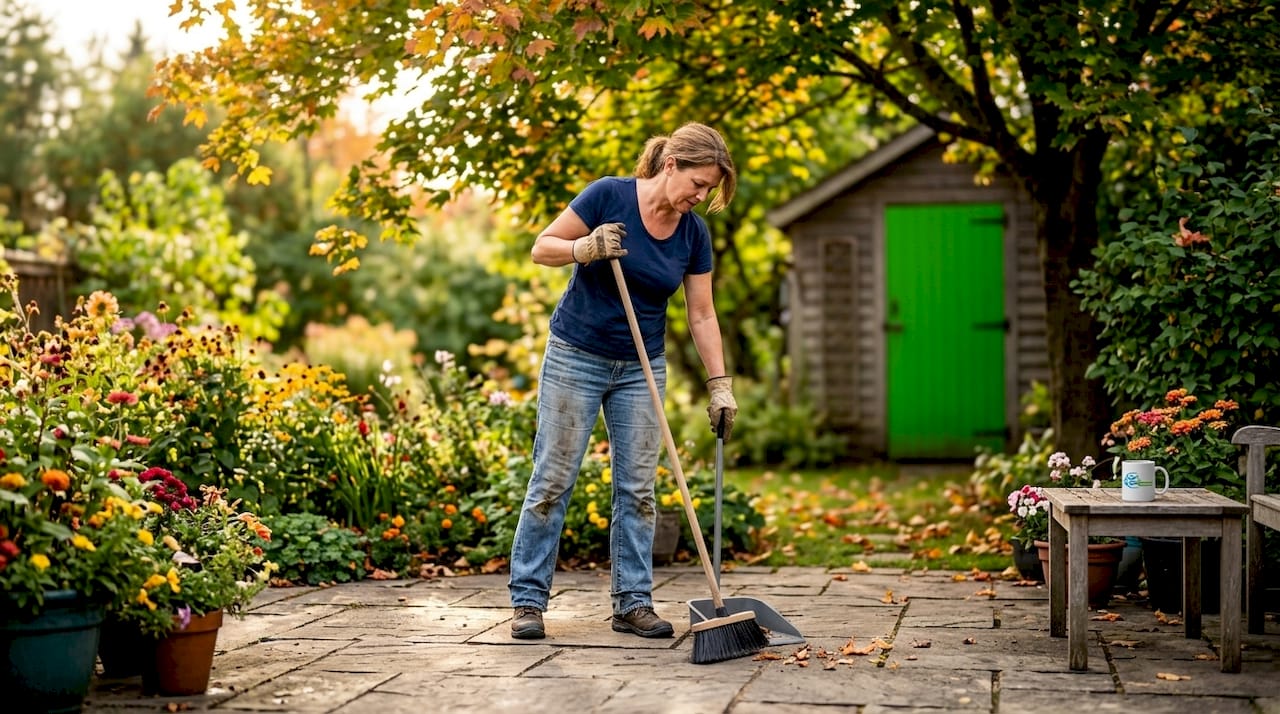
- Debris clearing and sweeping. Leaves, grit, and loose soil come off first. Washing over debris grinds particles into the surface and can scratch stone or pavers.
- Controlled pressure washing. Water pressure is adjusted based on material type and surface condition. Pressure washing requires careful adjustment to preserve the integrity of pavers and avoid surface damage. Concrete handles higher pressure than natural stone or porcelain.
- Targeted stain treatment. Oil stains, rust rings, and algae patches each need specific spot treatments applied before or after the main wash, depending on severity.
- Joint sand replenishment. This is the step most DIYers miss entirely. Pressure washing displaces joint sand even when pavers appear perfectly clean. Polymeric sand gets swept into the joints, compacted, and then activated with water to lock in place. Skip this and the surface shifts underfoot.
- Sealing. A quality sealant goes on last, once everything is dry. Sealing protects against stains, water damage, and color fading, with resealing recommended every two to three years depending on exposure and foot traffic.
Pro Tip: New hardscapes need to cure for at least 30 days before you apply any sealant. Sealing too early traps moisture inside the material and leads to premature failure of both the sealant and the surface beneath it.
Hardscape cleaning methods compared
Not every surface or situation calls for the same approach. Understanding your options keeps you from causing the kind of damage that looks worse than what you started with.
Manual scrubbing
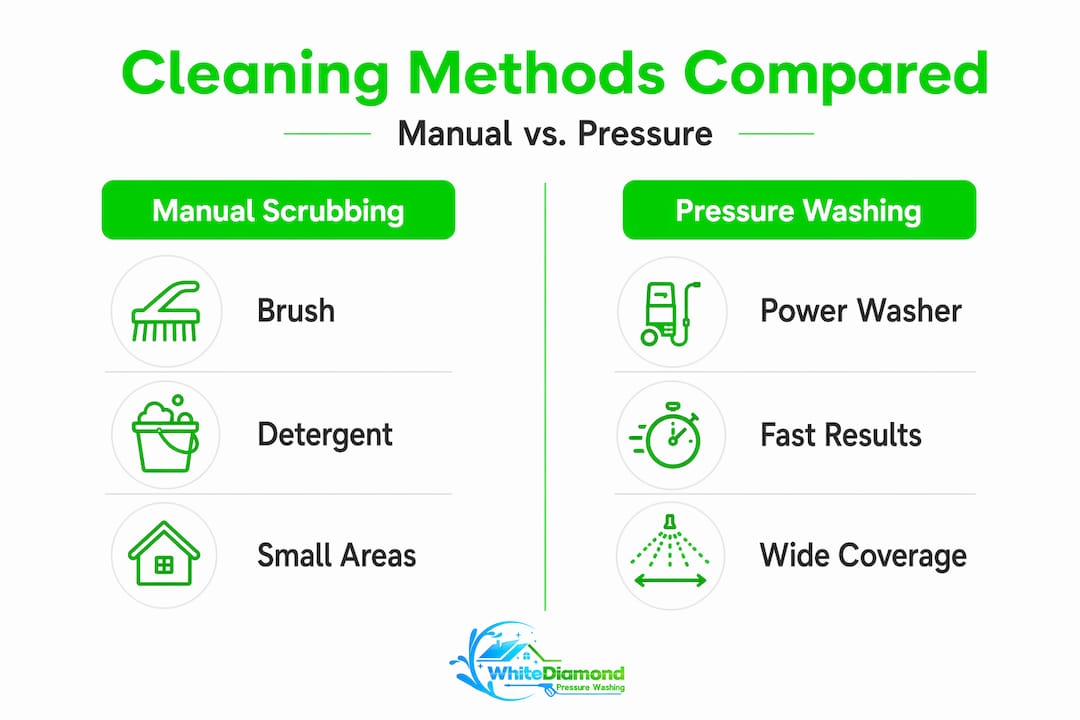
A stiff-bristle brush and a mild detergent solution work well for light staining and routine maintenance on smaller areas. This method gives you maximum control and zero risk of pressure damage. The tradeoff is time and physical effort. Always wet the surface first before applying any cleaning solution. Applying cleaners to dry pavers causes uneven absorption and can leave permanent marks.
Pressure washing
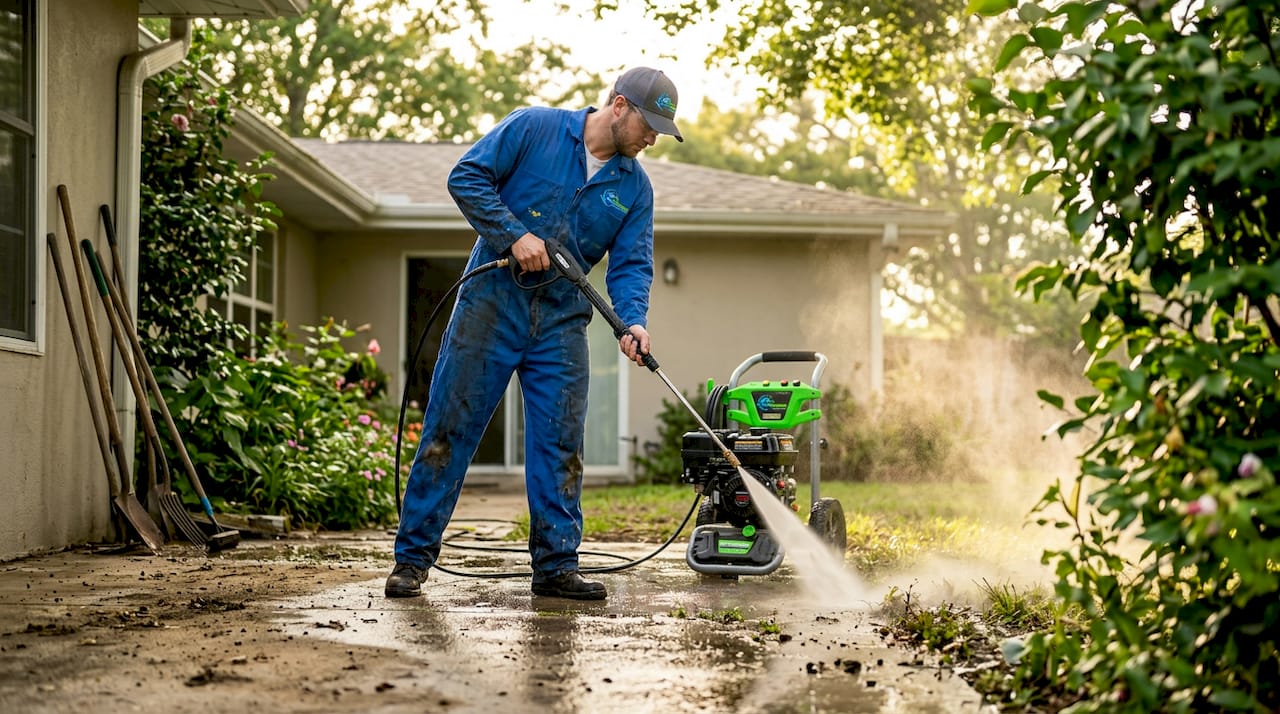
This is the most widely used method, and the most frequently misused. High-pressure water strips away grime fast, but the wrong nozzle or PSI setting on natural stone or older pavers can etch surfaces, widen joints, and scatter sand in minutes. For most residential concrete, 1,500 to 2,500 PSI is a reasonable range. For delicate stone or aged brick, go lower or switch methods entirely.
Soft washing
Soft washing uses low water pressure combined with biodegradable cleaning solutions to break down organic growth like algae, mold, and mildew at the root. It is the right call for surfaces that cannot tolerate high pressure. Whitediamondpressurewashing uses this approach on surfaces where conventional pressure washing would cause damage. You can read more about the method in this soft cleansers for decks guide, which applies equally to patios and stone walkways.
Here is a quick comparison of the three main approaches:
| Method | Best for | Main risk |
|---|---|---|
| Manual scrubbing | Light stains, small areas | Labor intensive |
| Pressure washing | Concrete, heavily soiled surfaces | Surface and joint damage if misused |
| Soft washing | Stone, aged pavers, organic growth | Slower acting |
A few things to avoid no matter which method you choose:
- Wire or steel brushes, which scratch and permanently damage surface texture
- Bleach on colored or sealed pavers, which causes fading and seal breakdown
- High-concentrate acid cleaners without professional dilution and protective gear
- Sealing over damp or dirty surfaces, which traps moisture and causes bubbling
Pro Tip: When shopping for cleaners, match the product to your specific material. A cleaner labeled safe for concrete may be too harsh for natural limestone. Check the product label for compatibility before buying.
To avoid common errors during the process, the pressure washing safety guide from Whitediamondpressurewashing covers what to watch out for when working on outdoor hardscapes.
Seasonal hardscape maintenance schedule
Cleaning is not a once-a-year event if you want surfaces to last. Effective maintenance uses seasonally aligned routines, making spring and fall the ideal windows for deep cleanings and sealing checks.
Here is what a realistic maintenance calendar looks like for most homeowners:
- Weekly: Sweep leaves, dirt, and debris off paved areas. Organic matter holds moisture against the surface and accelerates staining and biological growth.
- Monthly: Rinse surfaces with a garden hose and spot-treat any fresh stains before they set. Oil and food stains are dramatically easier to remove within 48 hours of contact.
- Spring: Schedule a full deep clean after winter. Freeze-thaw cycles crack grout lines and shift pavers. Spring is the time to inspect joints, address heaving, and wash away the grime that has built up since fall.
- Fall: Clean before temperatures drop. Remove biological growth and reseal if the surface is due. Sealing before winter gives the material its best protection against moisture penetration and freeze damage.
- Every two to three years: Reseal all sealed surfaces. Resealing timing depends on exposure, material type, and usage level. High-traffic driveways may need resealing closer to the two-year mark.
One detail that gets overlooked: joint sand integrity. Regular maintenance includes checking joint sand alongside sweeping and rinsing, because sand loss allows weeds to root and pavers to rock underfoot. A surface that feels loose is telling you the joints need attention before you schedule the next wash.
Staying consistent with routine care is far less expensive than reactive cleaning. Cleaning frequency tied to material type and environmental conditions keeps harmful buildup from reaching the point where it causes structural damage.
Professional cleaning vs. doing it yourself
There is real value in knowing what each approach delivers and where each one falls short.
A motivated homeowner can handle sweeping, rinsing, and light spot cleaning without any professional help. That covers the routine end of the maintenance spectrum. Where DIY runs into limits:
- Pressure settings require experience. Too high and you etch the surface or destroy the joints. Too low and biological growth stays rooted.
- Stain identification matters. Applying a rust remover to an algae stain or vice versa does nothing at best and damages the surface at worst.
- Joint sand replenishment requires the right sand type, proper compaction technique, and water activation timing.
- Sealant application over an improperly prepped surface fails within a season.
Professional teams bring commercial-grade equipment, access to the right chemical formulas for each material, and the experience to read a surface before touching it. A holistic cleaning plan combines debris removal, pressure washing, joint sanding, and sealing as a coordinated system rather than isolated tasks. That systems-level thinking is what separates a professional result from a DIY attempt that looks clean on the surface but misses the structural work underneath.
What you can do between professional visits:
- Sweep weekly and rinse monthly to reduce buildup between cleanings
- Treat fresh stains immediately rather than waiting for the next scheduled service
- Check for rocking pavers or visible joint sand loss and report it during your next appointment
- Keep organic debris like leaves and mulch away from paver edges to slow biological growth
Pet waste is a specific concern that homeowners often underestimate. Repeated exposure to urine on pavers accelerates staining and odor. Services like The Poopinator handle pet waste removal from outdoor areas, which reduces the workload on your hardscape surfaces between professional cleanings.
My take on what most homeowners get wrong
I have seen a lot of hardscape jobs across Citrus County, and one pattern comes up almost every time. People focus on what they can see and ignore what they cannot. A surface can look clean after a wash and still be in trouble. The joints are gone, the sand has washed out, the pavers are subtly shifting. A few more freeze-thaw cycles or a good rain and you have got cracked edges, uneven surfaces, and a repair bill that dwarfs what a proper cleaning would have cost.
The pressure setting question is the other thing I feel strongly about. I have watched homeowners rent a pressure washer and crank it up because they assume more pressure means better results. It does not. It means etched concrete, stripped sealant, and blown-out joints. The right pressure for a natural travertine patio is completely different from what you would use on a poured concrete driveway. Getting that wrong once can leave permanent marks that no amount of sealing will hide.
My honest recommendation is this: do the routine maintenance yourself. Sweep it, rinse it, treat fresh stains fast. But bring in a professional for the deep clean, the joint work, and the sealing. Not because you cannot learn those skills, but because the cost of getting them wrong the first few times usually exceeds the cost of hiring someone who already has them. Your outdoor surfaces represent a real investment in your property. Treating them that way from the start is the approach that pays off over a ten or fifteen year horizon.
— Bobby
Protect your hardscape with the right team
Keeping your outdoor surfaces in great shape does not have to be a guessing game. Whitediamondpressurewashing brings the expertise, commercial-grade equipment, and material-specific cleaning solutions to handle everything from routine driveway washing to full hardscape restoration, including joint sand replenishment and sealing, all in one visit.

Whether you are managing a residential property or a commercial space in Citrus County, getting a professional assessment before problems compound is the smart call. Explore the full cleaning services offered by Whitediamondpressurewashing, or visit the main site to request a free estimate today. Your pavers, concrete, and stone will look better, last longer, and stay safer underfoot.
FAQ
What does hardscape cleaning include?
Hardscape cleaning covers debris removal, pressure or soft washing, stain treatment, joint sand replenishment, and protective sealing. It is a complete maintenance system, not just a surface rinse.
How often should hardscape surfaces be cleaned?
Most surfaces benefit from weekly sweeping, monthly rinsing, and a seasonal deep clean each spring and fall. Resealing is recommended every two to three years depending on traffic and exposure.
Can I pressure wash pavers myself?
You can, but pressure settings must match the material. Using too much pressure on natural stone or aged pavers causes surface etching and joint damage that cannot be reversed without replacement.
Why does joint sand need to be replaced after cleaning?
Pressure washing displaces polymeric sand from the joints between pavers even when the surface looks clean. Without compacted joint sand, pavers shift, weeds take root, and surface stability deteriorates quickly.
When is the best time to seal hardscape surfaces?
Seal in dry weather after a thorough cleaning, and never on a new surface that has not cured for at least 30 days. Fall sealing before winter gives surfaces strong protection against freeze damage and moisture penetration.
One thought on “What Is Hardscape Cleaning? a Homeowner’s Guide”