

TL;DR:
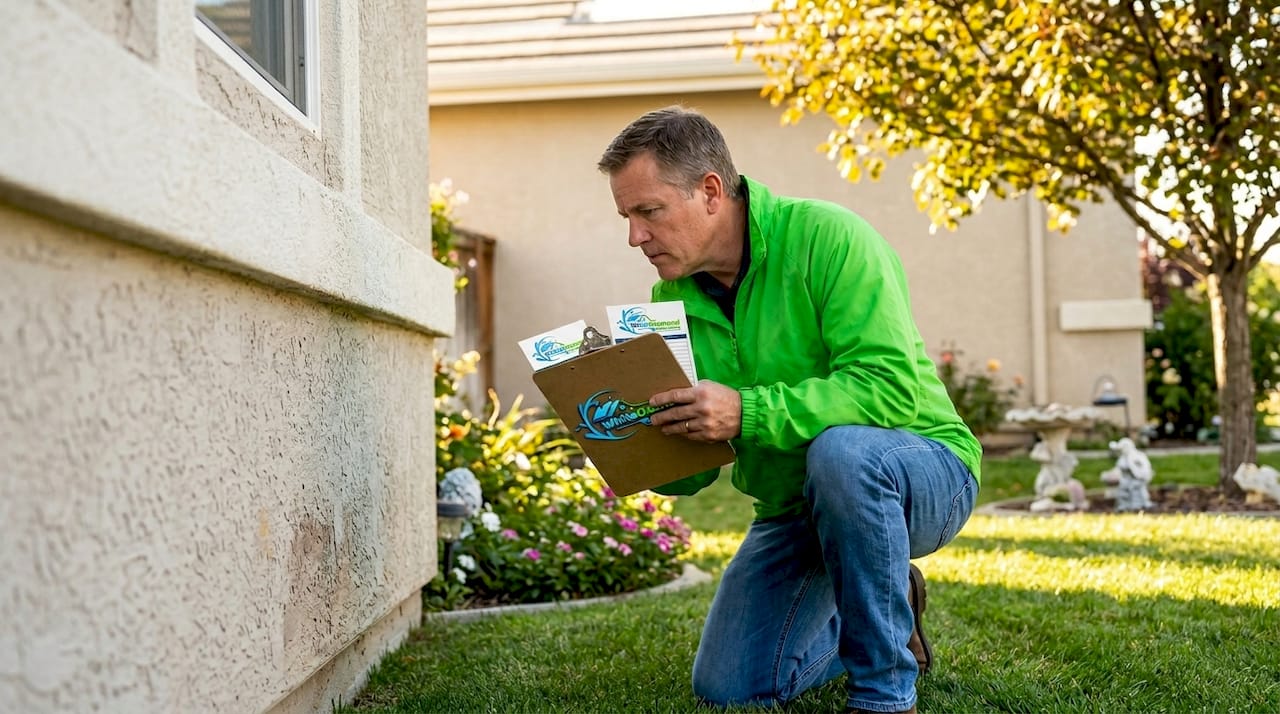
- Regular exterior surface inspections detect hidden damage early, preventing costly repairs and safety risks. Scheduling annual visual checks and deep assessments every five years, especially in spring, optimizes property maintenance and value. Consistent inspections alongside proper cleaning protect homes by identifying issues before they become emergencies.
Most homeowners only call an inspector after something visibly goes wrong. A crack appears in the stucco. A water stain shows up on the ceiling. By that point, the damage has already been compounding for months, sometimes years. Understanding why schedule exterior surface inspections matters is really about understanding how hidden deterioration works. It doesn’t announce itself. It spreads quietly through sealant gaps, under surface coatings, and behind walls until a minor fix becomes a major project. This guide breaks down the real risks of skipping routine evaluations, the smartest timing for scheduling them, and how a consistent inspection plan protects both your safety and your investment.
Key Takeaways
| Point | Details |
|---|---|
| Hidden damage is the real threat | Deterioration in sealants, roofing, and masonry often advances for months before any interior signs appear. |
| Spring is the best inspection window | Post-winter inspections catch freeze-thaw damage before summer heat accelerates surface cracking and moisture spread. |
| Early detection cuts costs significantly | Catching defects before they worsen can reduce repair costs by up to 60% compared to emergency fixes. |
| Inspection records protect property value | Documented condition reports support insurance claims, repair negotiations, and accurate market pricing. |
| Both visual and deep assessments are needed | A two-tier schedule combining annual walkthroughs with periodic professional evaluations gives the most complete picture. |
Why schedule exterior surface inspections before damage shows up
The term you’ll hear professionals use is building envelope assessment, which refers to the structured evaluation of all exterior surfaces that protect a structure from weather, moisture, and environmental stress. Whether you call it a surface inspection or an envelope assessment, the core purpose is the same: find problems before they find you.
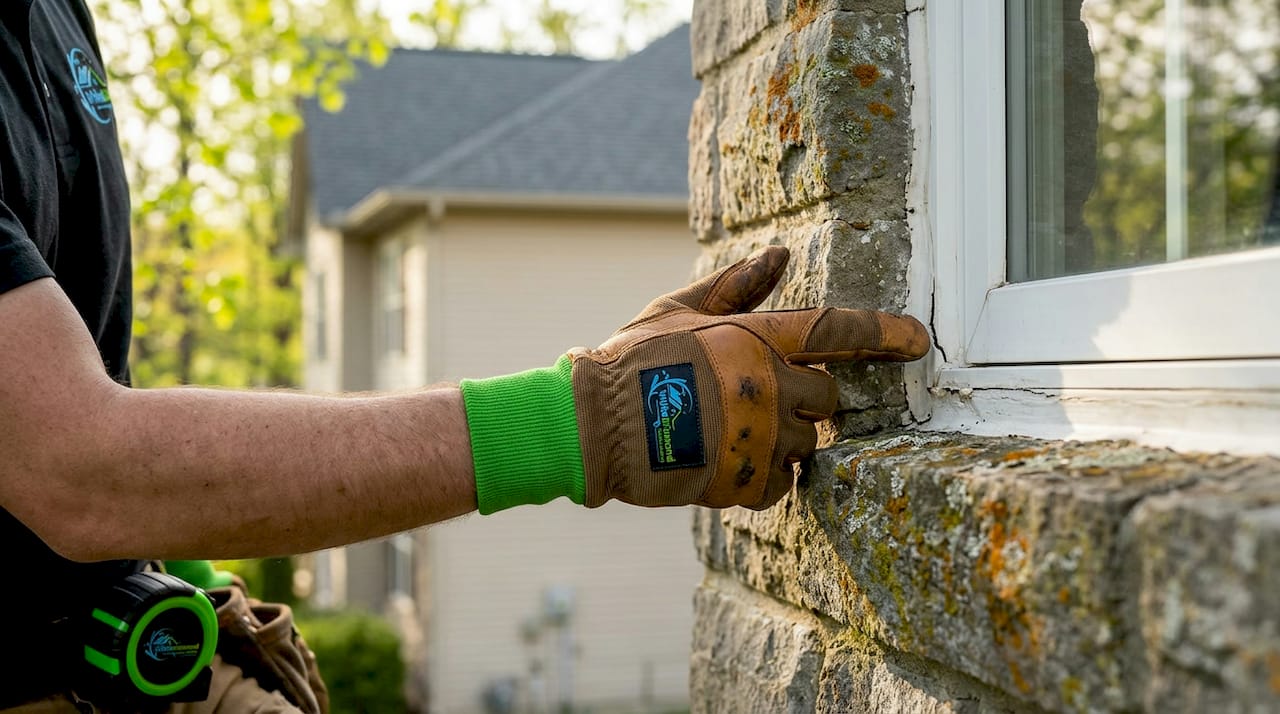
Here’s the issue with waiting for visible damage. Sealant failure at facade joints can allow moisture intrusion for months before a single interior stain appears. The water entry point is almost never where the symptoms show up. A wet patch on an interior wall might trace back to a compromised window flashing two floors above. Water intrusion diagnostics require a forensic approach precisely because the damage path is rarely direct or obvious.
This displacement between cause and symptom is exactly why reactive inspection practices cost so much more than proactive ones. You end up paying to investigate, then paying to fix the original problem, and then paying to repair the secondary damage created while the problem went unnoticed.
The importance of exterior inspections also extends well beyond moisture. Weather exposure degrades multiple surface types simultaneously:
- Masonry and stucco develop hairline cracks that allow water entry and eventually lead to spalling or structural compromise
- Roofing materials lose granule coverage and sealant integrity, especially after temperature cycling
- Wood siding and trim absorb moisture, leading to rot that can spread to structural framing if left unchecked
- Caulking and joint sealants degrade based on UV exposure and thermal movement, typically within 10 to 25 years
The structural risks escalate beyond cosmetic concerns. Loose masonry, deteriorating balcony connections, and failing parapet walls are all documented outcomes of skipped exterior evaluations. These are safety hazards that affect occupants and neighbors alike.
Pro Tip: When inspecting exterior surfaces after heavy rain, check interior walls and ceilings within 24 hours. Fresh water staining can help you trace active entry points that aren’t visible during dry conditions.
Scheduling best practices: frequency, timing, and compliance
One of the most practical questions homeowners and property managers ask is: how often should these evaluations actually happen? The answer depends on a few variables, including building age, material type, local climate, and whether you’re managing a single-family home or a multi-unit property.
Recommended inspection intervals
| Inspection type | Frequency | Who performs it |
|---|---|---|
| Visual walkthrough | Annually | Owner or property manager |
| Surface condition assessment | Every 2 to 3 years | Qualified inspector |
| Full building envelope inspection | Every 5 years | Licensed professional |
| Post-storm or event inspection | As needed | Owner or professional |
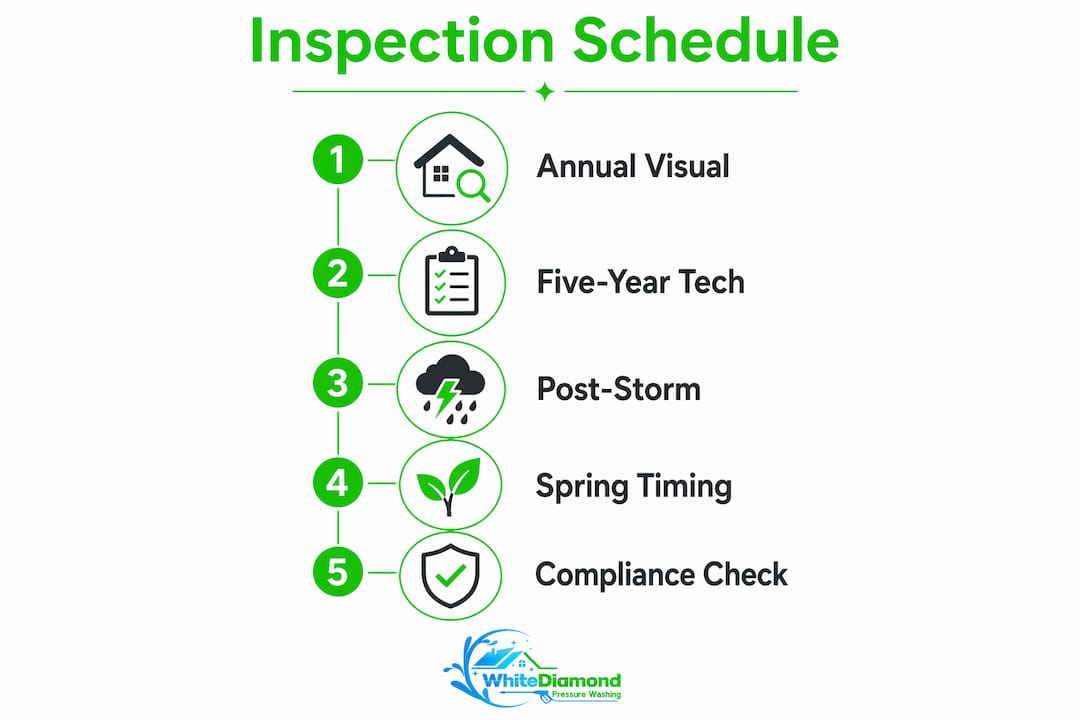
A solid facade inspection program typically pairs annual visual checks with deeper technical assessments every five years. Annual walkthroughs catch obvious surface changes, new cracks, or drainage issues. The deeper assessments involve equipment, documentation, and condition ratings that give you trend data over time.
For larger or taller properties, compliance requirements may dictate your schedule. New York City’s Local Law 11 is one of the most cited examples: buildings over six stories must undergo certified facade inspections every five years. Similar mandates are appearing in other major cities as aging building stock becomes a public safety concern. Even if you’re not legally required to follow such a schedule, it reflects sound practice for any building over 20 years old.
Why spring is your best window
Timing matters as much as frequency. Spring inspections catch winter damage from freeze-thaw cycles before warmer weather compounds the problem. When water infiltrates a crack in late fall and freezes, it expands and widens the gap. By the time temperatures rise, that crack is larger, deeper, and now exposed to spring rain at increased volume.
Scheduling your assessment in March or April gives you the clearest picture of accumulated winter stress and the most time to arrange repairs before humidity and heat accelerate any ongoing deterioration.
Pro Tip: Pair your spring inspection with a post-inspection cleaning. Removing organic buildup like algae, mold, and dirt from surfaces often reveals cracks and surface damage that were hidden underneath. Knowing why inspection matters before pressure washing helps you sequence these tasks correctly.
How inspections protect property value and your budget
The financial argument for regular surface evaluations is straightforward once you understand the cost curve. Small defects are cheap to fix. Medium defects are moderately expensive. Emergency remediation, structural repairs, and mold remediation are extremely expensive, and they tend to arrive all at once once a problem reaches critical mass.
Early defect detection can reduce emergency repair costs by up to 60% compared to waiting for a crisis. That figure isn’t abstract. A $300 sealant repair today versus a $4,000 water intrusion repair in two years is a realistic comparison for many homeowners.
The benefits of surface inspection extend into property transactions as well. When you sell, inspection reports help negotiate repairs, support accurate pricing, or serve as documentation of proactive maintenance. Buyers and their agents notice when a seller has records. It signals that the property has been cared for, which directly influences perceived value and negotiation leverage.
There’s also an insurance dimension. Documented inspection records can support claims, demonstrate due diligence, and in some cases reduce premium rates for commercial properties. Consistent records using condition ratings and defect classifications enable reliable trend analysis that makes budgeting predictable rather than reactive.
Here’s what a well-maintained inspection record allows you to do:
- Plan repair budgets one to three years in advance based on observed deterioration rates
- Prioritize exterior maintenance spending by severity rather than guessing
- Demonstrate property condition to lenders, insurers, and buyers with credible documentation
- Avoid the premium costs of rush repairs driven by last-minute emergencies
The connection to curb appeal is also real. Clean, intact exterior surfaces are one of the first things buyers, tenants, and neighbors notice. Properties with visible surface degradation appraise lower and spend more time on the market. Exterior maintenance and commercial value are directly linked, and that relationship holds for residential properties too.
How to set up your inspection schedule in practical steps
Getting a system in place doesn’t require a complicated process. Here’s how to approach it practically.
-
Assess your property’s baseline. Note the age of the building, the primary exterior materials (stucco, wood, brick, composite, etc.), and the exposure conditions. A coastal property or one surrounded by mature trees needs more frequent attention than a newer suburban home in a moderate climate.
-
Start with a thorough visual walkthrough. Do this yourself or hire a professional for the first pass. Look for cracked caulking, discoloration, bubbling paint, efflorescence on masonry, damaged trim, and any areas where water pools near the foundation. Document what you find with photos and dates.
-
Schedule your first professional surface assessment. If the property is more than 10 years old and hasn’t been evaluated recently, start with a full assessment by a qualified inspector. This gives you a condition baseline to compare against in future years.
-
Build an annual calendar reminder. Set a recurring reminder each March or April to perform a visual inspection. Add a second reminder every five years for a professional deep assessment. Proactive scheduling gives you more time to find qualified contractors and avoid the premium pricing that comes with emergency requests.
-
Integrate cleaning into the process. After each inspection, schedule a professional exterior cleaning to remove any biological growth or buildup that could accelerate surface deterioration. Preventative cleaning strategies pair naturally with inspection findings, since a clean surface both looks better and degrades more slowly.
-
Review and update your documentation annually. Keep a running file of photos, inspector notes, repair receipts, and condition ratings. Over three to five years, you’ll have a trend record that makes budgeting significantly easier.
Pro Tip: When hiring an inspector, ask specifically whether they document defect classifications and severity ratings rather than just providing a pass/fail summary. Graded records give you far more useful data for long-term planning.
My take: why reactive homeowners always pay more
I’ve seen the pattern more times than I can count. A homeowner calls because something is clearly wrong, water in the basement, paint peeling off an entire wall, a section of fascia board that’s gone soft. And almost every time, the first words out of their mouth are: “I had no idea this was happening.”
The honest truth is that most surface failures give signals well before they become crises. The signals are just subtle enough that they’re easy to ignore or misread, especially if you’re not looking for them on purpose. A small crack in the caulk around a window frame doesn’t feel urgent. Neither does a patch of faded stain on a wood deck. But those are exactly the kinds of things a scheduled inspection catches, while the fix is still a $50 tube of caulk and thirty minutes of work.
What I’ve learned from working with properties across different ages and material types is that the homeowners who fare best are the ones who treat inspections the same way they treat oil changes. You don’t wait for the engine light. You follow a schedule, keep a record, and adjust when something needs attention. The same logic applies to protecting home exteriors in climates like Citrus County, where heat, humidity, and biological growth work on surfaces year-round.
My strongest recommendation: set a calendar reminder today for a spring walkthrough. Not a mental note. An actual reminder. That one habit, maintained consistently, will save you from a very expensive surprise call to a contractor somewhere down the road.
— Bobby
Keep your home protected with Whitediamondpressurewashing

Once your inspection is complete and you know what your exterior surfaces are dealing with, the next step is getting them clean and keeping them that way. At Whitediamondpressurewashing, we specialize in professional exterior cleaning for residential and commercial properties throughout Citrus County and surrounding areas. Our soft washing and low-pressure techniques remove algae, mold, mildew, and surface buildup without damaging your materials, and a clean surface is far easier to inspect, repair, and protect going forward. Whether you need a post-inspection cleaning or want to establish a regular maintenance routine, our team works around your schedule. Get your free estimate today and take the first step toward an exterior that stays ahead of problems instead of reacting to them.
FAQ
Why schedule exterior surface inspections annually?
Annual visual inspections catch early-stage defects like sealant cracking, surface discoloration, and drainage issues before they worsen. Catching these problems early can reduce repair costs by up to 60% compared to emergency remediation.
When is the best time to inspect exterior surfaces?
Spring is the most effective window for exterior inspections. Post-winter assessments reveal damage from freeze-thaw cycles before warmer, wetter weather accelerates any existing surface failures.
How do I know if I need a professional or can inspect myself?
A basic annual visual walkthrough is something most homeowners can handle with attention to detail. However, a licensed professional should perform deeper assessments every five years or after significant weather events, especially for older properties or structures with complex facade systems.
Can an inspection report actually help my property’s value?
Yes. Documented inspection reports give buyers, lenders, and insurers evidence of proactive maintenance. Reports can be used to negotiate repair credits or support accurate pricing in real estate transactions.
What exterior surfaces need the most frequent inspection?
Roofing materials, window and door sealants, wood trim, and masonry joints deteriorate fastest under weather exposure. These areas should be prioritized in every inspection cycle, particularly after storms or extended periods of heavy rainfall.
2 thoughts on “Why Schedule Exterior Surface Inspections for Your Home”