

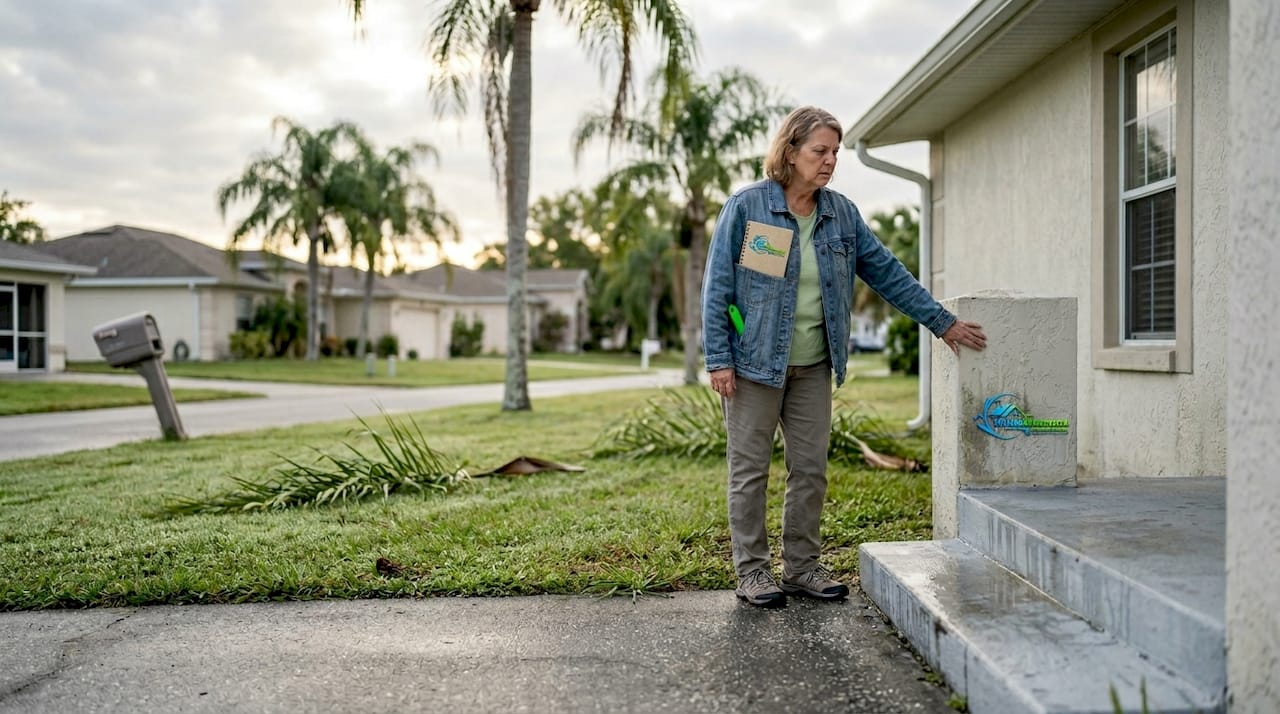
Florida’s mild winters fool a lot of homeowners into thinking their house can take care of itself. It can’t. Citrus County’s combination of humidity, heavy rain, salt air, and relentless heat creates year-round stress on every surface of your home. Maintenance costs are up 42% since 2020, and skipping preventative care only pushes those costs higher. The good news is that smart, consistent exterior protection keeps your home safe, your wallet intact, and your stress level low. This article walks you through what’s really at stake and what to do about it.
Table of Contents
- What damages home exteriors in Citrus County?
- How protection prevents costly damage
- Methods to protect your exterior: What actually works
- Special considerations for older or coastal homes
- Best practices: Scheduling, local timing, and professional help
- Our take: The hidden value of consistent exterior care
- Protect your home exterior—expert help is just a click away
- Frequently asked questions
Key Takeaways
| Point | Details |
|---|---|
| Florida homes face unique threats | Humidity, rain, and salt air make regular exterior protection essential in Citrus County. |
| Prevention saves money | Investing in regular cleaning and sealing costs far less than repairing damage later. |
| Professional help protects value | Experts know how to clean and seal without causing damage, safeguarding your investment and insurance. |
| Older and coastal homes need more care | These properties are more vulnerable to rot, corrosion, and insurance issues from neglect. |
What damages home exteriors in Citrus County?
Citrus County isn’t just warm. It’s a perfect storm of moisture, biology, and weather that quietly attacks your home from every angle. Understanding these threats is the first step toward stopping them.
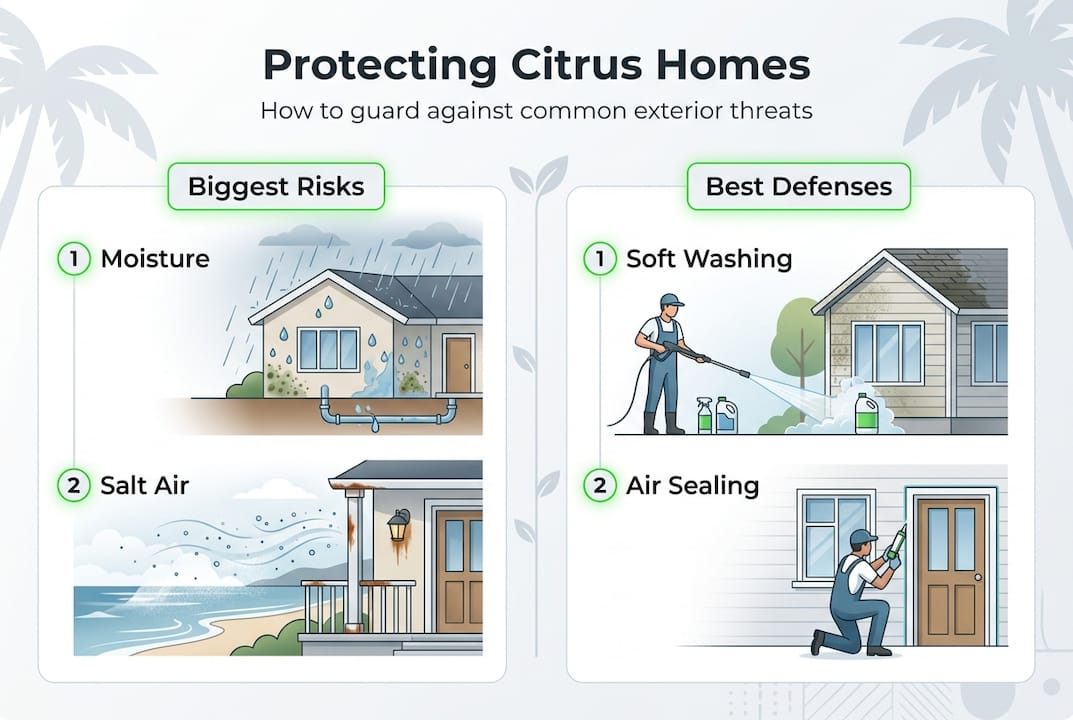
The biggest culprit is moisture. Humidity here rarely drops below uncomfortable levels, and the rainy season dumps inches of water on your roof, walls, and foundation in short bursts. Moisture intrusion leads to wood rot, mold growth, and structural damage that can compromise your home’s integrity over time. Once water finds a crack, a gap around a window frame, or a clogged gutter, it doesn’t stop.
Salt air is another factor many inland residents underestimate. Even properties several miles from the Gulf Coast receive salt-laden breezes that corrode metal fasteners, eat through paint, and weaken siding joints. Combine that with Florida’s intense UV exposure, and your exterior finishes age faster than they would almost anywhere else in the country.
Here are the most common entry points and threats to watch for:
- Cracks in stucco or siding that allow moisture and pests inside
- Clogged gutters that force water back under rooflines and into fascia boards
- Porous concrete on driveways and walkways that absorbs water and grows algae
- Gaps around windows, doors, and utility penetrations that let in both moisture and insects
- Organic buildup on roofs and walls that holds moisture against surfaces
Exterior pest maintenance compounds these risks significantly. Termites, carpenter ants, and other wood-destroying insects exploit the same entry points that moisture does, turning a small crack into a major structural problem.
“Skipping your annual washing schedule in Citrus County isn’t a savings. It’s a down payment on a much bigger repair bill.”
Annual home maintenance costs have increased 42% from 2020 to 2026, which makes knowing the signs your house needs washing more important than ever. Even small areas of neglect escalate quickly in this climate.
How protection prevents costly damage
Now that you know what you’re up against, let’s talk numbers. The financial case for exterior protection in Citrus County is hard to argue with.
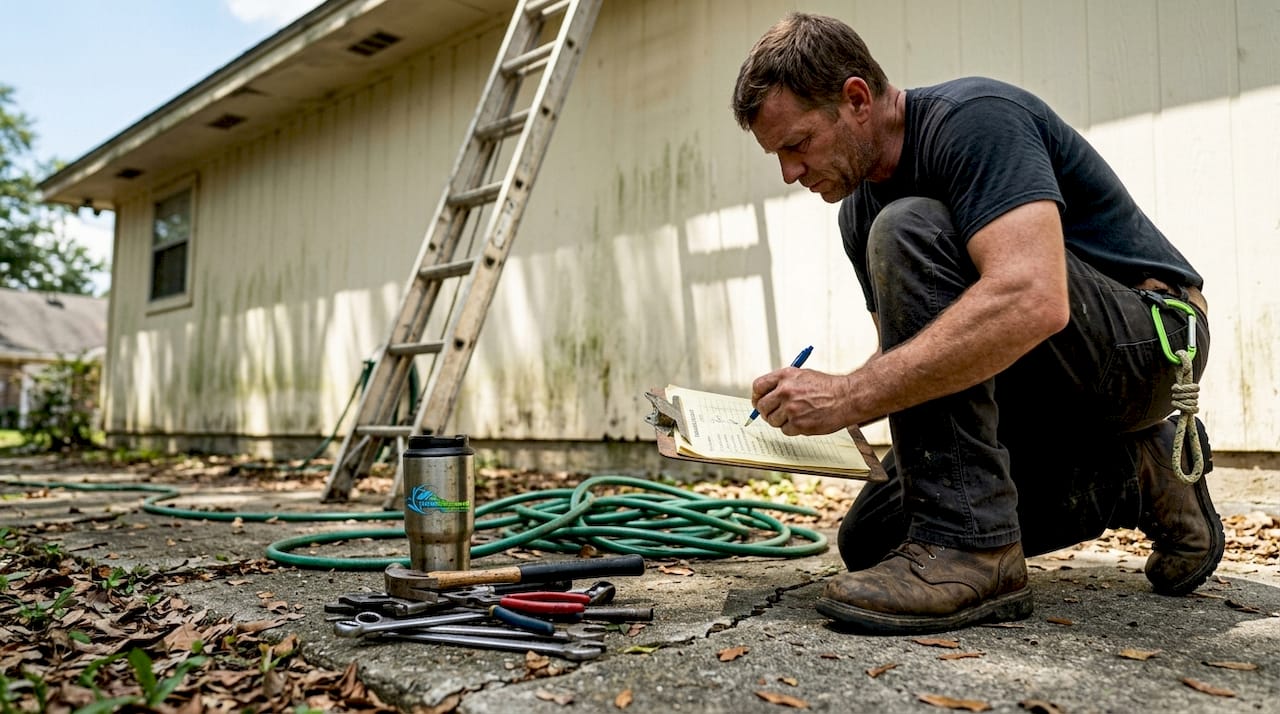
Preventative maintenance reduces major repairs by 30% and extends the life of exterior materials by decades. That means a roof that should last 20 years can push toward 30 with consistent care. Siding that would need replacing in 10 years can go 15. These aren’t small numbers.
| Protection action | Typical cost | Repair cost if skipped |
|---|---|---|
| Annual exterior cleaning | $300 to $500 | $3,000 or more |
| Gutter cleaning and sealing | $150 to $250 | $800 to $2,500 |
| Crack sealing and caulking | $100 to $300 | $1,500 to $5,000 |
| Waterproof coating application | $500 to $1,000 | $4,000 to $10,000 |
Annual exterior cleaning prevents $3,000+ repairs with a $300 to $500 investment. That’s a return most financial advisors would envy.
Here are the key protection strategies that deliver the most value:
- Sealing cracks and gaps before the rainy season to block moisture entry
- Applying waterproof membranes to vulnerable surfaces like flat roofs and concrete
- Keeping gutters clear so water flows away from the foundation
- Scheduling regular professional cleaning to remove mold, algae, and organic buildup
- Repainting or resealing exterior surfaces on a planned cycle
Pro Tip: Regular soft washing by a professional outperforms DIY cleaning in humid climates like Citrus County’s. The right detergent mix kills mold spores at the root rather than just rinsing them off the surface. When you invest in exterior cleaning now, you protect both your home and its pressure washing and property value for years ahead.
Methods to protect your exterior: What actually works
Knowing the value of protection is one thing. Knowing which methods actually deliver results in Citrus County’s climate is another.
Effective methods include waterproof membranes, air sealing, and regular professional washing. Not every method works equally well here. High-pressure washing, for example, can strip paint, force water behind siding, and damage soft materials like wood and older stucco. Soft washing is safer for most surfaces and is the recommended approach for humid areas like ours.
Here’s a practical seasonal maintenance routine built for Citrus County:
- February to March: Inspect the full exterior for cracks, peeling paint, and rust. Seal any gaps before the rainy season begins.
- April to May: Schedule professional soft washing for the roof, walls, and driveway. Clear gutters and downspouts.
- June: Check window and door seals. Apply fresh caulk where needed. Confirm drainage is flowing away from the foundation.
- September to October: Post-storm inspection. Look for lifted shingles, new cracks, and debris buildup in gutters.
- December: Year-end check on paint condition, sealant integrity, and any pest activity around the foundation.
Understanding soft washing vs power washing helps you make the right call for each surface. Power washing works well on concrete. Soft washing is the right choice for roofs, painted siding, and wood. Using the wrong method is one of the most common pressure washing mistakes homeowners make.
Air sealing exterior walls also plays a bigger role than most people realize. It reduces moisture infiltration and improves energy efficiency at the same time, making it one of the smartest investments for Florida homes.
Special considerations for older or coastal homes
If your home was built before 1990 or sits within a few miles of the coast, the stakes are higher and the maintenance calendar needs to be tighter.
Older homes carry specific risks that newer construction doesn’t:
- Aging siding materials like wood lap or older vinyl that have lost their protective coatings
- Outdated insulation that absorbs moisture and loses its effectiveness
- Original paint formulas that don’t contain modern mold inhibitors
- More penetrations and gaps from decades of repairs, additions, and utility upgrades
- Older gutters made from materials more vulnerable to corrosion
Coastal salt air accelerates rust and corrosion on metal gutters, fasteners, and window frames. Homes within five miles of the Gulf can see metal components degrade two to three times faster than those further inland. That’s not a small difference.
Older homes face higher risk of water intrusion and expensive first-year repairs, and neglected maintenance can void insurance claims or manufacturer warranties on roofing and siding materials. That’s a risk most homeowners don’t think about until it’s too late.
Pro Tip: Before hurricane season, walk the full perimeter of your home at ground level and look up. Check for lifted or missing caulk, discoloration on siding, and any rust streaking from metal fixtures. Catching these early costs almost nothing to fix. Ignoring them through a storm season can mean serious structural damage.
Working with licensed pressure washing professionals matters even more for older homes, where the wrong technique can do more harm than good. Pairing that with a seasonal pest control checklist gives you full coverage against the compounding threats of moisture and insects.
Best practices: Scheduling, local timing, and professional help
For Citrus County homeowners and property managers, timing your exterior maintenance isn’t just a good idea. It’s the difference between staying ahead of damage and chasing it.
Cleaning every 6 to 12 months, ideally before Florida’s rainy season, prevents algae, mold, and foundation damage from taking hold. Here’s a simple action plan:
- January: Review last year’s maintenance records. Schedule spring cleaning appointments early before pros book up.
- March to April: Complete exterior wash, gutter flush, and crack sealing before May rains arrive.
- June: Verify all drainage systems are clear. Do a quick visual check after the first heavy rain.
- August: Mid-season check for algae growth on the north side of the house and roof.
- November: Final wash of the year to remove summer buildup before cooler, drier months.
“Proactive cleaning outweighs reactive repair costs every single time. The homeowners who call us after a problem always wish they’d called before it.”
DIY pressure washing often causes hidden damage, including forced water infiltration behind siding and stripped surface coatings. Soft washing by professionals is safer and more effective for most surfaces. Knowing when to call a pro is part of smart maintenance. Use the spring cleaning exterior tips to handle the basics yourself, and rely on professional pressure washing for roofs, second stories, and anything involving mold or significant buildup.
Our take: The hidden value of consistent exterior care
Most people think exterior cleaning is about curb appeal. It isn’t. Or at least, that’s the smallest part of the picture.
What we’ve seen working with Citrus County homes year after year is that exterior care is really asset risk management. Your home is likely your largest financial asset. Every crack left unsealed, every gutter left clogged, and every algae bloom left to grow is a direct threat to that asset’s value and structural integrity.
The homeowners who treat exterior maintenance as optional are the same ones who face insurance disputes after storm damage because they can’t prove the home was properly maintained. They’re the ones who lose thousands in resale value because a buyer’s inspector finds years of deferred care. And they’re the ones who pay three to five times more to fix a problem than it would have cost to prevent it.
When you invest in exterior cleaning consistently, you’re not just keeping things looking nice. You’re protecting your insurance coverage, your resale position, and your daily peace of mind. That’s a return on investment most people never put into words, but every experienced homeowner eventually understands.
Protect your home exterior—expert help is just a click away
You now have a clear picture of what threatens your home and what to do about it. The next step is putting that knowledge into action with a team that knows Citrus County’s climate inside and out.

White Diamond Pressure Washing specializes in exterior cleaning solutions built specifically for local conditions. From preventative exterior cleaning plans to full-service soft washing, every recommendation is tailored to your home’s materials, age, and exposure. Whether you’re a homeowner preparing for rainy season or a property manager keeping multiple units in top shape, we make the process simple. Explore the benefits of exterior cleaning and book a free estimate today. Protecting your home starts with one conversation.
Frequently asked questions
How often should you clean your home’s exterior in Citrus County?
Most homes in Citrus County need exterior cleaning every 6 to 12 months. Annual cleaning in humid Florida prevents mold, algae, and the kind of buildup that leads to costly structural repairs.
What are signs my home exterior needs protection right now?
Look for algae streaks, peeling paint, rusted gutters, cracking stucco, or musty odors near walls. Small cracks and clogged gutters rapidly lead to expensive repairs if left unaddressed.
Is professional soft washing really safer than DIY pressure washing?
Yes. Professional soft washing uses lower pressure and the right detergents to remove mold without damaging surfaces. Soft washing is recommended for humid climates and avoids the surface damage that high-pressure DIY methods often cause.
Does exterior protection affect home insurance or resale value?
Absolutely. Neglect can void insurance claims and manufacturer warranties, and it directly lowers your property’s value when buyers and inspectors find evidence of deferred maintenance.
Recommended
- Why Invest in Exterior Cleaning for Citrus County Homes – white-diamond-pressure
- 10 home exterior maintenance tips to protect value in 2026 – white-diamond-pressure
- Why gutter cleaning matters for Citrus County homes 2026 – white-diamond-pressure
- Why licensed cleaning pros matter for Citrus County homes – white-diamond-pressure
- Exterior Shutters Overview 2025: Styles, Materials & Value for Homes | Shutter World