

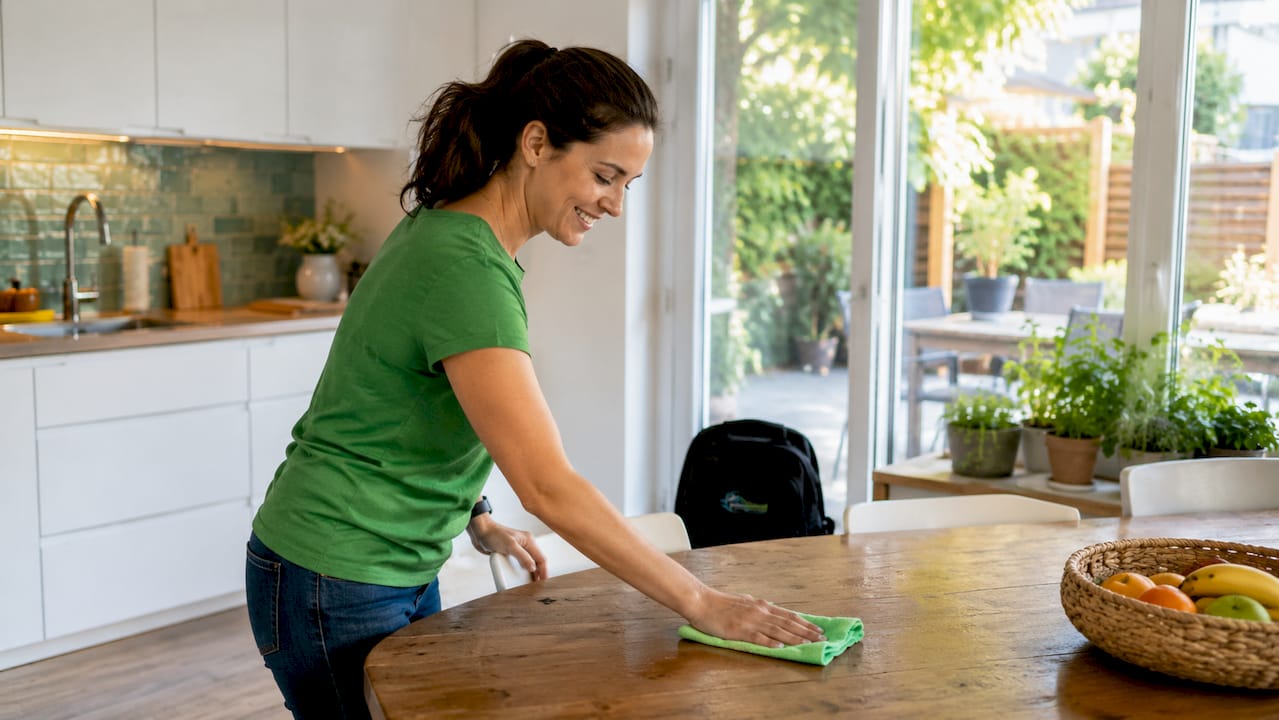
TL;DR:
- Effective cleaning methods focus on top-to-bottom order, high-impact surfaces, and short daily routines to save time. Using proper tools like microfiber cloths and rubber gloves enhances efficiency, while strategies such as dwell time and chore stacking reduce overall effort. Establishing a structured schedule and adopting consistent habits prevent buildup and minimize deep cleaning needs over time.
Time-saving cleaning hacks are practical techniques that cut effort and time while keeping your home visibly clean and healthy. Professional cleaners and researchers at the American Cleaning Institute (ACI) confirm that systematic cleaning methods reduce total cleaning time by 20–30% compared to random, room-by-room approaches. The right shortcuts, tools like microfiber cloths and Magic Erasers, and strategies like chore stacking can transform a two-hour weekend ordeal into a manageable daily habit. This listicle covers the most effective, research-backed cleaning shortcuts for homeowners who want results without burning their free time.
1. the top time-saving cleaning hacks for busy homeowners
The most effective cleaning shortcuts share one trait: they target high-impact areas first and eliminate wasted motion. Here are 10 proven hacks that deliver the biggest return on your cleaning time.
Always clean top to bottom, corner to corner
Top-to-bottom cleaning reduces total cleaning time by an estimated 20–30%. Dust and debris fall downward, so cleaning ceilings, shelves, and counters before floors means you never re-clean a surface. Start at the far corner of a room and work toward the door. This single habit eliminates the most common source of duplicate effort.
Focus on countertops, floors, and mirrors first
Cleaning countertops, floors, and mirrors can make a home appear professionally cleaned in under 10 minutes. These three surfaces carry the most visual weight in any room. When guests walk in, they read these surfaces first. Prioritizing them gives you maximum perceived cleanliness for minimum time invested.
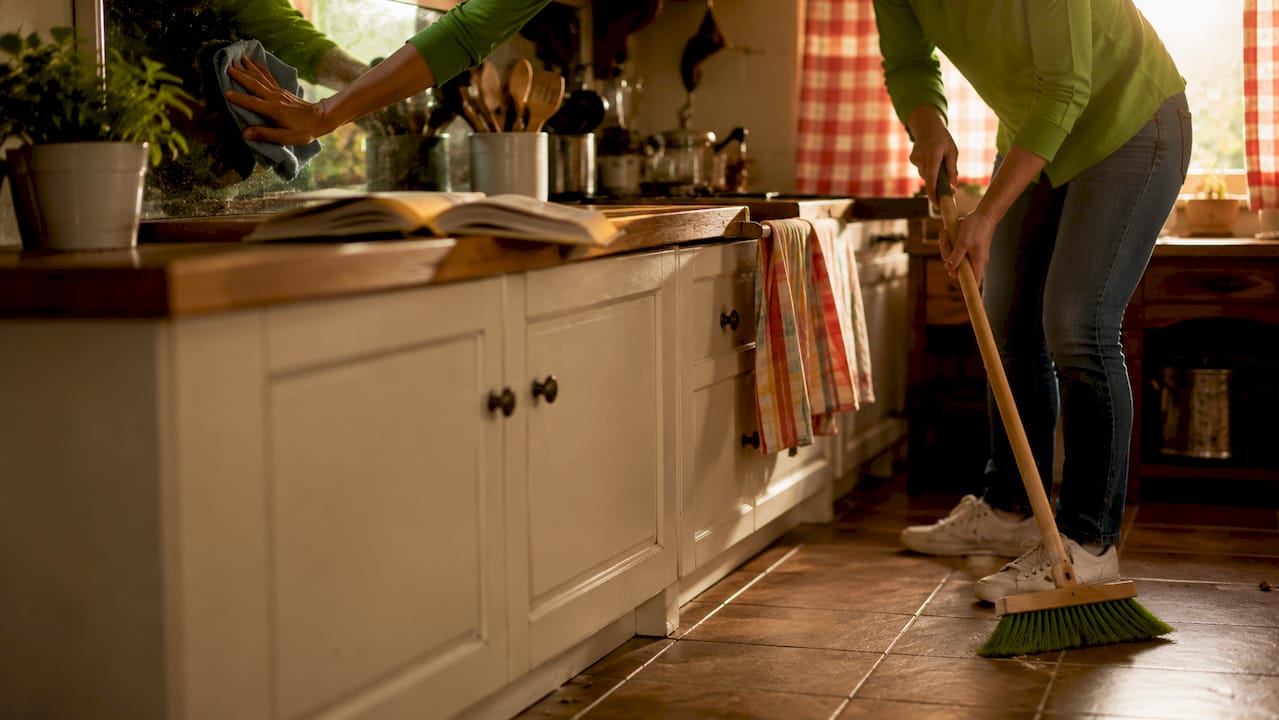
Use 15-minute daily cleaning bursts
A 15-minute daily cleaning burst prevents the need for major weekend deep-cleaning sessions. Set a timer, pick one zone, and work until it goes off. The psychological boundary of a timer makes starting easier and stopping guilt-free. Over a week, those bursts add up to a consistently clean home without a single exhausting marathon session.
Pro Tip: Pick the same time each day for your 15-minute burst, right after dinner or before your morning coffee. Consistency turns it into a habit faster than motivation alone ever will.
Apply the quick reset basket method
The quick reset basket method restores room cleanliness visually in under 5 minutes by collecting clutter into a single container. Grab a laundry basket or tote, sweep through the main living areas, and drop anything out of place into it. Deal with the basket contents later. This trick is especially useful before guests arrive or at the end of a long day.
Steam clean your microwave with lemon water
Fill a microwave-safe bowl with water and a few lemon slices, then run it on high for three minutes. The steam loosens baked-on food and grease so you can wipe the interior clean with a single paper towel. No scrubbing, no chemical sprays. This is one of the fastest kitchen cleaning shortcuts available, and it leaves the microwave smelling fresh.
Use rubber gloves for pet hair removal
Rubber gloves remove pet hair from upholstery faster than many specialized vacuums. Dampen the gloves slightly, run your hands over fabric surfaces, and the hair clumps together for easy pickup. A pair of standard dish gloves from any grocery store works perfectly. This approach saves both time and the hassle of pulling out a vacuum for a quick touch-up.
Stack chores with daily tasks
Chore stacking converts cleaning into a routine habit by pairing it with tasks you already do. Wipe down the stovetop while waiting for coffee to brew. Squeegee the shower glass right after you step out. Spray the bathroom mirror while your toothbrush timer runs. Each of these takes under 60 seconds and prevents buildup that would otherwise require 20 minutes to tackle later.
Wipe down shower surfaces daily
Daily wiping of shower surfaces after use prevents soap scum and mildew buildup, reducing overall cleaning time significantly. Keep a small squeegee or microfiber cloth hanging inside the shower. A 30-second wipe after each use means you may only need a deep shower clean once a month instead of weekly.
Use magic erasers on baseboards
Magic Erasers cut baseboard cleaning time dramatically compared to traditional scrubbing with a brush and bucket. Slightly dampen the eraser and run it along the baseboard in one pass. Scuffs, dirt, and grime lift without any chemical spray or kneeling for extended periods. Expert cleaners regularly recommend Magic Erasers as one of the fastest non-traditional tools for this specific task.
Let cleaners dwell before wiping
The dwell time principle means spraying a cleaner and letting it sit for 2–5 minutes before wiping. This loosens grime so it wipes away without scrubbing. Spray your toilet bowl, bathroom tiles, or kitchen sink, then move on to another task. Come back and wipe. You do two jobs in the time it would normally take to do one.
2. how to schedule cleaning for maximum time efficiency
A cleaning schedule is the backbone of effortless house cleaning. Without one, you default to reactive cleaning, which always takes longer.
- Assign tasks to specific days. Monday handles bathrooms, Wednesday covers floors, Friday resets the kitchen. This prevents any single day from becoming overwhelming and keeps the home consistently clean.
- Commit to a daily time block. Even 10–15 minutes at a consistent time each day builds the habit faster than sporadic long sessions. Real cleaning schedules that work follow this pattern consistently.
- Use a timer without exception. A timer removes the open-ended dread of cleaning. You know exactly when it ends, which makes starting much easier.
- Reserve deep cleans for monthly tasks. Ovens, refrigerators, and window tracks do not need weekly attention. Scheduling them monthly keeps your weekly load light.
- Review and adjust every 30 days. A schedule that does not fit your actual life will be abandoned. Adjust task frequency based on what actually gets dirty in your home.
Pro Tip: Write your cleaning schedule on a whiteboard or use a free app like Tody or OurHome. Seeing tasks checked off provides a small but real motivational reward that keeps the habit going.
Integrating cleaning into everyday life makes it sustainable and less stressful. The goal is not a spotless home at all times. The goal is a home that never gets so dirty that cleaning feels like a punishment.
3. what cleaning tools deliver the best time savings?
The right tool cuts cleaning time more than any technique. Here is a direct comparison of the most effective options for busy homeowners.
| Tool | Best Use | Time Advantage |
|---|---|---|
| Microfiber cloths | Dusting, glass, counters | Traps dust without sprays; one pass cleans |
| Magic Eraser | Baseboards, scuffs, grout | No scrubbing; lifts grime in one wipe |
| Rubber gloves | Pet hair on upholstery | Faster than vacuuming for spot removal |
| Squeegee | Shower glass, mirrors | 30-second daily wipe prevents buildup |
| White vinegar spray | Multi-surface disinfecting | Replaces multiple single-purpose sprays |
| Steam cleaner | Tile, grout, microwave | Heat loosens grime; no chemical dwell time needed |
Microfiber cloths are the single most versatile tool in this list. They clean glass, dust shelves, and wipe counters without any spray product, which removes one step from every task. White vinegar diluted with water in a spray bottle replaces glass cleaner, all-purpose cleaner, and mild disinfectant in a single product. That consolidation alone cuts the time you spend switching between products. For energy-efficient cleaning solutions that work on multiple surfaces, vinegar and steam are the two best options available.
4. cleaning shortcuts that waste more time than they save
Not every quick fix is a genuine shortcut. Some common mistakes create more work, not less.
- Spray and wipe without dwell time. Wiping a surface immediately after spraying means the cleaner has not had time to break down grime. You end up scrubbing harder and often re-spraying. Pretreating stains and allowing dwell time reduces manual labor every time.
- Skipping the top-to-bottom order. Cleaning floors before dusting shelves means dust falls onto your clean floor. You clean the floor twice. This is the most common time-wasting mistake in home cleaning.
- Cleaning around clutter. Wiping a counter covered in mail, dishes, and random objects takes three times longer than clearing the surface first. Always remove clutter before you clean the surface beneath it.
- Rushing scrubbing without pretreatment. Aggressive scrubbing on dry grime damages surfaces and rarely works. A 2-minute soak with a cleaner does more than 10 minutes of dry scrubbing.
- Using the wrong tool for the job. A paper towel on a dusty shelf just moves dust around. A microfiber cloth captures it. Using the wrong tool means repeating the task, which defeats the purpose of any cleaning shortcut.
Visual reset triggers like fluffing sofa cushions and cleaning glass create a perception of a finished clean. These are legitimate shortcuts. But skipping foundational steps like dwell time and cleaning order creates the illusion of efficiency while actually adding time to your total effort.
Key takeaways
The most effective approach to effortless house cleaning is combining systematic order, the right tools, and short daily habits rather than relying on any single trick.
| Point | Details |
|---|---|
| Clean top to bottom always | This single habit eliminates duplicate effort and cuts total cleaning time by 20–30%. |
| Prioritize high-impact surfaces | Countertops, floors, and mirrors deliver the fastest visible improvement per minute spent. |
| Use 15-minute daily bursts | Short consistent sessions prevent deep-clean overload and build sustainable cleaning habits. |
| Let cleaners dwell before wiping | Spray first, do another task, then wipe. Dwell time eliminates most scrubbing. |
| Match tools to tasks | Microfiber cloths, Magic Erasers, and rubber gloves outperform generic tools for specific jobs. |
What i’ve learned after years of watching homes get cleaned
Most people treat cleaning as an event. They wait until the home is noticeably dirty, then spend a full Saturday catching up. That model is exhausting, and it never actually works long-term.
What I have seen consistently is that the homeowners with the cleanest homes spend the least time cleaning in any single session. They wipe the stovetop while the coffee brews. They squeegee the shower before they reach for a towel. They spend 10 minutes before bed doing a reset, not a deep clean. The home never gets bad enough to require a marathon.
The hacks in this article are not magic. They are habits dressed up as shortcuts. The 15-minute burst works because it is repeatable. The dwell time principle works because chemistry does the labor instead of your arm. The top-to-bottom order works because it removes the need to think about what to clean next.
My honest advice: pick two or three of these methods and practice them for two weeks before adding more. Trying to change your entire cleaning routine at once is how people end up back on the couch watching their dirty kitchen from across the room. Start with the reset basket and the 15-minute timer. Those two alone will change how your home feels within a week.
— Bobby
Let Whitediamondpressurewashing handle what you cannot reach
Interior cleaning shortcuts save you real time every week. But your home’s exterior, the driveway, roof, walkways, and siding, collects grime, mold, and algae that no microfiber cloth will touch. That buildup does not just look bad. It shortens the life of your surfaces and lowers your property’s curb appeal.

Whitediamondpressurewashing specializes in professional exterior cleaning for residential properties across Citrus County and surrounding areas. Using soft washing and low-pressure techniques, the team removes years of buildup from roofs, driveways, and house exteriors without damaging materials. You handle the inside. Let Whitediamondpressurewashing handle the outside. Visit Whitediamondpressurewashing to get your free estimate today.
FAQ
What are the most effective time-saving cleaning hacks?
The top methods are top-to-bottom cleaning order, 15-minute daily bursts, and the dwell time principle. These three approaches eliminate duplicate effort, prevent buildup, and reduce scrubbing time across every surface in your home.
How do i clean my home efficiently in under 30 minutes?
Focus on countertops, floors, and mirrors first, use the quick reset basket for clutter, and apply cleaners before moving to the next task so they dwell while you work. These high-impact cleaning tasks deliver the most visible results in the shortest time.
What is the best tool for quick pet hair removal?
Rubber gloves dampened slightly and run over upholstery remove pet hair faster than most vacuums for spot cleaning. This non-traditional method takes under two minutes and requires no equipment setup.
How often should i do a deep clean if i use daily shortcuts?
With consistent daily habits like chore stacking and nightly resets, most homeowners only need a full deep clean once a month. Daily wiping of surfaces like shower walls and stovetops prevents the buildup that makes deep cleans necessary.
Does a cleaning schedule actually save time?
A structured schedule reduces total weekly cleaning time by preventing any single session from becoming overwhelming. Assigning specific tasks to specific days keeps the workload predictable and manageable throughout the week.