

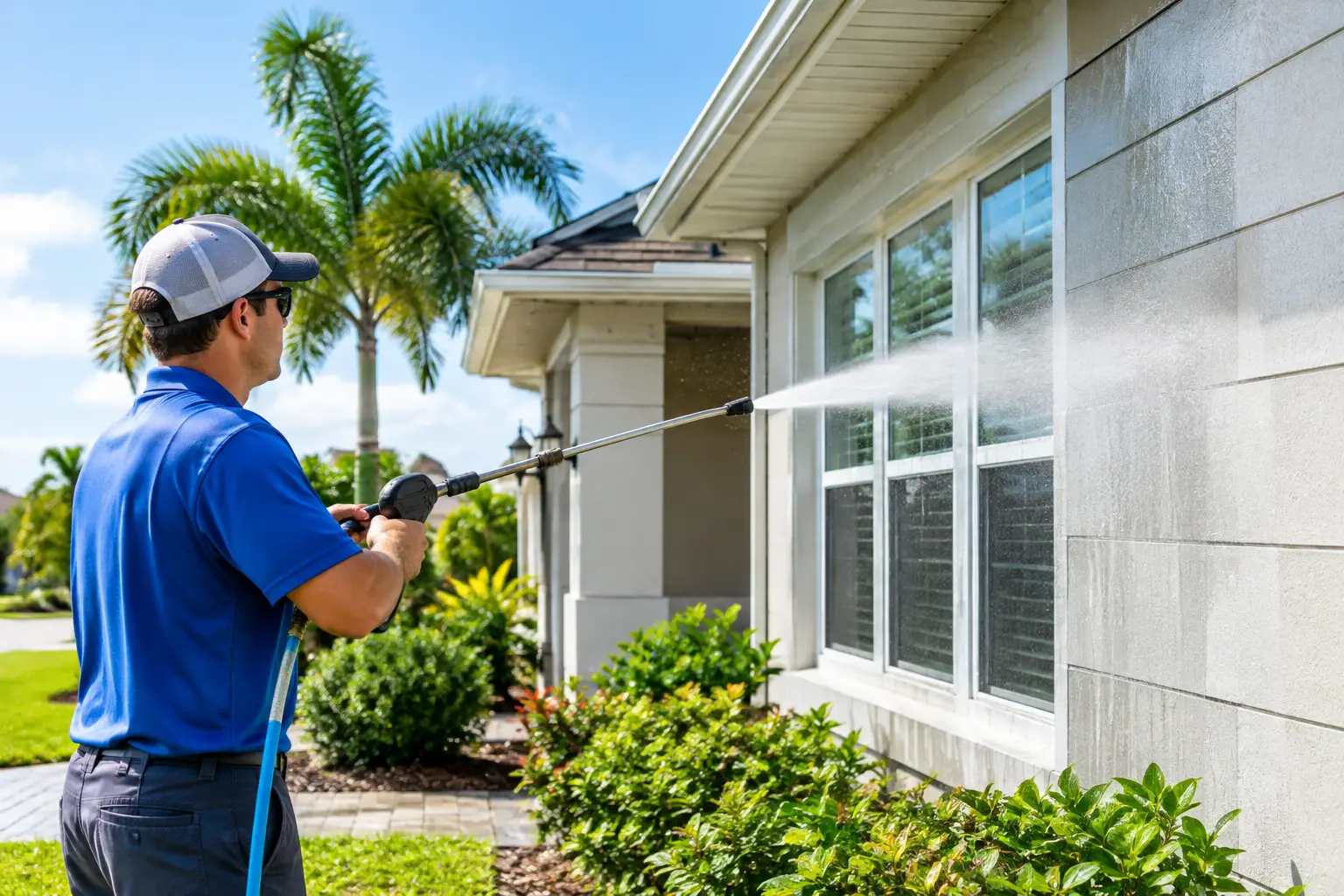
A green film on the shaded side of your home is not just a cosmetic problem. In Florida’s heat and humidity, algae, mildew, and airborne grime can quickly spread across siding, soffits, trim, gutters, and painted surfaces. Low pressure house washing Florida homeowners choose is designed to remove that buildup without treating every part of the house like a concrete driveway.
For homes in Homosassa, Citrus County, and nearby communities, the right cleaning method makes a visible difference and helps protect the materials you have already invested in. A careful wash can revive faded-looking exterior surfaces, brighten the entryway, and leave your home shining like a diamond without the risks that come with excessive pressure.
Why Florida Homes Get Dirty So Quickly
Florida weather gives organic growth exactly what it wants: warmth, moisture, shade, and plenty of time to settle in. Morning dew, summer rain, coastal air, tree cover, and high humidity can leave exterior walls damp long enough for algae and mildew to grow. Pollen, dust, insect residue, and irrigation overspray add another layer of staining.
Vinyl siding may develop green streaks near landscaping or under rooflines. Painted stucco can look dull, blotchy, or gray. Fascia, soffits, and gutters often collect dark lines that make an otherwise well-kept house appear neglected. These issues can show up gradually, so homeowners sometimes do not notice how much the exterior has changed until they see a clean section beside an unwashed one.
Regular professional cleaning is not about chasing a perfect appearance every week. It is practical maintenance. Removing growth before it becomes heavy can help preserve paint, keep surfaces looking cared for, and reduce the need for more aggressive cleaning later.
What Low-Pressure House Washing Does Differently
The name can be confusing because professional house washing still uses water. The difference is how that water is applied and what does the actual cleaning. A low-pressure process uses specialized equipment to apply an appropriate cleaning solution and rinse the surface gently. The solution is selected to break down algae, mildew, dirt, and organic staining so force does not have to do all the work.
This approach matters because house exteriors are made of materials with different limits. Siding panels, painted trim, window seals, soffits, exterior fixtures, and caulk lines are not designed to take the same treatment as a driveway. Too much pressure can force water behind siding, strip paint, scar softer materials, disturb seals, or leave uneven marks.
A professional evaluates the surface before work begins. That includes noting the type and condition of the siding, existing paint wear, nearby plants, exterior outlets, windows, and areas where water should be directed carefully. Low pressure is not a shortcut. It is a surface-appropriate method that relies on preparation, correct cleaning agents, thorough rinsing, and attention to detail.
Cleaning Solutions Do the Heavy Work
When algae and mildew are present, plain water may rinse away loose dirt but leave the source of discoloration behind. Approved cleaning agents are used to treat the growth at its root, then the area is rinsed properly. That is why a professional wash typically lasts longer and looks more even than a quick rinse from a homeowner-grade machine.
The product and strength should fit the material and the job. A lightly dusty wall does not need the same treatment as a heavily shaded surface with years of green growth. Careful adjustment is part of protecting the home while delivering a noticeable before-and-after result.
Landscaping Should Be Part of the Plan
Plants, grass, and decorative beds deserve attention before cleaning starts. A careful crew prepares the work area, wets vegetation as needed, manages runoff, and rinses plants during and after the wash. Outdoor furniture, delicate decor, and items near the walls should also be moved or protected when appropriate.
No exterior cleaning project is completely identical, especially on properties with dense landscaping or limited access. A written estimate and walk-around help set clear expectations before the first hose is connected.
Where Low-Pressure Washing Makes Sense
Low pressure is generally the preferred approach for many residential exterior surfaces, including vinyl siding, painted stucco, Hardie-style siding, trim, soffits, gutters, and certain exterior finishes. It is also useful for cleaning the outside of screened lanais and pool cage frames when the material needs a gentler touch.
That does not mean every surface receives the same method. Concrete driveways and walkways often need a separate, controlled pressure-cleaning process because their durable, porous surface holds deeply embedded dirt and slippery organic growth. Roofs require even more specialized care. Rather than blasting shingles or tile with high pressure, professional roof cleaning should use a low-pressure soft-wash approach and manufacturer-endorsed cleaning agents.
The goal is simple: use enough cleaning power to remove the problem, but never more force than the surface can safely handle.
Signs It Is Time to Schedule House Washing
Waiting until the house looks severely stained can make the job harder than it needs to be. A professional cleaning is worth considering when green or black growth is visible on walls, gutters, soffits, or trim; when shaded areas look noticeably darker than sunny areas; or when the home no longer looks as bright as it did after painting.
It can also be a smart step before listing a home, hosting family, returning to a seasonal property, or finishing storm cleanup. Exterior cleaning gives curb appeal an immediate lift, and it often reveals the true condition of the paint and surfaces underneath the grime.
Many Florida homes benefit from an annual wash, though the right schedule depends on shade, nearby trees, irrigation, roof runoff, and how quickly algae returns. Homes near heavy vegetation or water may need attention more often. A professional can give a realistic recommendation instead of pushing a one-size-fits-all schedule.
Why DIY Pressure Washing Can Create Expensive Problems
Renting a pressure washer may seem like the affordable answer, but the machine itself is only part of the job. Using the wrong nozzle, standing too close, or holding the spray in one spot can damage exterior finishes in seconds. Water can be driven into places it does not belong, including behind siding, through aging seals, and around vents or fixtures.
There is also the challenge of handling cleaning solutions safely. A product that works well on one material may not be suitable for another. Without proper application, dwell time, rinsing, and plant protection, the result can be uneven cleaning, streaking, or stressed landscaping.
For homeowners who value their time, a professional service provides more than equipment. It provides a trained eye for material differences, careful setup, and a consistent process from the first wall to the final rinse.
What a Careful Service Visit Should Look Like
A dependable exterior-cleaning visit begins with communication. You should know what surfaces are being cleaned, what the estimate includes, and whether there are areas that need special consideration. The technician should arrive prepared, inspect the work area, and take reasonable steps to protect landscaping and exterior features.
During the wash, the work should be methodical rather than rushed. Cleaning from the appropriate angles helps prevent streaks and keeps water where it belongs. Tough areas around gutters, eaves, and shaded walls may need extra attention, while fragile or worn sections should be handled with added care.
When the work is complete, the difference should be easy to see. White Diamond Pressure Washing brings this owner-led attention to homes throughout the local area, with the goal of leaving each property cleaner, brighter, and treated with respect.
Low Pressure House Washing Florida Homeowners Can Rely On
Choosing low pressure house washing in Florida is a decision to care for your home’s exterior, not simply make it look cleaner for a day. The best results come from matching the method to the material, treating organic growth properly, and protecting the details around the work area.
Take a look at the shaded walls, gutters, soffits, and trim the next time you walk up to your home. If they are beginning to lose their clean appearance, addressing the buildup now can make the next season of Florida weather a little easier on your property.