

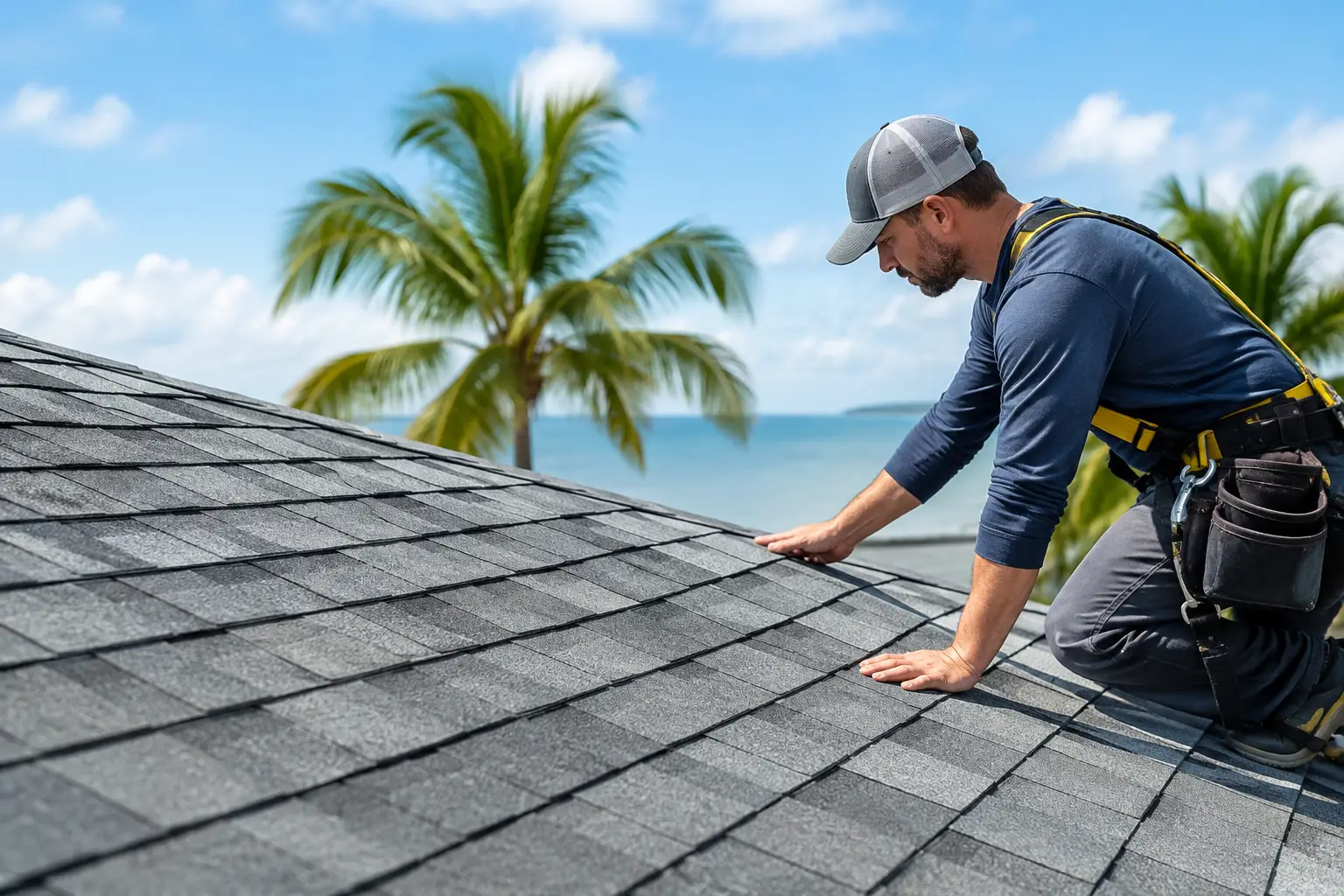
A roof can look fine from the driveway while algae is quietly holding moisture against the shingles. In Citrus County, dark roof streaks often spread quickly through humid months, and the best ways to protect shingles start with addressing that growth before it becomes a larger maintenance issue. The goal is not simply a brighter roof. It is preserving the protective surface that keeps your home dry, comfortable, and looking cared for.
The Best Ways to Protect Shingles Start With Gentle Care
Asphalt shingles are designed to shed water, but they are not built to withstand every cleaning method. Their outer layer contains protective mineral granules that help reflect sunlight, resist weather, and support the shingle’s long-term performance. Aggressive pressure can loosen those granules, lift shingle edges, and force water where it does not belong.
That is why roof care should always match the material. A low-pressure roof cleaning method uses specialized equipment and manufacturer-endorsed cleaning agents to treat algae, mildew, and organic staining without blasting the roof surface. The cleaning solution does the work, while low-pressure application protects the shingles themselves.
A roof may not return to its final color the second the treatment is applied. Some dead organic growth can gradually release with rainfall after cleaning. That is normal and is far safer than trying to scrub or pressure-wash every stain away in one visit.
Stop Algae Before It Spreads Across the Roof
Florida’s warmth and humidity create ideal conditions for algae. The familiar black streaks seen on many roofs are often algae growth, not dirt. It commonly begins on shaded areas or roof sections that stay damp longer, then expands across the shingles as spores spread.
Leaving algae in place does more than affect curb appeal. It can retain moisture and keep parts of the roof from drying as quickly after rain or morning dew. That added moisture is especially unwelcome around aging shingles, valleys, and areas under overhanging trees.
Professional soft washing removes the growth at its source instead of just rinsing the visible stain. This helps revive the roof’s appearance while reducing the conditions that allow grime and biological growth to build back up. The right maintenance interval depends on shade, tree cover, roof age, drainage, and how quickly staining returns. For many Central Florida homes, checking the roof annually is a practical starting point.
Keep Gutters and Roof Edges Clear
A clean roof depends on good water flow. When gutters fill with leaves, pine needles, seed pods, or roof grit, rainwater can back up along the roof edge. That standing water can soak fascia boards, encourage mildew, and create conditions that shorten the life of materials near the eaves.
Gutter cleaning matters most before and during the rainy season, after major storms, and whenever water spills over the sides during a normal rain. Homeowners should also look for sagging gutters, loose downspouts, and areas where water pools near the foundation.
The roof edge deserves attention as well. Leaves trapped behind a gutter or in a roof valley can act like a wet sponge. Removing debris carefully helps the roof drain as intended. If the roof is steep, high, or difficult to access, it is safer to leave this work to a qualified professional rather than walking on the shingles.
Trim Back Branches Without Stripping Away Needed Shade
Tree limbs rubbing against a roof can scrape shingles and wear down their protective surface over time. Branches also drop leaves and create shade that slows drying after rain. Trimming limbs back from the roof reduces those risks and gives squirrels and other animals fewer easy paths onto the home.
There is a reasonable balance to strike. Healthy trees provide valuable shade around a Florida property, and cutting them back excessively can expose the home and landscaping to more heat. The goal is clearance around the roof, especially above valleys and near gutters, not removing every tree nearby.
After trimming, pay attention to the branches that remain. A limb that sways onto the roof during wind can still cause damage even if it looks clear on a calm day. A qualified tree professional can help with large limbs near power lines or difficult rooflines.
Inspect After Heavy Rain and Storms
Wind-driven rain and storm debris can turn a minor roof concern into a leak. After a strong storm, a ground-level inspection can reveal a lot. Look for fallen limbs, displaced shingles, fresh debris in valleys, bent gutters, or areas that suddenly appear darker or damaged.
Indoors, check ceilings, attic spaces, and exterior walls for new water marks or musty odors. Small leaks are often easier and less expensive to repair when found early. If you see a concern, take a few photos from a safe location and arrange for a roofing professional to assess it.
Avoid the temptation to climb onto the roof right after a storm. Wet shingles are slippery, and walking on them can cause damage or injury. A careful visual check from the ground, binoculars, or a professional inspection is the better choice.
Do Not Treat Every Dark Mark as a Cleaning Problem
Not all roof discoloration is algae. Some color variation comes from aging, granule loss, storm impact, rust from nearby metal components, or uneven weathering. Cleaning can restore a roof affected by organic growth, but it cannot repair cracked, curling, missing, or worn-out shingles.
This distinction protects homeowners from spending money on the wrong solution. If a roof is near the end of its service life, cleaning may improve appearance but should not be used to hide damage or delay needed repairs. A reputable exterior-cleaning professional will be clear about what cleaning can accomplish and when a roofer should be involved.
Watch for granules collecting heavily in gutters, exposed fiberglass matting, curled corners, or repeated leaks. Those are repair or replacement conversations, not routine washing concerns.
Protect Landscaping During Roof Maintenance
Roof cleaning should improve your property without creating problems below the roofline. Plants, grass, painted surfaces, pool cages, and outdoor furniture all need preparation and protection before cleaning begins. A careful crew pre-wets and rinses landscaping, manages runoff, and uses the appropriate approach for the home’s roof material and surrounding surfaces.
Homeowners can help by moving delicate patio items, covering or relocating anything that should stay dry, and mentioning sensitive plants before service begins. Good communication matters, particularly when a roof has extensive landscaping, a screened lanai, or a pool area directly below it.
White Diamond Pressure Washing approaches roof cleaning with low-pressure methods and careful site preparation so homeowners can enjoy dramatic before-and-after results without sacrificing the materials and landscaping they value.
Maintain the Whole Exterior, Not Just the Roof
Roof stains often stand out more when soffits, gutters, siding, driveways, and walkways have their own buildup of mildew and grime. Keeping the exterior maintained as a whole makes it easier to spot new roof issues and helps prevent algae from collecting in nearby damp areas.
Concrete surfaces deserve attention too. Algae on a walkway or driveway is not only unattractive. It can become slick when wet. Cleaning and, where appropriate, sealing concrete helps preserve a more polished appearance around the home while making outdoor areas safer to use.
Coordinate exterior cleaning around the seasons, your property’s shade patterns, and upcoming events. A home being prepared for guests, a sale, or seasonal arrival benefits from a clean, consistent appearance, but routine care is what protects materials over the long run.
Choose Care Over Quick Results
The fastest-looking method is not always the best method for shingles. High pressure may make a roof appear clean immediately, but the damage it can cause may not be as obvious until later. Gentle, surface-appropriate cleaning, clear drainage, tree management, and timely inspections are the practical habits that give shingles their best chance at a long service life.
A roof protects everything beneath it. Treating it with patience and the right method helps keep your home shining like a diamond long after the black streaks are gone.
One thought on “Best Ways to Protect Shingles in Florida”