

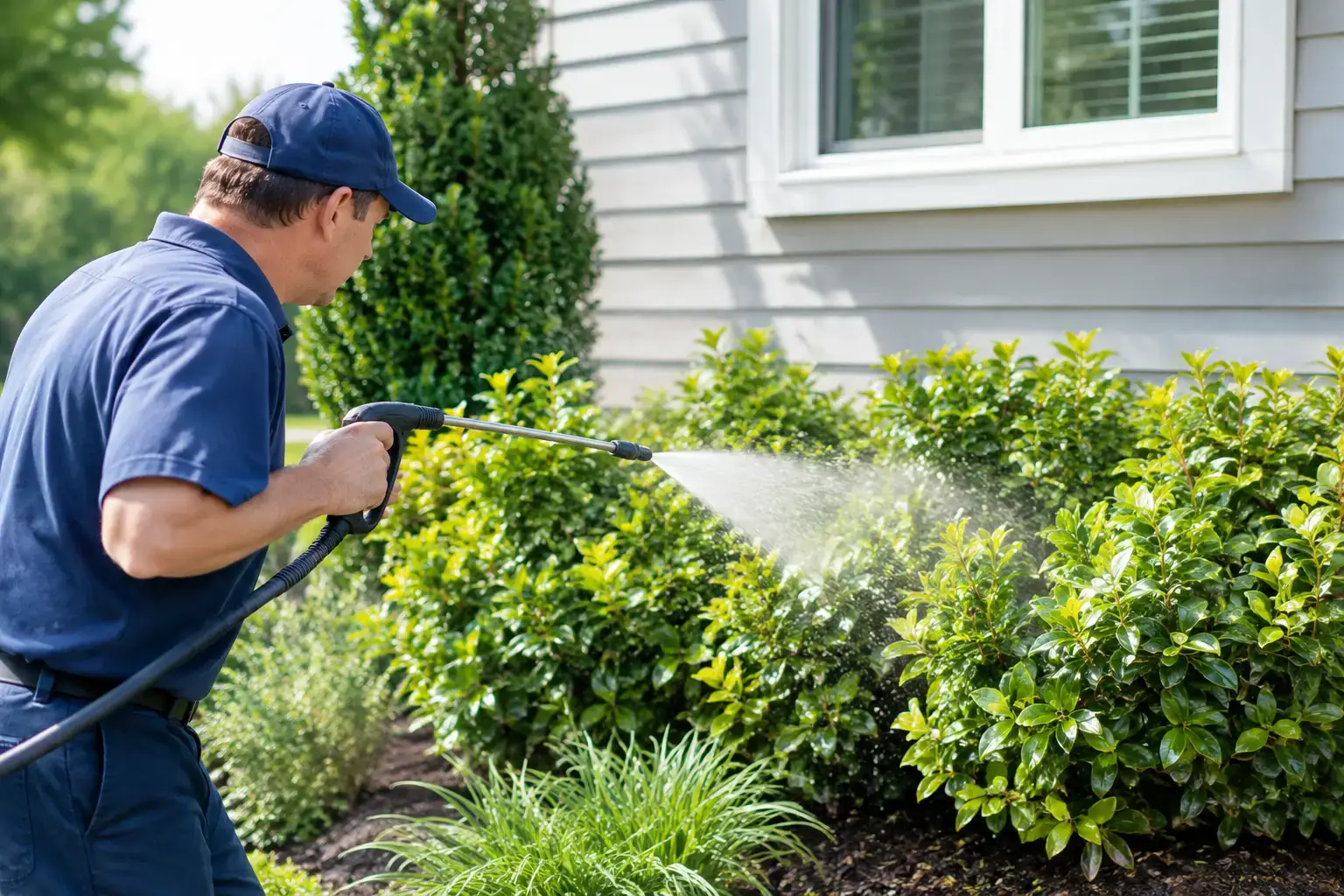
A clean roof or bright exterior should never come at the expense of the landscaping you work hard to maintain. So, can soft washing damage plants? It can when cleaning solutions are misused, allowed to dry on foliage, or applied without proper preparation. Done correctly by a careful professional, soft washing is designed to clean algae, mildew, and grime while protecting the shrubs, flowers, palms, and grass around your home.
For homeowners in Homosassa and across Citrus County, this matters year-round. Florida humidity fuels the black streaks and green growth that make roofs, siding, pool cages, and walkways look neglected. At the same time, our landscapes are full of heat-sensitive ornamentals and established plants that deserve thoughtful care.
Can Soft Washing Damage Plants During Exterior Cleaning?
Soft washing uses low pressure to apply a cleaning solution and rinse away organic growth. That low-pressure approach is much gentler on roof shingles, painted surfaces, soffits, and screened enclosures than high-pressure cleaning. But pressure is only one part of the process. The cleaning solution, the amount used, weather conditions, and rinsing practices all affect nearby vegetation.
Many professional exterior-cleaning solutions contain sodium hypochlorite at a dilution suited to the surface being cleaned, along with surfactants that help the solution cling to algae and grime. It is highly effective for removing organic staining, but it must be handled responsibly. Direct exposure can discolor leaves, cause browning, or stress a plant. Repeated or heavy exposure can be more serious, especially for young plants, flowering annuals, ferns, and delicate tropical varieties.
That does not mean homeowners must choose between a clean roof and healthy landscaping. It means the job calls for preparation and controlled application, not a rushed spray-and-go approach.
Plant Protection Starts Before the Cleaning Begins
The best time to protect landscaping is before any solution is applied. A professional should walk the property, identify planting beds, note potted plants and vegetable gardens, and look for areas where runoff could collect. This is especially helpful around lanais, entryways, roof valleys, and downspout outlets, where cleaning runoff may be more concentrated.
Healthy plants with well-hydrated soil are generally more resilient than dry, stressed plants. For that reason, landscaping should be thoroughly watered before soft washing begins. Wet leaves and saturated root zones help dilute incidental overspray and reduce the chance that cleaning solution will be absorbed into the soil at a harmful concentration.
Some sensitive plants may need additional attention. Potted plants can often be moved outside the work area. Delicate flowers, recently planted shrubs, and specialty garden beds may be covered briefly or shielded during application. Covers must be used carefully, though. Leaving plastic over a plant too long in the Florida sun can trap heat and create a different problem. The goal is temporary protection, not sealing plants away for hours.
Careful Application Makes the Difference
Soft washing should be targeted to the surface being cleaned. On a roof, the technician applies the solution in a controlled pattern, using specialized equipment and the lowest effective volume. The aim is to treat the algae and staining, not soak every surface below the roofline.
Weather matters, too. A breezy day can carry fine mist farther than expected, while intense heat can cause solution on leaves to dry too quickly. A conscientious cleaner adjusts the work plan, monitors wind direction, and keeps a close eye on landscape beds throughout the service.
This is one reason experience matters more than the word “soft” in soft washing. Low pressure protects building materials, but plant safety depends on the person holding the equipment. A trained professional knows that a roof cleaning is not complete when the shingles look better. The surrounding property needs to look cared for as well.
Rinsing Is Not an Optional Final Step
Water is the most practical protection during a soft-wash service. Plants should be rinsed before cleaning, monitored during application, and rinsed again afterward. This keeps leaves wet, flushes away any light overspray, and dilutes residues before they can sit on foliage or enter the soil.
A careful crew also pays attention to where water flows. Gutters, roof edges, low spots in planting beds, and downspouts deserve extra rinsing. If a downspout sends roof runoff directly into a landscaped area, that area may need to be watered continuously while the adjacent roof section is treated and rinsed afterward.
The same principle applies to house washing. Landscaping below windows, siding, soffits, and gutters should receive extra attention because it sits closest to the work zone. Pool-deck planters and landscaping around a lanai can be particularly vulnerable if the cleaner does not manage overspray carefully.
What Homeowners Can Do Before a Soft-Wash Appointment
You do not need to prepare your entire yard alone, but a few simple steps make it easier for the cleaning team to protect your property. Point out any plants you are especially concerned about, including new landscaping, prized flowering plants, herbs, vegetables, orchids, or recently transplanted shrubs. Clear lightweight décor, movable planters, and outdoor items away from the work area when possible.
If your irrigation system has a schedule, let the cleaner know. Watering before the appointment can be helpful, but a sprinkler running unexpectedly during application can create unnecessary runoff or interfere with the work. Pets should remain indoors, and outdoor water sources should be accessible so the crew can rinse landscaping as needed.
It also helps to share any property details that are not obvious from the driveway. Mention drainage concerns, hidden garden beds, rain barrels, koi ponds, or areas where water tends to pool. These details allow the technician to plan ahead rather than react after cleaning has started.
Signs a Cleaning Company Takes Landscaping Seriously
Before booking, ask how the company protects plants during roof or house washing. The answer should be clear and specific. “We use low pressure” is a good start, but it is not the whole answer. You want to hear about pre-wetting, controlled application, rinsing during the job, managing runoff, and checking plant beds before leaving.
A dependable local company will also be honest about conditions. If high winds, extreme heat, or a particular landscape feature creates added risk, the safest choice may be to adjust the schedule or modify the approach. That is not a lack of confidence. It is professional judgment.
At White Diamond Pressure Washing, careful preparation is part of producing the dramatic before-and-after results homeowners want. The goal is to revive the roof, siding, driveway, or lanai while leaving the property looking polished from every angle, including the landscape beds.
What if Plants Show Stress After Soft Washing?
Even with careful work, plants can occasionally show temporary stress. Browning leaf edges, pale spots, wilting, or leaf drop may appear within a day or two if foliage received more solution than expected. Do not fertilize immediately or apply additional chemicals. That can add stress to an already affected plant.
Instead, gently rinse the plant with clean water and keep the root zone evenly watered without flooding it. Remove only leaves that are fully damaged after the plant has had time to respond. Many established shrubs and landscape plants recover well when they receive prompt watering and normal care.
Contact the cleaning company promptly if you notice an issue. A responsible provider should want to inspect the area, understand what happened, and help address it. Taking photos soon after you notice damage can also be useful, particularly if the plant is in a location where roof or gutter runoff may have collected.
Clean Surfaces and Healthy Landscaping Can Go Together
Florida homes need regular exterior cleaning to control algae, mildew, and humidity-driven staining. Waiting until a roof is heavily discolored or a walkway becomes slick can make the job more difficult. Routine, professionally managed soft washing keeps surfaces shining like a diamond without treating your landscaping as an afterthought.
The right approach is straightforward: assess the property, hydrate and shield vulnerable plants, apply only what is needed, manage runoff, and rinse thoroughly. When those details are handled with care, your home can look freshly restored while the plants that frame it remain ready to thrive.