

For most porches, soft washing is the right starting point. It runs under 500 PSI and pairs low pressure with a cleaning solution that kills algae, mold, and mildew at the root rather than just blasting the surface. Pressure washing, which operates between 1,500 and 4,000 PSI, belongs on concrete, brick, and stone where the surface can take the force. Use it on wood, composite, vinyl, or painted surfaces, and you risk splintered boards, stripped paint, and water forced behind siding.
- Wood and composite: soft wash only; high PSI gouges fibers and voids many manufacturer warranties
- Vinyl and painted surfaces: soft wash; pressure strips coatings and can crack vinyl
- Stucco: soft wash; pressure blows out mortar and creates entry points for moisture
- Concrete and stone: pressure washing is appropriate, typically 1,500–3,000 PSI with a wide fan tip
Industry guidance puts annual professional cleaning as the baseline for most homes, with twice-yearly service for humid, coastal, or heavily tree-covered properties. Whitediamondpressurewashing specializes in exactly this kind of soft-wash-first exterior work in Citrus County and surrounding areas.
Soft washing treats biological growth at the molecular level, so results last longer than a pressure blast that only removes surface grime. The chemistry does the work; the water pressure is just the delivery mechanism.
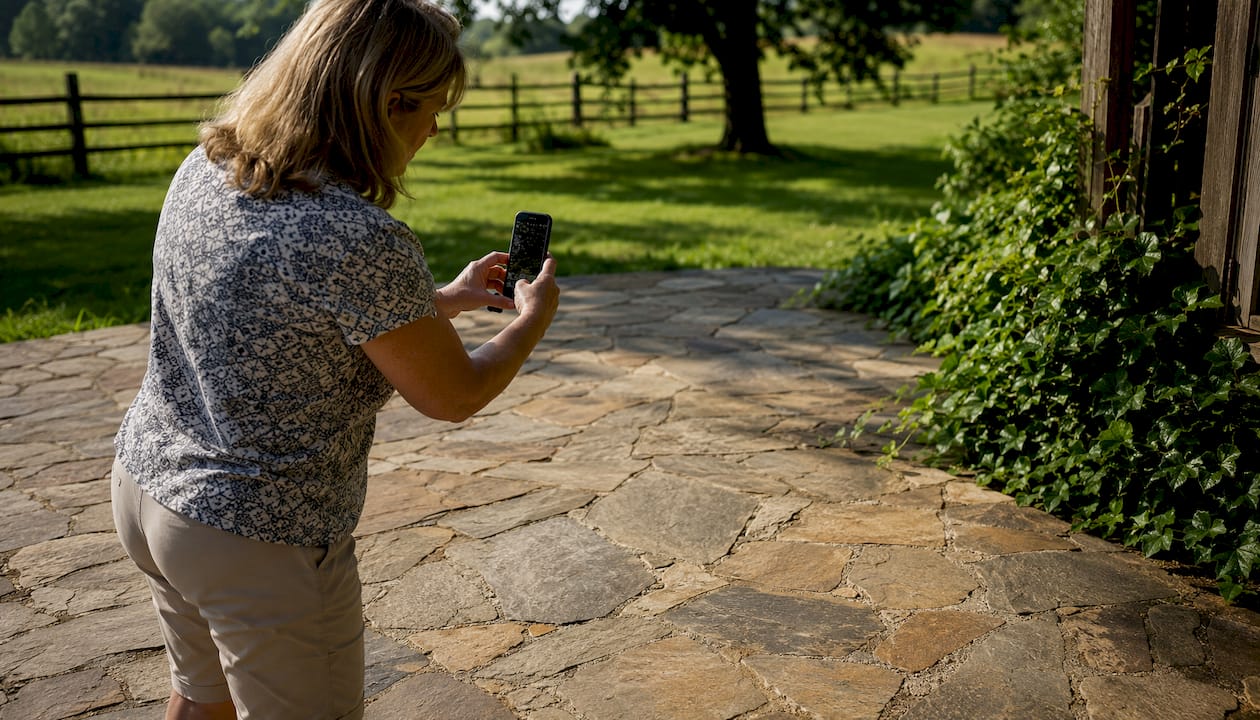
Pro Tip: If you’re unsure which method your porch needs, photograph the surface and note the material before calling any contractor. A qualified pro will ask those questions first — if they don’t, that’s a red flag.
Table of Contents
- Which method is right for your porch material?
- What does a professional porch cleaning actually look like?
- What DIY mistakes actually damage porches?
- How do you choose a porch-cleaning contractor worth trusting?
- How often should you clean your porch, and what does it cost?
- What environmental and regulatory rules apply to porch cleaning?
- Simple habits that keep your porch cleaner between professional visits
- Whitediamondpressurewashing: get a free estimate for your porch
- Key Takeaways
- A word on what actually surprises homeowners after a proper cleaning
- Sources and references for further reading
Which method is right for your porch material?
Different surfaces have hard limits. The table below maps each common porch material to the recommended cleaning method and, where pressure washing is appropriate, a safe PSI range.
| Material | Recommended Method | Safe PSI Range | Notes |
|---|---|---|---|
| Wood (treated or natural) | Soft wash | Under 500 PSI | High pressure splinters fibers and drives water into joints |
| Composite decking | Soft wash | Under 500 PSI | Use composite-specific cleaner; avoid metal brushes |
| Vinyl | Soft wash | Under 500 PSI | Strong pressure cracks panels and strips color |
| Painted surfaces | Soft wash | Under 500 PSI | Pressure strips paint; bleach-based soft wash lifts stains safely |
| Stucco | Soft wash | Under 500 PSI | Pressure destroys texture and opens moisture pathways |
| Concrete | Pressure wash | 1,500–3,000 PSI | Wide fan tip; move continuously to avoid surface etching |
| Natural stone | Pressure wash (low) | 1,500–3,000 PSI | Test a hidden area first; some stone is more porous than it looks |
A few exceptions worth knowing:
- Severe oil stains on concrete sometimes need a degreaser applied first, then a targeted pressure pass at closer range.
- Old or damaged wood with existing rot or loose boards should be inspected and repaired before any cleaning method is applied.
- Combination approach: a soft-wash application followed by a low-pressure rinse is often the best of both worlds on lightly soiled wood or composite surfaces.
What does a professional porch cleaning actually look like?
Pros follow a specific sequence, and knowing it helps you hold any contractor accountable. The professional process runs: inspect, protect, apply, dwell, rinse, document.
- Inspection. Walk the entire porch looking for loose boards, protruding nails, failing sealant, and existing damage. Note the material and any areas needing special care.
- Protect plants and fixtures. Pre-wet surrounding plants with clean water, cover them with plastic sheeting, and tape off electrical outlets and light fixtures.
- Pre-wet the surface. A light rinse removes loose debris and reduces the amount of cleaner needed.
- Apply cleaning solution. For soft washing, a sodium hypochlorite-based blend with surfactants is standard. Concentrations typically range from 1–6% depending on the surface and level of biological growth.
- Dwell time. Let the solution sit long enough to break down algae and mold, usually several minutes. Rushing this step is one of the most common contractor shortcuts.
- Low-pressure rinse. Work top-down: railings and overhead fixtures first, then the deck surface. This prevents re-soiling areas you’ve already cleaned.
- Final inspection and photos. A thorough pro documents before-and-after conditions. This protects both parties and gives you a reference point for future maintenance.
Safety gear matters throughout: gloves, eye protection, and non-slip footwear are non-negotiable when working with bleach-based solutions. Keep children and pets off the porch during the entire process.
Pro Tip: Before any cleaning begins, ask your contractor to test a small, inconspicuous area and record the PSI, nozzle type, and dwell time used. That job file becomes the reproducible recipe for every future cleaning.
What DIY mistakes actually damage porches?
Most porch damage from cleaning is avoidable. The common errors follow a predictable pattern:
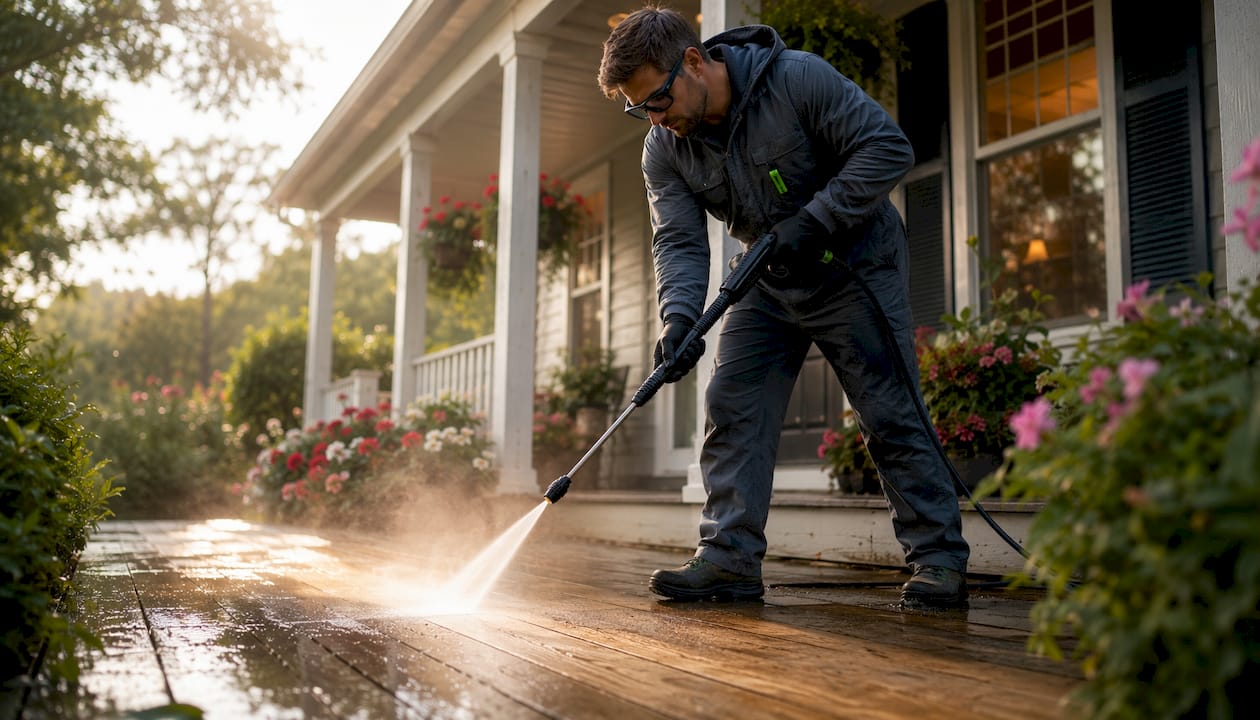
- Too much PSI on wood or paint. Even a brief pass at 2,000+ PSI on a wood porch can raise grain, splinter boards, and force water into the substructure where it causes rot.
- Wrong nozzle or distance. A zero-degree nozzle concentrates force into a pinpoint. Held too close, it cuts into composite and strips paint in seconds.
- Mixing incompatible chemicals. Bleach and ammonia-based cleaners produce toxic fumes. Using the wrong cleaner on composite can permanently discolor the cap stock.
- Skipping plant protection. Bleach runoff kills grass and shrubs quickly. Many homeowners don’t realize the damage until days later.
- Ignoring electrical fixtures. Forcing water into outdoor outlets or light fixtures creates a shock hazard and can cause shorts that aren’t immediately obvious.
Pressure washing can remove finishes, roughen surfaces, and cause damage like splintering on wood or surface wear on composites. Even when it “looks cleaner,” aggressive cleaning may shorten the lifespan of deck boards by forcing water and contaminants deeper into the material.
If you notice the wood grain raising, paint lifting, or the surface looking worse mid-clean, stop. Those are signs the method or pressure is wrong for that material. Continuing causes permanent damage that costs far more to repair than a professional cleaning would have.
How do you choose a porch-cleaning contractor worth trusting?
The right contractor asks about your material before quoting a price. Use this checklist when vetting anyone for the job. More detail is available in this vendor evaluation guide.
Questions to ask on the call:
- Do you start with soft washing or go straight to pressure?
- What PSI and nozzle will you use on my specific material?
- What cleaning chemistry do you use, and is it biodegradable?
- Can you provide proof of liability insurance and licensing?
- Do you offer a written estimate and a satisfaction guarantee?
- Can you show before-and-after photos from similar jobs?
Red flags to watch for:
- Flat lowball bids with no site visit or material assessment
- Refusal to provide proof of insurance in writing
- No mention of plant or runoff protection
- Insisting high pressure is fine for wood or vinyl
Industry surveys consistently show that most professionals recommend annual cleaning for most homes. A contractor who can’t explain their frequency recommendation for your specific material and climate probably isn’t following that guidance.
How often should you clean your porch, and what does it cost?
Annual professional cleaning is the baseline for most U.S. homes. Humid climates, coastal properties, and yards with heavy tree cover typically need service twice a year to stay ahead of algae and mildew.
| Service Type | Typical Cost Range | Notes |
|---|---|---|
| DIY equipment rental | — | Pressure washer only; chemicals extra |
| Professional (average home) | $300–$400 | Includes labor, chemistry, and equipment |
| Professional (large or complex) | $500+ | Multi-story, difficult access, or heavy staining |
Factors that move the price up or down:
- Square footage and levels: a wraparound two-story porch costs more than a small front stoop.
- Material type: soft-wash chemistry for biological growth costs more than a straight pressure rinse on concrete.
- Access difficulty: tight spaces, landscaping, or fragile railings slow the job.
- Condition: heavy algae or years of neglect require longer dwell times and sometimes repeat passes.
A professional clean that costs $300–$400 upfront is almost always cheaper than repairing splintered boards or repainting a stripped surface after a DIY mistake. For busy homeowners, outsourcing high-risk exterior cleaning is one of the smarter seasonal decisions.
What environmental and regulatory rules apply to porch cleaning?
Bleach-based runoff is the main concern. Most U.S. municipalities prohibit allowing chemical-laden water to flow directly into storm drains, and some HOA covenants add their own restrictions on cleaning products and methods.
- Check local stormwater rules before any chemical cleaning. Your city or county public works department is the right starting point.
- Pre-wet plants before applying any solution and rinse them thoroughly as soon as the cleaning is done. This dilutes any bleach contact and minimizes damage.
- Contain runoff where possible using berms or absorbent materials, especially near storm drain inlets.
- Request biodegradable formulations from your contractor. Many professional-grade soft-wash blends are designed to break down quickly in soil.
- Consult the product MSDS (Material Safety Data Sheet) for exact handling, storage, and disposal requirements before using any cleaning chemical.
Pro Tip: Ask any contractor you’re considering for a written environmental mitigation plan. A pro who can hand you one on request has thought through the job properly. One who looks confused by the question hasn’t.
Simple habits that keep your porch cleaner between professional visits
Weekly sweeping is the single most effective thing you can do. Debris trapped between boards holds moisture, and moisture is what starts rot and mold. Pay particular attention to gaps, post bases, and corners where leaves and pine needles pack in.
Seasonal checklist:
- Spring: rinse off pollen buildup with a garden hose; inspect for winter damage and failing sealant
- Late summer: check for early algae or mildew growth, especially in shaded areas
- Fall: clear leaves promptly; wet leaves left on wood accelerate staining and rot
- Before winter: apply fresh sealant if the finish is worn; remove potted plants and furniture
Small-touch maintenance matters too. Spot-clean spills immediately before they set. Wipe bird droppings as soon as you see them — the acidity etches paint and stains wood fast. Where the finish is visibly failing, spot-seal or repaint rather than waiting for the annual clean. A little prep before a cleaning service arrives also makes the professional visit faster and more effective.
Whitediamondpressurewashing: get a free estimate for your porch
Whitediamondpressurewashing brings a soft-wash-first approach to every porch job in Citrus County and surrounding areas, using biodegradable solutions and material-specific protocols that protect your surfaces rather than stress them. Every booking starts with an on-site inspection and a written estimate, so you know exactly what method, chemistry, and pressure will be used before anyone touches your porch.

Trust signals matter when you’re letting someone work on your home. Whitediamondpressurewashing backs every job with proof of insurance, before-and-after photos, and customer reviews you can read before you book. The soft-wash process is fully documented, and the team can walk you through every step on the call. Ready to get your porch cleaned the right way? Get a free estimate or book directly through the website.
Key Takeaways
Soft washing under 500 PSI is the safest and most effective first choice for wood, composite, vinyl, painted, and stucco porches; pressure washing belongs only on concrete and stone.
| Point | Details |
|---|---|
| Match method to material | Soft wash for wood, composite, vinyl, painted, and stucco; pressure wash (1,500–3,000 PSI) for concrete and stone only. |
| Annual cleaning is the baseline | Most homes need professional cleaning once a year; humid or tree-covered properties benefit from twice-yearly service. |
| Professional cost range | Expect $300–$400 for a typical home; DIY equipment rental runs $75–$150 per day, not counting chemistry. |
| Vet your contractor carefully | Demand proof of insurance, a written estimate, soft-wash-first methodology, and before-and-after photos before booking. |
| Whitediamondpressurewashing | Offers soft-wash-first porch cleaning in Citrus County with biodegradable solutions, written estimates, and documented before-and-after results. |
A word on what actually surprises homeowners after a proper cleaning
The most common reaction after a material-appropriate professional clean isn’t “wow, it’s shiny.” It’s “I didn’t realize how bad it had gotten.” Algae and mildew build gradually enough that homeowners stop seeing it. A proper soft wash reveals the actual surface color, and occasionally it also reveals something less welcome: soft spots, discolored boards, or areas where moisture has been sitting long enough to start rot.
That’s not a failure of the cleaning process. It’s the cleaning doing its job. Catching rot early, before it spreads to joists or substructure, is one of the real financial arguments for regular professional maintenance. Homeowners who delay cleaning by two or three years often face repair bills that dwarf what a few annual cleanings would have cost. Documentation matters here too: before-and-after photos and a record of the PSI and chemistry used give you a baseline for every future visit and reduce any ambiguity if a warranty question comes up.
Sources and references for further reading
The following sources informed this guide and are worth consulting directly for product safety data, regulatory guidance, and method comparisons.
| Source | What it covers |
|---|---|
| Titan Flow Exteriors: Soft Wash vs Pressure Wash | PSI ranges and surface-specific method guidance |
| BizzFactor Pro Insights: Pressure Washing Frequency | Annual cleaning recommendations and U.S. cost ranges |
| SoftWash Technologies: Chemical Handling | Sodium hypochlorite concentrations and plant protection |
| Lee Company: How Often to Pressure Wash | Professional process sequence and inspection guidance |
| Aquasudz: Soft Wash vs Pressure Wash | Hard surface pressure washing guidance and damage risks |
| RoyalTideWash: Soft Washing Pros and Cons | Surface-specific soft-wash recommendations |
| Premier Pro Wash & Seal: Soft Wash Longevity | Why soft washing yields longer-lasting results |
| EPA Stormwater Program | Municipal runoff rules; consult your local authority for jurisdiction-specific requirements |
| Product MSDS sheets | Required reading before handling any sodium hypochlorite or surfactant blend |
For jurisdiction-specific stormwater rules, contact your city or county public works department directly. HOA covenants vary and should be reviewed before scheduling any chemical cleaning.
Recommended
- Why clean outdoor patios: the Citrus County homeowner’s guide – white-diamond-pressure
- Exterior Cleaning Vendor Evaluation Tips for Homeowners – white-diamond-pressure
- What Is Hardscape Cleaning? a Homeowner’s Guide – white-diamond-pressure
- Sidewalk cleaning tips that protect and impress – white-diamond-pressure