

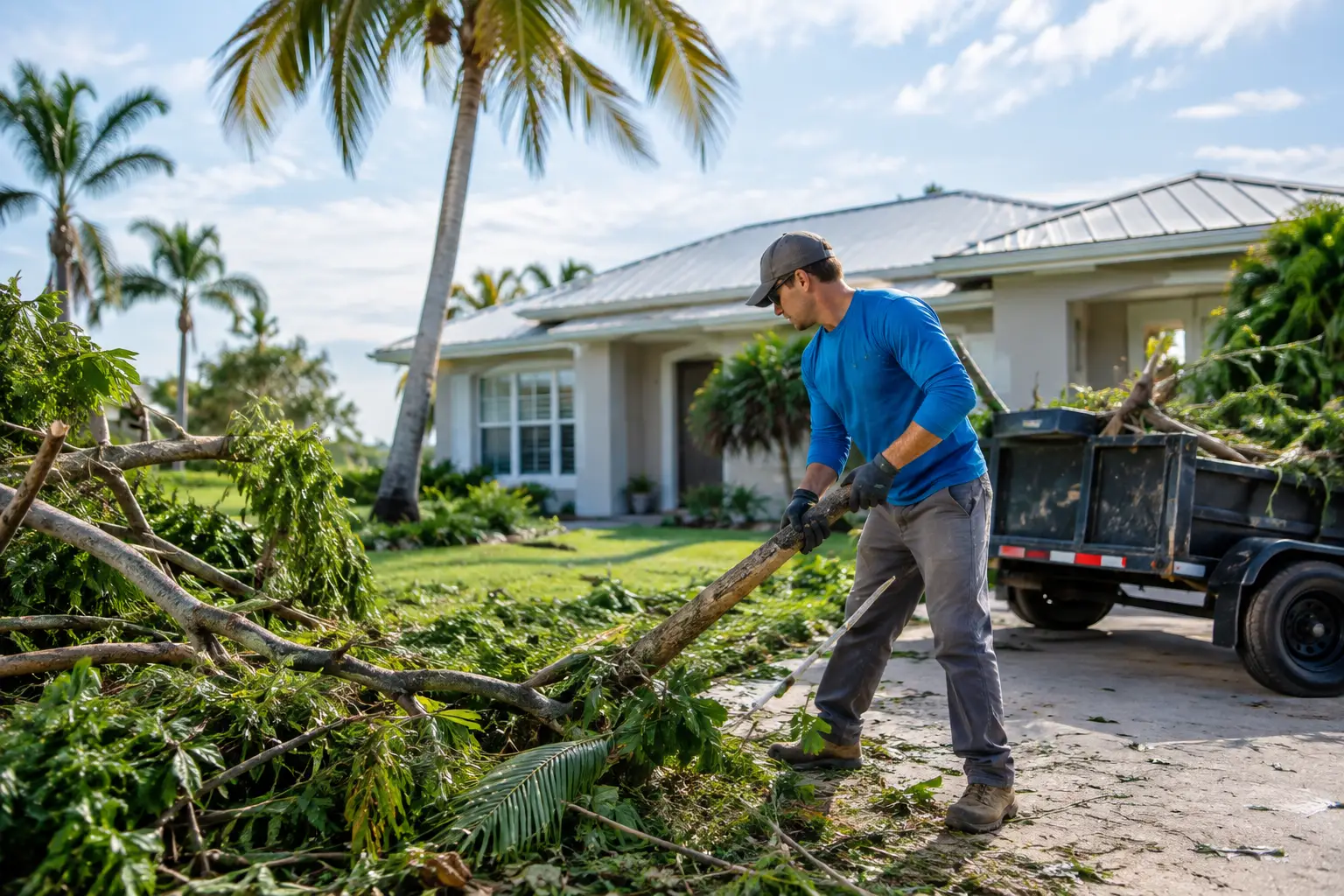
The morning after a Florida storm can make a familiar home look surprisingly different. Palm fronds gather in corners, mulch spreads across walkways, leaves clog gutters, and damp surfaces start holding onto dirt before the sun is fully out. A careful post storm exterior cleanup does more than restore the view from the curb. It helps homeowners spot damage, remove slippery buildup, and keep storm debris from causing avoidable problems around the property.
For homes in Homosassa, Citrus County, and nearby communities, the right response depends on what the weather left behind. A light rainstorm may call for debris removal and a quick inspection. Heavy wind, standing water, or branches across the roof require a more cautious approach. The goal is not to rush outside with the strongest pressure washer available. It is to clean each surface in a way that protects it.
Start With Safety, Not Cleaning
Before moving branches or rinsing a driveway, take a slow walk around the outside of the home. Stay clear of downed power lines, damaged electrical equipment, loose limbs overhead, and any area with visible structural damage. If a tree limb is resting on the roof, a pool cage, or an awning, do not try to pull it free yourself. That weight can shift suddenly and turn a manageable problem into a costly repair.
Look for loose shingles, displaced roof tiles, damaged screens, bent gutters, cracked windows, and standing water near the foundation. Take clear photos before cleaning if you may need to speak with an insurance company or contractor. Once the area is safe, remove loose debris from the ground so walkways, driveways, and entry areas are easier to navigate.
Wet algae, leaves, and fine grit can make concrete unexpectedly slick. This matters especially near front entries, pool decks, steps, and lanais where family members and guests may walk in sandals or barefoot. Clearing these areas promptly is one of the simplest ways to make the property safer after a storm.
Check the Roof and Gutters From the Ground
A roof often takes the hardest hit during heavy weather, but it is not a surface homeowners should climb onto for routine cleanup. From the ground, look for visible branches, piles of leaves in valleys, shingle edges that appear lifted, or dark debris collecting near rooflines. Binoculars can help, but a professional inspection is the safer choice when storm debris is significant.
Gutters deserve attention because they direct water away from the home. When leaves, seed pods, and roof grit block them, the next rainfall can overflow onto soffits, siding, landscaping, and the ground beside the foundation. That overflow may leave staining and can contribute to erosion over time.
Cleaning gutters carefully is about more than scooping out leaves. Downspouts should be checked for proper flow, and the gutter line should be inspected for loosened sections or damaged fasteners. If the gutters are high, unstable, or packed with debris, it is wise to leave the work to a properly equipped professional.
Why Roof Cleaning Should Wait Until Damage Is Ruled Out
Storms can reveal existing roof discoloration by adding fresh debris and moisture to an already stained surface. That does not mean the roof needs high-pressure washing. In fact, high pressure can damage roofing materials and shorten their useful life.
After the roof has been checked for storm damage, dark algae streaks, mildew, and grime can be addressed with a low-pressure method and manufacturer-endorsed cleaning agents. This approach removes organic growth without blasting at shingles or tiles. The difference is important: a roof should look refreshed, not stripped or stressed.
Clear Driveways, Walkways, and Concrete the Right Way
Driveways and walkways collect a surprising amount of storm residue. Wind pushes dirt into expansion joints. Rainwater carries leaves, tannin stains, and mulch across concrete. Humid Florida conditions then give mildew and algae a head start, especially in shaded spots.
Sweep or blow away branches and loose debris first. This prevents sticks and gravel from being dragged across the surface during cleaning. Then evaluate what remains. A simple rinse may be enough after a mild storm, but embedded dirt, algae, and slippery green or black staining often need professional surface cleaning.
The method matters. Excessive pressure can leave uneven marks in concrete, disturb joint material, or send dirty runoff into planting beds. A trained exterior-cleaning professional uses the right equipment and controlled pressure for the surface, creating a more even result while treating the surrounding property with care.
If your driveway or walkways are sealed, mention that before scheduling service. Some surfaces may need a gentler cleaning approach, while others may benefit from resealing after they are fully clean and dry. The best choice depends on the concrete’s condition, previous coatings, and the amount of storm-related staining.
Don’t Forget the Lanai, Pool Cage, and Screens
For many Citrus County homeowners, the lanai is where the storm cleanup becomes most visible. Screens catch leaves, pollen, and small branches. Pool cages hold moisture in shaded corners. Patio furniture may leave marks where it shifted during wind, and debris can settle into tracks, drains, and along the base of the enclosure.
Start by removing loose material from the pool deck and checking screen panels for tears or separation. Avoid pushing hard against wet screens. They can be more vulnerable after wind exposure, particularly around older fasteners and framing.
A pool cage or lanai wash should be gentle enough to protect screens, painted aluminum, and nearby pool water. Low-pressure cleaning is often the better fit for these structures, paired with appropriate cleaning solutions for mildew and grime. Careful preparation also matters. Plants, furniture, and delicate exterior features should be protected before cleaning begins.
The same thinking applies to awnings. Awnings can trap leaves and retain moisture, but aggressive washing may damage fabric, seams, or mounting hardware. A surface-appropriate cleaning method removes buildup while respecting the material.
Wash the House After Debris Is Removed
Storm rain can leave siding, soffits, trim, and exterior walls looking streaky rather than clean. Rainwater runs over roof edges, carries dirt down walls, and deposits grime in corners around windows and doors. On homes with existing algae or mildew, the extra moisture can make staining more noticeable within days.
House washing is most effective after branches, leaves, and gutter debris have been handled. Otherwise, fresh debris can immediately fall onto cleaned surfaces. Low-pressure washing is typically the right approach for painted siding, stucco, soffits, and trim because it lifts organic staining without forcing water where it does not belong.
Pay attention to soffits and fascia, which are easy to overlook from the ground. These areas often show water marks and mildew after prolonged rain. A thorough cleaning can brighten the roofline and make the entire home look more cared for, even before landscaping has fully recovered.
Know When to Call for Professional Help
Some post-storm tasks are well suited to a homeowner with gloves, a rake, and a careful eye. Others call for professional equipment and experience. Consider bringing in help when debris is on the roof, gutters are difficult to reach, algae has made concrete slick, screens or pool enclosures need washing, or exterior staining covers more than a small area.
It is also a good idea to call a professional if you are preparing for guests, returning to a seasonal home, listing the property, or simply want the exterior looking like itself again without spending a weekend on ladders. A written estimate should clearly explain what will be cleaned and how the work will be performed.
White Diamond Pressure Washing approaches storm-related cleanup with the same care used for routine exterior maintenance: low-pressure methods where they belong, approved cleaning agents for the material, and attention to landscaping and surrounding surfaces. The result should feel noticeable without putting your roof, paint, screens, or concrete through unnecessary stress.
A Cleaner Exterior Makes the Next Rain Easier
Post-storm cleanup is not about making every surface perfect the day after bad weather. It is about removing what can block drainage, create slip hazards, feed algae, or hide a developing issue. Once the debris is gone and the exterior is clean, it is much easier to see what the home truly needs next.
A fresh, well-maintained exterior gives Florida rain fewer places to leave its mark. More importantly, it lets you enjoy the sunshine that follows the storm with a driveway, lanai, and home exterior that are ready to shine like a diamond.