

TL;DR:
- A seasonal exterior cleaning checklist helps Citrus County homeowners stay ahead of damage caused by humidity, pollen, storms, and algae growth. Regularly scheduling professional cleanings for driveways, roofs, gutters, and walkways prevents costly repairs and maintains curb appeal. Implementing a proactive plan reduces reactive costs and signals property care in Florida’s competitive real estate market.
Florida’s climate is beautiful, but it is relentless on home exteriors. Citrus County homeowners deal with year-round humidity, intense pollen seasons, tropical storms, and the kind of algae growth that can turn a clean driveway into a slippery green hazard in just a few weeks. Cleaning up when things look bad is not a strategy; it is a reaction. A structured, seasonal cleaning checklist lets you stay ahead of buildup, protect your investment, and keep your property looking sharp no matter what Florida throws at it.
Table of Contents
- How to build a seasonal exterior cleaning checklist
- Driveways: Seasonal cleaning essentials
- Roofs and gutters: Protecting your home from top down
- Walkways and outdoor living areas: Preventing slips and boosting curb appeal
- Seasonal cleaning schedule: When and what to clean in Citrus County
- Our take: Stop reacting and start planning
- Ready to put your checklist into action?
- Frequently asked questions
Key Takeaways
| Point | Details |
|---|---|
| Custom checklists matter | A seasonal cleaning plan tailored to Citrus County’s climate maximizes protection and curb appeal. |
| Driveways need frequent care | Regular, season-appropriate attention keeps your driveway safe and clean. |
| Roofs and gutters need quarterly checks | Routine inspections and cleaning help prevent expensive roof and water damage. |
| Don’t overlook walkways | Maintaining high-traffic walk and patio areas boosts home safety and looks. |
| Sync schedule with seasons | Plan your cleaning tasks for the months when they’ll be most effective and needed. |
How to build a seasonal exterior cleaning checklist
Now that you know what’s at stake, let’s break down how to actually organize your cleaning routine. Florida’s weather does not follow the same patterns as northern states, so your exterior maintenance calendar needs to reflect that reality. You are not dealing with frozen pipes or snow runoff; you are managing humidity, UV exposure, pollen bombs, and hurricane season.
The importance of seasonal cleaning for Citrus County homes comes down to timing. Clean at the wrong time and you are fighting the weather. Clean at the right time and you are using Florida’s own patterns to your advantage.
Here is a simple, four-step process for building an exterior maintenance checklist that actually works:
- Map your surfaces. Walk your entire property and list every exterior surface: driveway, walkways, roof, gutters, patio, siding, fences, and decks. Do not skip areas just because they are hard to reach.
- Assign each surface a cleaning frequency. Some surfaces need attention quarterly; others can wait for bi-annual cleaning. High-traffic areas and shaded spots collect grime faster and need more frequent attention.
- Align with Florida’s four seasons. Spring (pollen and post-winter buildup), summer (mildew and storm prep), fall (storm recovery and leaf debris), and winter (inspection and crack prevention) each bring specific challenges. Checklists for exterior cleaning services vary by season to address different environmental challenges.
- Prioritize by visibility and risk. High-visibility areas like the front driveway and walkway affect your curb appeal daily. High-risk areas like the roof and gutters affect your home’s structural integrity. Tackle both groups consistently.
Pro Tip: Schedule your major cleaning sessions right after pollen season wraps up in late spring, and again after your first major fall storm. You will be removing layers of buildup at the most effective moments rather than cleaning the same grime twice.
After major weather events, effective storm cleanup strategies pair well with a thorough exterior wash to make sure debris, mud, and storm residue do not settle into your surfaces and cause long-term staining.
Driveways: Seasonal cleaning essentials
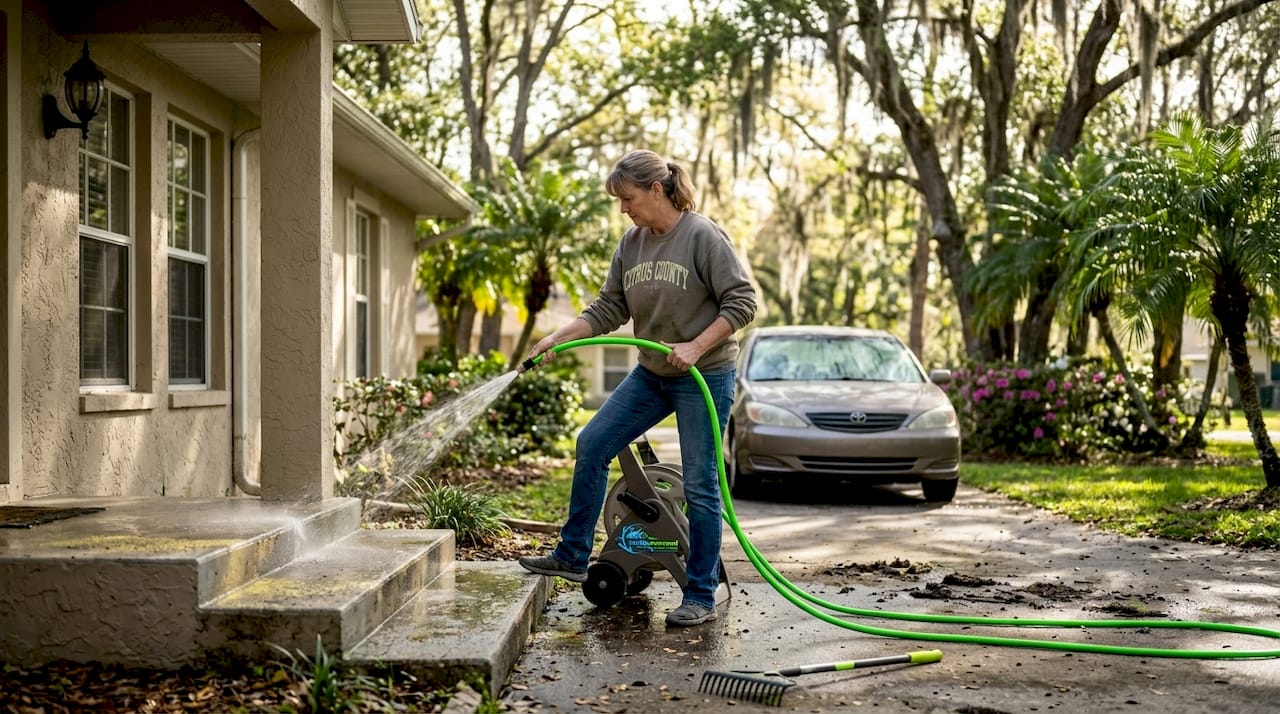
With a framework in place, let’s apply it to the most visible part of your property—your driveway. Your driveway takes a beating every single day: foot traffic, vehicles, oil drips, pollen fallout, and water runoff all work together to embed stains and encourage mold growth. Left untreated, routine driveway cleaning prevents damage from mold, mildew, and oil stains that can become permanent if ignored long enough.
Here is what your driveway needs each season:
- Spring: This is your biggest cleaning window. Pollen coats every surface in Citrus County from February through April. After pollen season peaks, pressure wash the entire surface to remove the yellow layer and any surface stains that built up over winter. This also helps prevent pollen from feeding mold growth as temperatures rise.
- Summer: Oil spots and grease from vehicles become more visible and more stubborn in the heat. Address them with targeted cleaners before they fully cure into the concrete. Shaded sections of your driveway are also prime spots for mildew. Check those corners and edges closely.
- Fall: Storm debris is the main enemy here. Leaf tannins, wet debris piles, and standing water after tropical storms can stain concrete quickly. Sweep and blow debris within 48 hours of a storm, then rinse the surface thoroughly.
- Winter: Inspect your driveway for cracks and ensure that water drains away from the foundation. Florida winters are mild, but freeze-thaw events can occur during cold snaps, and water that sits in cracks can expand and widen them over time.
Knowing the right approach matters as much as knowing when to clean. Different driveway cleaning methods work better on different stain types and driveway materials. A concrete surface that handles high PSI well might need a completely different approach than a paver driveway that can shift under too much pressure.
Pro Tip: Use cleaners specifically formulated for algae and mold in Florida’s climate rather than generic degreasers. Citrus County’s heat and humidity mean algae strains here are aggressive. A standard big-box store cleaner may not have the concentration to cut through them effectively. Pair the right product with your driveway maintenance checklist to maximize the lifespan of your surface.
Roofs and gutters: Protecting your home from top down
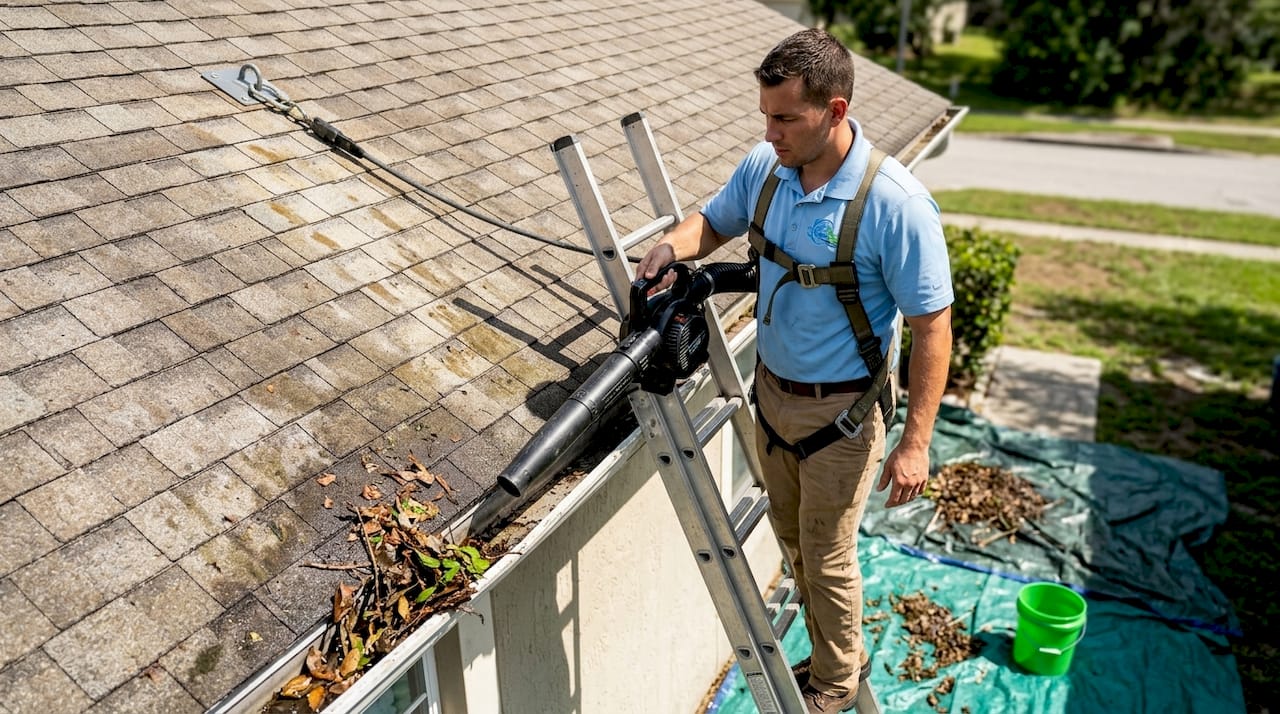
Driveways aren’t the only exterior areas needing attention—next up are the spaces that keep water away from your home: your roof and gutters. Many Citrus County homeowners underestimate how quickly a neglected roof can develop serious problems. Algae, lichen, and moss do not just look bad. They eat into shingles and reduce their protective capability over time.
Regular roof and gutter cleaning prevents costly repairs and keeps your home safe from water infiltration that can lead to interior mold, rotted wood, and structural issues. Here is a numbered, seasonal approach that covers all the key tasks:
- Spring inspection and cleaning. After winter and early storm season, inspect your gutters for debris that settled over the cooler months. Clean them fully and flush with water to confirm drainage flow. Check shingles for any that shifted or lifted during cold snaps.
- Pre-hurricane season prep (June). Before hurricane season peaks, clear every gutter and downspout completely. One clogged downspout during a heavy rain event can cause water to back up under your roofline. Inspect flashing around chimneys and vents for gaps that could let water in.
- Post-storm inspection (summer and fall). After any significant storm, walk your property and visually inspect the roof from the ground. Look for missing shingles, debris accumulation in valleys, and gutters that may have shifted or come loose. Note anything that needs professional attention quickly.
- Fall cleaning (October/November). This is your second major gutter cleaning of the year. Leaf debris from trees surrounding your home will pack into gutters and create blockages that lead to overflow and potential fascia rot.
- Quarterly visual checks. Between major cleanings, check your roof and gutters visually from the ground every three months. Look for green or black discoloration on the roof surface, which signals algae or mold growth.
“Skipping regular roof washes can cut your roof’s lifespan in half. What looks like surface-level grime is often biological growth actively breaking down roofing materials from below.”
Your roof and gutter cleaning services should never involve high-pressure washing on shingles. Soft washing, which uses lower pressure and specialized cleaning solutions, is the industry-approved method that removes biological growth without blasting away granules from asphalt shingles. Your spring exterior checklist should always include a soft wash roof treatment as the anchor task.
Walkways and outdoor living areas: Preventing slips and boosting curb appeal
Let’s move from up high to ground level—next are walkways, patios, and the places friends and family see first. These surfaces take foot traffic daily and sit at exactly the right angle to collect standing water, leaf debris, and airborne mold spores. Neglecting walkway and patio cleaning increases slip risks and detracts from curb appeal in ways that are immediately visible to anyone who approaches your home.
Here is what your seasonal walkway and patio routine should look like:
- Spring: Algae and mildew that developed during winter make walkways dangerously slippery. Pressure washing these surfaces in early spring removes the biological growth and restores traction. This is also a great time to inspect for cracks or lifted pavers before summer foot traffic increases.
- Summer: Sand and fine debris wash onto walkways during summer storms. That material packs into joints between pavers and can cause shifting over time. Clear it out and re-sand paver joints as needed. Also inspect for any trip hazards that heaved during rainy season.
- Fall: Clear leaves promptly. Wet leaves on stone or concrete release tannins that stain surfaces a brown color that is difficult to remove if left too long. A quick weekly sweep during fall keeps this from becoming a major cleaning job.
- Winter: This is your inspection window. Walk every walkway and patio surface looking for cracks, uneven sections, and areas where water pools. Addressing these now prevents them from worsening during the next rainy season.
Sticking to a consistent annual pressure washing schedule protects walkway surfaces from premature aging. Here is a quick reference for how often different exterior surfaces to clean need attention:
| Surface | Recommended cleaning frequency | Primary seasonal concern |
|---|---|---|
| Concrete walkways | Twice per year | Algae, mildew, staining |
| Natural stone paths | Once per year | Moss, lichen, staining |
| Wood decks | Once to twice per year | Mold, UV graying, splinters |
| Brick or clay pavers | Once per year | Weed growth, joint sand loss |
| Concrete patios | Twice per year | Mildew, pollen buildup |
Different materials respond differently to pressure and cleaning agents. Wood decks need low pressure and specialized wood-safe cleaners. Pavers need medium pressure but careful attention to joint material. Concrete can handle more aggressive washing. Knowing your surface saves you from accidentally causing damage.
Seasonal cleaning schedule: When and what to clean in Citrus County
To tie everything together, here’s an easy, month-by-month overview so your seasonal cleaning never falls behind. Timing your cleaning checklist with the seasons maximizes effectiveness and helps avoid weather-related damage from catching you off guard.
| Month | Driveways | Roof and gutters | Walkways and patios |
|---|---|---|---|
| February | Rinse pollen buildup | Visual inspection | Check for winter algae |
| March | Pressure wash full surface | Clean gutters | Spring pressure wash |
| May | Spot treat oil stains | Pre-hurricane inspection | Inspect for cracks |
| June | Mildew check (shaded areas) | Clear downspouts | Sand joints on pavers |
| August | Post-storm debris sweep | Post-storm roof check | Clear storm debris |
| October | Leaf debris removal | Fall gutter cleaning | Sweep and inspect |
| December | Crack inspection | Visual roof check | Winter safety inspection |
Reference the Citrus home prep checklist to confirm you have not missed any surface-specific tasks that are unique to Citrus County’s microclimate.
Three scheduling tips that make a real difference for Citrus County homeowners:
- Book professional cleanings in advance. Spring and fall are the two busiest seasons for exterior cleaning. Scheduling two to three weeks ahead ensures you get your preferred date rather than waiting for availability after peak demand.
- Pair tasks together. Roof washing and gutter cleaning make sense to do in the same visit. Driveway and walkway washing go naturally together. Combining tasks is more efficient and often more cost-effective.
- Document your cleaning dates. Keep a simple note on your phone or calendar marking when each surface was last cleaned. This removes the guesswork and helps you track when something is overdue.
Our take: Stop reacting and start planning
Here is something most cleaning guides will not tell you outright: reactive cleaning almost always costs more than preventive cleaning. We have seen it firsthand across Citrus County properties. A homeowner waits until the algae on their roof is visibly thick, and now we are dealing with biological growth that has been actively degrading shingles for two or three seasons. A driveway that got one cleaning in five years now has oil stains that have bonded so deeply into the concrete that no amount of pressure can fully remove them.
The seasonal checklist approach is not about being a perfectionist. It is about removing the mental load of wondering whether your home needs attention. When you know that March means driveway washing and October means gutter cleaning, it becomes a habit rather than a decision. Habits are easy. Decisions wear you down.
There is also a curb appeal argument that rarely gets talked about honestly. Your home’s exterior is what every neighbor, visitor, and potential buyer sees before anything else. That perception forms in seconds, and it is shaped entirely by whether your surfaces look maintained or neglected. Clean concrete, clear gutters, and mold-free walkways do not just protect the structure; they signal that you care about your property. In Citrus County’s competitive real estate market, that signal matters more than most homeowners realize.
Our strongest recommendation: pick two anchor dates per year for professional exterior cleaning. Everything else can be DIY maintenance. Those two professional sessions catch what routine upkeep misses and keep your property in genuinely good condition year-round.
Ready to put your checklist into action?
Building the checklist is the planning stage. Executing it is where White Diamond Pressure Washing comes in.

We work with Citrus County homeowners year-round to handle the seasonal exterior cleaning tasks that make the biggest difference. From soft washing roofs to pressure washing driveways and walkways, our team uses the right methods and the right products for every surface on your property. Flexible scheduling, experienced crews, and results you can see from the street. Visit whitediamondpressurewashing.com to get your free estimate and lock in your seasonal cleaning dates before the next Florida season gets ahead of you.
Frequently asked questions
How often should I schedule professional driveway cleaning in Citrus County?
Most Citrus County homeowners benefit from professional driveway cleaning once or twice per year, especially after pollen season or major storms. Following an annual pressure washing schedule protects your driveway surface and prevents stains from permanently bonding to the concrete.
What exterior surfaces should be on my seasonal cleaning checklist?
Include driveways, roofs, gutters, walkways, patios, decks, and siding for a thorough seasonal cleaning routine. A solid starting point is this list of exterior surfaces to clean that covers the most common problem areas for Florida homes.
Is pressure washing safe for all exterior surfaces?
Pressure washing is safe for most surfaces when done correctly, but delicate materials like wood, aged brick, and roof shingles may require soft washing or professional handling. Choosing the wrong technique can cause damage, so understanding the difference is important, especially if you are comparing pressure vs power washing options.
What is the best time of year to clean gutters in Florida?
Gutters should be cleaned every spring and fall, and immediately after any major storms during hurricane season. The 2026 exterior maintenance checklist recommends treating gutter cleaning as a non-negotiable bi-annual task rather than an optional one.
Recommended
- Citrus County home prep checklist: 1 cleaning session/year – white-diamond-pressure
- The Ultimate 2026 exterior maintenance checklist for homeowners – white-diamond-pressure
- 7 signs your house needs washing in Citrus County – white-diamond-pressure
- Spring cleaning boosts Citrus County home value 7% – white-diamond-pressure
4 thoughts on “Seasonal exterior cleaning checklist for Citrus County homes”