

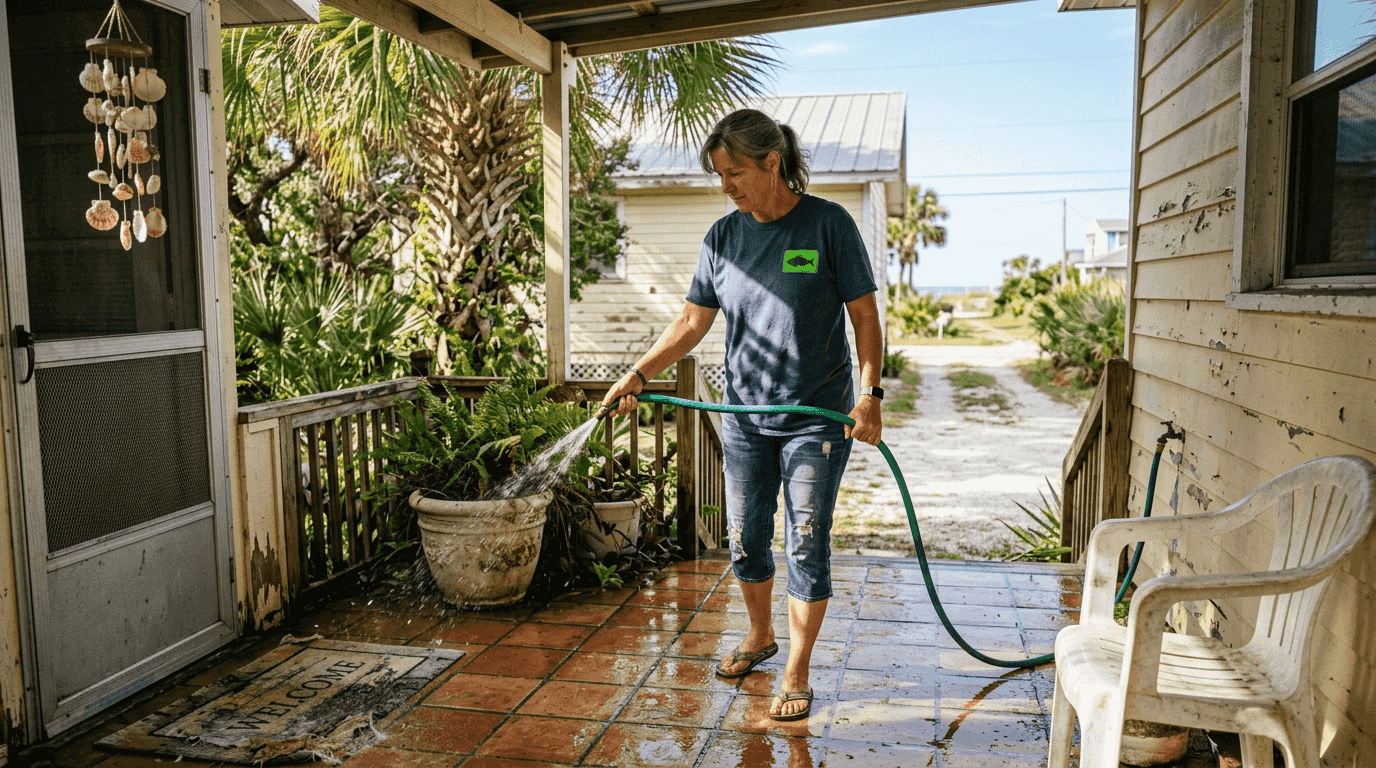
Most Citrus County homeowners believe exterior cleaning is cosmetic. The truth? Skipping seasonal maintenance can lead to $3,000 in damage from salt corrosion and moisture intrusion. Florida’s coastal climate accelerates wear on your home’s exterior faster than you think. This guide reveals how routine seasonal cleaning protects your investment, extends material lifespan, and prevents expensive repairs before they start.
Table of Contents
- How Salt Air Impacts Your Citrus County Home
- The Benefits Of Regular Seasonal Cleaning For Your Home’S Exterior
- Practical Seasonal Cleaning Tasks To Protect Your Home
- Comparing Cleaning Methods: Pressure Washing Vs Soft Washing
- Schedule Your Professional Seasonal Cleaning With White Diamond Pressure Washing
- Frequently Asked Questions
Key takeaways
| Point | Details |
|——-|———||
| Salt corrosion prevention | Seasonal cleaning stops salt buildup that corrodes gutters, roofs, and metal fixtures, preventing leaks and structural damage. |
| Mold and mildew control | Regular exterior washing reduces mold growth by eliminating the moisture and organic matter that fuel it in Florida’s humidity. |
| Extended finish lifespan | Routine maintenance can extend exterior paint and coatings by up to 50%, saving thousands in premature repainting costs. |
| Early damage detection | Seasonal inspections during cleaning catch moisture problems early, reducing repair costs by up to 60%. |
| HVAC efficiency boost | Cleaning salt deposits from condenser units maintains cooling efficiency and prevents premature equipment failure. |
How salt air impacts your Citrus County home
Living near Florida’s coast means your home battles invisible threats daily. Salt particles carried on ocean breezes settle on every exterior surface, creating a corrosive layer that accelerates deterioration. This isn’t just about aesthetics. Salt air can corrode metal roofing materials, causing leaks that damage insulation, drywall, and structural framing.
Your gutters face particular risk. Regular gutter maintenance is crucial because salt deposits combine with organic debris to create corrosive sludge. This mixture eats through aluminum and steel, creating holes that allow water to cascade down your foundation. The result? Soil erosion, foundation cracks, and basement flooding that could cost $5,000 to $15,000 to repair.
Concrete driveways and walkways suffer too. Salt intrusion weakens the concrete matrix, causing surface spalling and deep cracks. Research shows this deterioration can begin within 10 to 20 years in coastal environments. Once started, the damage accelerates exponentially.
Florida’s humidity compounds these problems:
- Mold and mildew thrive on damp exterior surfaces, creating black streaks on siding and roofs
- Algae growth makes walkways dangerously slippery
- Moisture penetration behind siding leads to wood rot and insect infestations
- Paint adhesion fails faster, requiring premature repainting
“The combination of salt air and high humidity creates the perfect storm for home exterior damage. What starts as surface grime quickly becomes structural deterioration.”
Understanding gutter cleaning water damage prevention becomes essential when you recognize how quickly these environmental factors compound. Seasonal cleaning interrupts this damage cycle before minor issues become major expenses.
The benefits of regular seasonal cleaning for your home’s exterior
Consistent seasonal cleaning delivers measurable protection against Citrus County’s harsh environment. Seasonal cleaning helps prevent mold and mildew growth by removing the organic material and moisture that feed these organisms. This isn’t just about appearance. Mold spores can penetrate porous surfaces, causing permanent staining and material degradation.
Early detection saves serious money. Professional cleaners spot warning signs during routine maintenance like loose flashing, cracked caulking, or bubbling paint. Addressing these issues immediately costs hundreds instead of thousands. Catching moisture intrusion before it rots your roof decking or wall studs can reduce repair costs by 60% or more.
Material preservation extends your home’s lifespan significantly. Regular cleaning and maintenance can extend exterior paint lifespan by up to 50% in humid environments. That means a paint job expected to last eight years could stretch to twelve, delaying a $8,000 repainting project by four years.
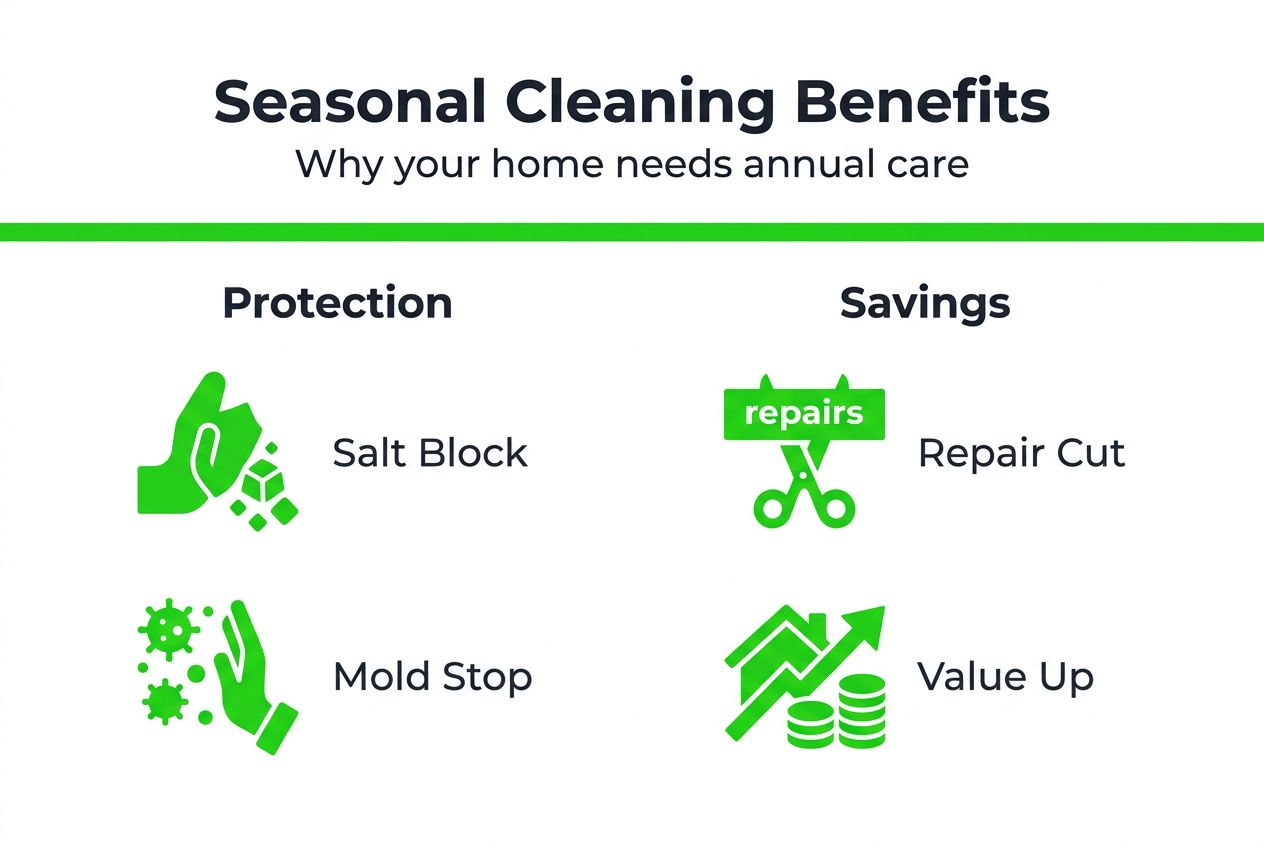
Your HVAC system benefits too. Salt buildup on outdoor condenser coils reduces heat transfer efficiency, forcing your system to work harder. This increases energy bills and accelerates wear on compressor components. A simple seasonal cleaning maintains peak efficiency and prevents premature equipment failure.
Additional benefits include:
- Protected outdoor furniture from salt air corrosion and UV damage
- Safer walkways with algae and mildew removed
- Enhanced curb appeal that maintains property value
- Reduced allergen accumulation around windows and doors
Pro Tip: Schedule cleaning after pollen season ends but before hurricane season peaks. This timing removes accumulated allergens while preparing your home’s exterior to withstand severe weather.
Implementing preventative exterior cleaning strategies transforms maintenance from reactive repairs to proactive protection. The investment in regular cleaning pays dividends through extended material life, lower energy costs, and avoided emergency repairs. Homeowners who boost paint life through pre-paint washing see significantly better adhesion and longevity from new coatings.
Practical seasonal cleaning tasks to protect your home
Effective seasonal maintenance follows a structured approach targeting your home’s most vulnerable areas. Start with these priority tasks:
- Gutter cleaning and inspection removes salt deposits, leaves, and debris that cause corrosion and overflow. Check for loose fasteners and proper pitch while cleaning.
- Exterior pressure washing eliminates mold, mildew, and salt buildup from siding, brick, and stucco. Focus on north-facing walls that receive less sun and stay damp longer.
- Roof soft washing removes algae and organic growth without damaging shingles. This prevents premature granule loss and extends roof life.
- HVAC condenser cleaning removes salt residue and debris from fins and coils, maintaining efficient heat transfer and reducing energy consumption.
- Driveway and walkway treatment removes oil stains, tire marks, and algae while identifying cracks needing sealant before they worsen.
- Window and screen maintenance clears salt film that blocks natural light and checks seals for moisture intrusion.
Annual pressure washing is ideal for homes in Florida’s warm, humid climate where mold, mildew, algae, and pollen accumulate rapidly. Homes in shaded areas or within one mile of saltwater benefit from cleaning every six to nine months. Direct sun exposure slows organic growth, allowing yearly intervals for most surfaces.
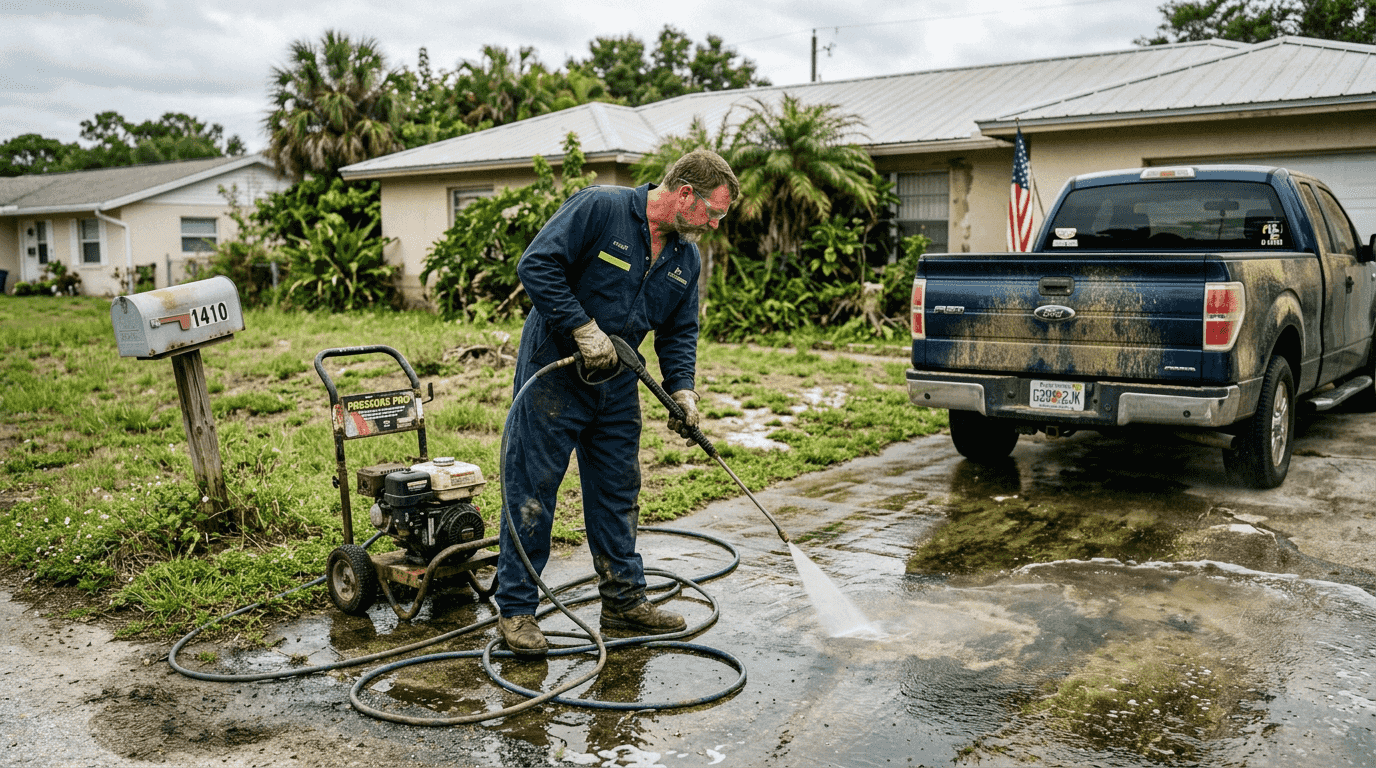
Routine freshwater rinsing between professional cleanings makes a difference. Simply hosing down exterior surfaces monthly reduces visible salt accumulation by approximately 30%, extending the time between deep cleanings.
| Service | Frequency | Average Cost | Damage Prevention Value |
|---|---|---|---|
| Gutter cleaning | 2x yearly | $150-$250 | Prevents $2,000-$8,000 foundation repairs |
| House pressure washing | Annually | $250-$400 | Avoids $5,000-$12,000 premature painting |
| Roof soft washing | Every 2-3 years | $300-$500 | Extends $15,000 roof replacement by 5+ years |
| Driveway cleaning | Annually | $100-$200 | Delays $3,000-$8,000 resurfacing |
Bundling services saves money. Many providers offer package discounts when you combine roof, house, and driveway cleaning. Skipping pressure washing can lead to costly repairs because accumulated grime traps moisture against surfaces, accelerating decay. A $300 annual cleaning prevents damage that could cost $3,000 or more to remediate.
Pro Tip: Document your cleaning schedule with photos. Before and after images help you track problem areas and provide valuable records for insurance claims or future home sales.
Following an annual pressure washing schedule for Citrus County ensures you address seasonal challenges at optimal times. Understanding the common exterior surfaces to clean helps you create a comprehensive maintenance plan that protects your entire property.
Comparing cleaning methods: pressure washing vs soft washing
Choosing the right cleaning method protects your home while delivering effective results. Pressure washing and soft washing serve different purposes and suit different surfaces.
Pressure washing uses high-pressure water streams, typically 1,500 to 3,000 PSI, to blast away dirt, grime, and stubborn stains. This method excels on durable surfaces like concrete driveways, brick pavers, and stone pathways. The forceful spray removes oil stains, tire marks, and deeply embedded dirt that gentler methods can’t touch.
Soft washing takes the opposite approach. It combines low-pressure water (under 500 PSI) with specialized cleaning solutions that break down organic growth chemically rather than mechanically. This gentler method safely cleans delicate surfaces like painted siding, asphalt shingle roofs, and vinyl trim without causing damage.
| Feature | Pressure Washing | Soft Washing |
|---|---|---|
| Water pressure | 1,500-3,000 PSI | Under 500 PSI |
| Best for | Concrete, brick, stone, metal | Roofs, siding, painted surfaces, wood |
| Cleaning mechanism | Mechanical force | Chemical breakdown |
| Mold/algae removal | Physical removal | Kills at root level |
| Risk of damage | Higher on delicate surfaces | Minimal when done correctly |
| Results duration | 6-12 months | 12-18 months (kills organisms) |
The coastal environment makes method selection critical. Choosing durable roofing materials like metal or tile helps withstand salt air corrosion, but even these materials need appropriate cleaning. Metal roofs should never face high-pressure washing, which can dent panels and strip protective coatings. Soft washing preserves the finish while removing corrosive salt deposits.
Key considerations when selecting methods:
- Surface material composition and age
- Type of contamination (organic growth vs mineral deposits)
- Paint or coating condition
- Proximity to saltwater exposure
- Previous damage or repairs
Pro Tip: Never pressure wash upward under siding or shingles. Water forced behind these barriers causes hidden moisture damage and mold growth inside wall cavities.
Understanding the differences between pressure vs power washing and soft washing vs power washing helps you make informed decisions. Professional cleaners assess each surface individually, selecting the method that delivers thorough cleaning without compromising material integrity. This expertise proves especially valuable for homes with mixed exterior materials requiring different approaches.
Schedule your professional seasonal cleaning with White Diamond Pressure Washing
Protecting your Citrus County home requires expertise in Florida’s unique coastal challenges. White Diamond Pressure Washing specializes in exterior cleaning tailored specifically for our region’s salt air and humidity. Our team understands which surfaces need gentle soft washing and which can handle pressure cleaning.

We implement preventative exterior cleaning strategies that stop damage before it starts, saving you thousands in future repairs. Our flexible scheduling works around your busy life, and our experienced staff uses industry-approved methods that protect your home’s materials while delivering exceptional results.
Ready to safeguard your investment? Following an annual pressure washing schedule keeps your home protected year round. Explore our complete range of cleaning services and schedule your seasonal maintenance today.
Frequently asked questions
How often should I schedule seasonal cleaning for my Citrus County home?
Most Citrus County homes benefit from professional exterior cleaning at least once annually. Properties within one mile of saltwater or heavily shaded by trees should schedule cleaning every six to nine months to combat accelerated mold growth and salt accumulation.
What’s the best time of year for exterior cleaning in Florida?
Late spring or early summer works best, after pollen season ends but before hurricane season peaks. This timing removes accumulated allergens and organic growth while preparing surfaces to withstand severe weather. A second cleaning in late fall addresses post-summer buildup.
Can I do seasonal cleaning myself or should I hire professionals?
Simple tasks like rinsing surfaces with a garden hose work for monthly maintenance. However, professional cleaning reaches high areas safely, uses appropriate pressure settings for each surface, and applies specialized solutions that kill mold at the root level, providing longer-lasting results.
Does seasonal cleaning really save money on repairs?
Absolutely. Regular cleaning that costs $300 to $500 annually prevents damage requiring thousands in repairs. Early detection during cleaning catches issues like loose flashing or failing caulk when fixes cost hundreds instead of thousands.
Will pressure washing damage my roof or siding?
Not when done correctly. Professional cleaners use soft washing for delicate surfaces like roofs and painted siding, applying low pressure with cleaning solutions. High-pressure washing gets reserved for durable surfaces like concrete and brick that can handle the force.
Recommended
- 7 Essential Tips for Your Spring Cleaning Exterior Checklist – white-diamond-pressure
- Preventative Exterior Cleaning: Protect Your Home – white-diamond-pressure
- Professional Cleaning Teams: 62% Less Property Damage in 2026 – white-diamond-pressure
- Annual Pressure Washing Schedule: Protecting Citrus County Homes – white-diamond-pressure
2 thoughts on “Why schedule seasonal cleaning for your home in 2026”