

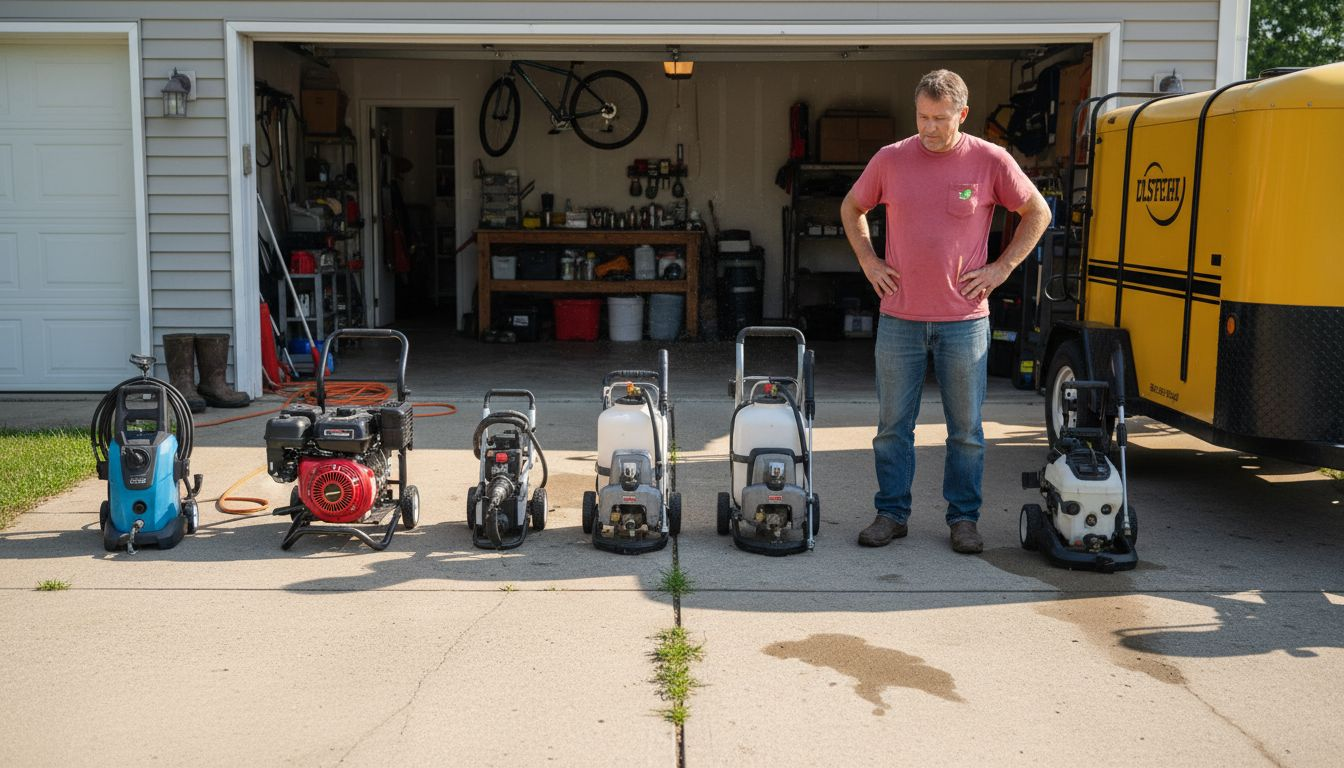
Outdoor cleaning projects can feel overwhelming when you are not sure which pressure washer is right for the job. With so many choices available, picking the wrong machine could waste your time, damage your surfaces, or leave tough stains behind. The good news is that choosing the best pressure washer for your Citrus County home is much simpler once you know what actually works for your needs.
You are about to discover the real-world differences between electric, gas, and cordless pressure washers, plus other specialized options. This list breaks down the practical benefits of each type so you can find the perfect match for decks, driveways, patios, and more. Get ready to understand how these cleaning tools can save you hours of effort and leave your property looking its best.
Table of Contents
- Electric Pressure Washers For Everyday Cleaning
- Gas Pressure Washers For Tough Outdoor Jobs
- Cordless Pressure Washers For Portable Use
- Cold Water Pressure Washers For General Maintenance
- Hot Water Pressure Washers For Stubborn Stains
- Soft Wash Systems For Delicate Surfaces
- Commercial-Grade Pressure Washers For Large Areas
Quick Summary
| Takeaway | Explanation |
|---|---|
| 1. Electric washers are quiet and low-maintenance | They operate at lower noise levels, ideal for residential use, and require less upkeep compared to gas models. |
| 2. Gas washers deliver high power for tough jobs | They provide greater pressure and efficiency for cleaning stubborn stains, making them suitable for heavy-duty outdoor tasks. |
| 3. Cordless washers offer portability without gas hassles | Their battery operation allows for maneuverability and convenience, perfect for quick cleaning jobs in hard-to-reach areas. |
| 4. Cold water machines are cost-effective for regular maintenance | They handle most routine cleaning needs efficiently without complex maintenance, suitable for general outdoor cleanliness. |
| 5. Soft wash systems protect delicate surfaces | Utilizing low pressure and chemicals, they effectively clean sensitive materials without causing damage, ideal for roofs and painted surfaces. |
1. Electric Pressure Washers for Everyday Cleaning
Electric pressure washers are your go-to solution for keeping your Citrus County home looking fresh without the hassle of professional services. These machines use an electric motor to power a pump that forces water at high pressure, making quick work of accumulated grime on decks, patios, walkways, and outdoor furniture. If you’re looking for a cleaner that’s quieter, easier to maintain, and perfect for lighter cleaning jobs around your property, an electric model delivers results that feel almost effortless.
What makes electric pressure washers stand out for everyday homeowners is their practical combination of convenience and affordability. Unlike gas-powered alternatives, electric models operate at a fraction of the noise level—meaning you can clean early morning or late afternoon without disturbing your neighbors. They’re typically lighter in weight and require minimal maintenance compared to gas engines, so you won’t spend your weekend troubleshooting fuel lines or spark plugs. The upfront cost is also considerably lower, making them an attractive choice if you’re new to pressure washing or simply want a reliable tool for regular home maintenance. Lighter and quieter pressure washing equipment often comes with thoughtful features like adjustable nozzles, built-in soap dispensers, and wheeled frames that let you maneuver around your property with minimal effort.
When you’re cleaning routine outdoor spaces, electric pressure washers excel at handling the specific surfaces found around most Citrus County homes. Your deck comes clean without splintering wood, your walkway sheds years of algae buildup, and patio furniture looks newly restored. These machines work particularly well on softer surfaces and materials that require a gentler touch—exactly what many residential properties need. The fact that you can simply plug them in, adjust the pressure setting to match your surface, and start cleaning means less prep work and more time enjoying your freshly cleaned outdoor spaces.
Pro tip: Start with the lowest pressure setting and test it on an inconspicuous area first, then increase pressure gradually until you achieve the cleaning power you need without damaging the surface.
2. Gas Pressure Washers for Tough Outdoor Jobs
When your driveway shows years of accumulated grime, oil stains, and weathering that electric washers simply cannot handle, a gas pressure washer becomes your most valuable tool. These machines deliver significantly more power than their electric counterparts by using a gas engine to operate the pump, generating higher PSI and flow rates that blast away stubborn dirt and grime in a fraction of the time. If you’re tackling large patios, heavily soiled driveways, or outdoor surfaces that have been neglected for years, a gas model provides the muscle you need to restore your property to like-new condition.
The real advantage of gas pressure washers lies in their raw power and efficiency for demanding jobs. These machines can generate substantially more pressure than electric models, allowing them to handle grease and oil residues that commonly accumulate on residential driveways and parking areas. For homeowners in Citrus County with larger properties or multiple outdoor areas needing serious cleaning, gas washers work faster and more effectively on concrete, brick, and other tough surfaces. You’ll notice the difference immediately when you’re cleaning a driveway that has endured Florida’s intense sun and seasonal moisture. The higher PSI means fewer passes over the same spot, which saves time and gets professional-grade results without hiring a cleaning service.
That said, gas pressure washers do come with trade-offs worth considering before you invest. These machines are heavier than electric models, louder during operation, and require more maintenance including oil changes, spark plug replacements, and seasonal tune-ups. They also need proper fuel storage and handling, which adds complexity to your home maintenance routine. However, if your property includes a large driveway, expansive patio areas, or surfaces covered in stubborn buildup, the power advantage justifies the extra effort. Many homeowners find that owning a gas model makes sense if they plan to use it multiple times per year for serious cleaning projects.
Pro tip: Store your gas pressure washer in a dry garage or shed, run it for a few minutes monthly during off-season storage, and use fuel stabilizer to prevent carburetor buildup that can damage the engine.
3. Cordless Pressure Washers for Portable Use
Cordless pressure washers represent the perfect middle ground for homeowners who want cleaning power without being tethered to an outlet or dealing with gas engine maintenance. These battery-operated machines eliminate the need for extension cords snaking across your yard or hauling a heavy gas-powered unit from one location to another. They operate on rechargeable batteries and offer approximately 40 minutes of cleaning time on a full charge, making them ideal for spot cleaning, touch-ups, and quick jobs around your Citrus County property.
The beauty of cordless models lies in their combination of convenience and genuine cleaning capability for lighter tasks. You can easily maneuver them around tight corners, up ladders, or to areas without easy access to power sources—something that traditional corded electric washers simply cannot do. While cordless washers typically have lower power output compared to corded and gas models, this is actually an advantage for many homeowners because you have better control and less risk of accidentally damaging delicate surfaces. These machines usually come equipped with multiple spray settings and built-in detergent tanks, allowing you to adjust your cleaning approach based on the surface you’re working on. For quick cleanups of outdoor furniture, garden equipment, or small patio sections, cordless pressure washers offer excellent portability without sacrificing practical results.
What makes cordless washers particularly valuable for homeowners is their simplicity and low maintenance requirements. You don’t need to worry about fuel storage, spark plugs, or seasonal tune-ups like you would with gas models. There’s no complicated startup procedure or the noise that disturbs neighbors early in the morning. Simply charge your battery overnight, grab the washer, and you’re ready to tackle whatever outdoor cleaning challenge comes your way. They’re compact enough to store in a garage corner without taking up significant space, and they’re light enough for anyone to handle comfortably. If you find yourself frequently needing to clean outdoor spaces throughout your property but don’t want the commitment of a full-sized gas washer, a cordless model delivers practicality and freedom of movement.
Pro tip: Invest in a second battery so you can charge one while using the other, giving you extended cleaning time without interruption for projects that exceed the 40-minute runtime.
4. Cold Water Pressure Washers for General Maintenance
Cold water pressure washers are the workhorse of residential cleaning, handling the majority of routine maintenance tasks that keep your Citrus County home looking well maintained throughout the year. These machines use unheated water forced through a nozzle at high pressure to remove dirt, pollen, mildew, and general grime from virtually any exterior surface. Unlike their hot water counterparts, cold water washers are more affordable to purchase, simpler to operate, and require significantly less maintenance, making them the most practical choice for homeowners who want reliable cleaning without complicated upkeep.
What makes cold water pressure washers so effective for general maintenance is their versatility across different surfaces around your property. You can confidently use them on siding, gutters, roofs, decks, windows, and walkways without worrying about the water temperature damaging materials or coatings. Cold water is actually preferable for many cleaning applications because it’s gentler on delicate surfaces while still delivering impressive cleaning power. These washers excel at removing dirt, mud, loose debris, and organic growth like algae and light mildew. They work well on most residential exterior materials and do an outstanding job keeping your home’s appearance fresh and inviting. The difference between various cleaning methods becomes clear when you understand that cold water systems are ideal for regular maintenance where you’re not battling heavy grease or oil buildup.
The practical advantage of choosing a cold water pressure washer comes down to simplicity and cost effectiveness. These machines are typically electric-powered, which means no gas to buy, no engine maintenance, and no seasonal preparation or storage issues. You simply plug in, turn it on, and start cleaning. Because they don’t require heating elements or complex fuel systems, they’re lighter and more maneuverable than hot water models, making extended cleaning sessions less tiring. For most homeowners, a cold water pressure washer handles roughly 90 percent of their exterior cleaning needs throughout the year. If your cleaning challenges involve mostly dirt, debris, pollen, and general weathering rather than tough grease or oil stains, a cold water system is exactly what you need.
Pro tip: Clean your gutters and downspouts with cold water pressure washing at the beginning of fall to prevent debris buildup and water damage before the rainy season arrives.
5. Hot Water Pressure Washers for Stubborn Stains
When your driveway shows years of oil stains, grease buildup, or stubborn residues that cold water simply cannot touch, a hot water pressure washer becomes your most effective solution. These machines use a burner unit to heat the water before forcing it through the nozzle, creating a powerful combination that breaks down and emulsifies grease and oil far more effectively than cold water alone. If you’re dealing with the kinds of tough stains that resist every other cleaning method, a hot water pressure washer delivers the results you need without requiring harsh chemicals or extensive scrubbing.
The science behind hot water pressure washing is straightforward yet remarkably effective. Heat naturally breaks the molecular bonds that hold grease and oil to surfaces, allowing the pressurized water to wash away residues that would otherwise cling stubbornly to concrete, asphalt, and other materials. This means you can tackle demanding cleaning jobs in less time and with greater efficiency than cold water methods. For homeowners in Citrus County with oil stains on driveways from vehicle leaks, grease buildup from outdoor cooking areas, or other tough residues, hot water pressure washers provide superior cleaning power that makes visible differences immediately. The heated water does the heavy lifting, so you spend less time fighting stubborn stains and more time enjoying your cleaned surfaces.
Understanding when to use a hot water pressure washer helps you make smart decisions about your cleaning investments. These machines are more expensive to purchase than cold water models because of their burner components, and they require additional maintenance to keep the heating system functioning properly. However, the investment makes sense if you regularly encounter grease, oil, or other stubborn stains that cold water cannot handle effectively. Many homeowners find that renting a hot water washer for specific challenging projects is more practical than owning one outright, allowing you to access powerful cleaning equipment when needed without long-term maintenance responsibility. If your property includes areas prone to grease accumulation, automotive stains, or weathered buildup that resists standard cleaning, hot water pressure washing transforms seemingly permanent stains into successfully cleaned surfaces.
Pro tip: Allow oil stains to sit for a few minutes after applying a degreasing soap and before power washing, as this gives the heat and soap time to begin breaking down the oils for more complete removal.
6. Soft Wash Systems for Delicate Surfaces
Soft wash cleaning represents a completely different approach from traditional pressure washing, using low-pressure water combined with specialized cleaning agents and disinfectants to safely clean surfaces that cannot tolerate high-pressure spray. This method is ideal for delicate materials found around your Citrus County home such as roof shingles, painted siding, stucco, and other surfaces where aggressive pressure would cause damage, discoloration, or deterioration. If you’ve worried about pressure washing damaging your home’s exterior, soft wash systems offer the solution by cleaning effectively while preserving the integrity of your surfaces.
The soft wash approach works by applying cleaning agents at low pressure and allowing the specialized detergents to do the heavy lifting rather than relying solely on water pressure. These systems use formulations designed to eliminate algae, mildew, mold, and other organic contaminants while remaining safe for sensitive materials and finishes. The key difference from standard pressure washing is that soft wash focuses on effective microbial reduction and chemical breakdown of contaminants rather than physical force to blast surfaces clean. Understanding soft wash cleaning methods helps you recognize when this gentler approach outperforms traditional pressure washing for specific cleaning challenges. For homeowners concerned about damaging roof coatings, wood siding, or delicate landscaping elements near cleaning areas, soft wash delivers superior results without the risks associated with high-pressure water blasts.
The practical advantages of soft wash systems make them invaluable for residential properties with challenging surfaces or special preservation needs. Roofs benefit tremendously from soft wash because it removes moss, algae, and organic growth without damaging shingles or compromising the protective coating. Painted surfaces, wooden decks, and stucco walls all respond better to soft wash than to aggressive pressure washing. The process is also more environmentally responsible because it uses less water overall while achieving superior cleaning results through chemical action rather than pure force. If you’re cleaning your home’s exterior for the first time, soft wash prevents the costly mistakes that can occur when homeowners rent pressure washers without understanding pressure limits for different materials. Many homeowners find that hiring a professional soft wash service saves them from accidentally damaging their property while achieving professional-quality cleaning results.
Pro tip: Schedule soft wash cleaning in spring or early fall when temperatures are moderate and allow the cleaning solution to dwell on the surface for the recommended time before rinsing, typically 15 to 30 minutes, for maximum effectiveness.
7. Commercial-Grade Pressure Washers for Large Areas
Commercial-grade pressure washers operate in an entirely different category than residential equipment, designed specifically for cleaning expansive areas like office building exteriors, parking lots, school campuses, and industrial facilities. These machines deliver significantly higher flow rates measured in gallons per minute and pressures measured in PSI compared to homeowner models, often incorporating truck-mounted systems with hot water capabilities. If you own a larger property in Citrus County or manage a commercial space that requires professional-level cleaning, understanding commercial-grade equipment helps you recognize when professional services become not just convenient but necessary for achieving results that residential equipment simply cannot match.
The engineering behind commercial-grade pressure washers reflects their demanding applications and extended usage requirements. These machines are built with heavy-duty components that withstand continuous operation for extended periods without performance degradation. They typically feature multiple hoses that allow simultaneous cleaning operations, surface cleaners that accelerate large-area work, and integrated hot water systems for tackling grease and stubborn buildup on expansive surfaces. The higher flow rates mean you cover significantly more square footage in less time compared to residential models, reducing labor costs and project timelines dramatically. When choosing professional pressure washing services, you benefit from operators trained to work with commercial equipment safely and efficiently while achieving consistent, professional-quality results across large areas.
For most homeowners, commercial-grade equipment represents overkill for residential cleaning needs, which is why professional service providers maintain these expensive machines for projects that justify their power and capability. Renting commercial equipment for a one-time project typically costs significantly more than hiring professionals who already own and maintain the machinery. However, if you manage a commercial property, oversee a homeowners association with extensive common areas, or operate a business with large outdoor spaces, investing in commercial-grade equipment or hiring professional services becomes a smart business decision. These systems handle heavy-duty jobs efficiently, reduce the number of person-hours required for cleaning, and deliver the polished appearance that commercial properties demand. The professional-level results, combined with the speed and efficiency of commercial-grade equipment, often justify the expense through improved property appearance and preservation.
Pro tip: For large residential projects, compare the cost of equipment rental plus operator time against hiring a professional commercial pressure washing service, as professionals often complete the job faster and more effectively due to their experience and specialized equipment.
Below is a comprehensive table summarizing the key features, benefits, and applications of various pressure washer types as discussed in the article.
| Type of Washer | Primary Features | Best Applications |
|---|---|---|
| Electric | Quiet, lightweight, low maintenance; uses electric power. | Ideal for light residential cleaning such as patios and furniture. |
| Gas | Higher power and pressure, suitable for intense tasks. | Effective for larger areas and tougher stains like driveways and brick surfaces. |
| Cordless | Battery-operated; portable and convenient. | Perfect for spot cleaning and mobility-required tasks. |
| Cold Water | Uses unheated water; more affordable and lightweight. | Suitable for general exterior cleaning tasks without severe buildup. |
| Hot Water | Utilizes heated water for advanced cleaning power. | Best for cleaning grease, oil, and stubborn organic buildup. |
| Soft Wash | Low pressure with cleaning agents for delicate surfaces. | Designed for roofs, painted surfaces, and similar sensitive materials. |
| Commercial | High pressure and flow; larger equipment. | Tailored for expansive or industrial-grade cleaning needs. |
Find the Perfect Pressure Washing Solution for Your Citrus County Home
Choosing the right pressure washer can feel overwhelming when faced with so many options like electric, gas, cordless, cold water, hot water, or soft wash systems. This article highlights common challenges such as protecting delicate surfaces, eliminating stubborn stains, and balancing power with ease of use. At White Diamond Pressure Washing, we understand these pain points and specialize in tailored exterior cleaning solutions that keep your property looking its best while preserving materials.
Experience trusted expertise in soft washing and pressure washing techniques customized to your needs. Whether you need gentle cleaning for your roof or a deep restoration for your driveway, our professional team uses industry-approved methods and top-tier cleaning products for safe, reliable results. Learn more about our full range of services and how we handle tough stains or delicate surfaces with care on our website.

Ready to say goodbye to grime and hello to a refreshed home exterior? Get a free estimate or book your service today with White Diamond Pressure Washing and see firsthand why Citrus County homeowners trust us for professional, high-quality pressure washing. Visit Book Now to schedule your appointment and start enjoying a cleaner, safer outdoor space.
Frequently Asked Questions
What is the difference between electric and gas pressure washers?
Electric pressure washers are quieter and easier to maintain, making them ideal for light cleaning tasks around the home. In contrast, gas pressure washers provide significantly more power, making them better suited for tough outdoor jobs like removing oil stains from driveways or cleaning heavily soiled patios.
How do I choose the right pressure washer for my home cleaning needs?
To select the best pressure washer, assess the types of surfaces you’ll be cleaning. For lighter tasks like washing outdoor furniture or smaller patios, an electric or cordless model is practical, while gas pressure washers are ideal for tougher jobs like cleaning large driveways or concrete surfaces.
Can I use a pressure washer on my roof without damaging it?
Yes, but using a soft wash system is advisable for delicate surfaces such as roofs. This method utilizes low pressure combined with cleaning agents to effectively remove algae and mold without causing damage to roofing materials.
How often should I perform maintenance on my gas pressure washer?
Regular maintenance for a gas pressure washer is essential and includes checking the oil, cleaning or replacing filters, and inspecting hoses and connections. Aim for a maintenance check before major cleaning seasons or after every 10-15 hours of usage to ensure optimal performance.
What are the benefits of using a hot water pressure washer?
Hot water pressure washers effectively break down and emulsify stubborn grease and oil stains, making them suitable for heavy-duty cleaning jobs. If you often deal with tough stains, consider using a hot water washer, as it can reduce cleaning time by up to 50% compared to cold water models.
How do I safely operate a pressure washer to avoid injuries?
Always read the manufacturer’s instructions and wear appropriate safety gear, such as goggles and gloves. Before starting, familiarize yourself with the pressure settings and practice using the nozzle on a low pressure setting to maintain control while cleaning.
One thought on “7 Types of Pressure Washers Every Homeowner Should Know”