

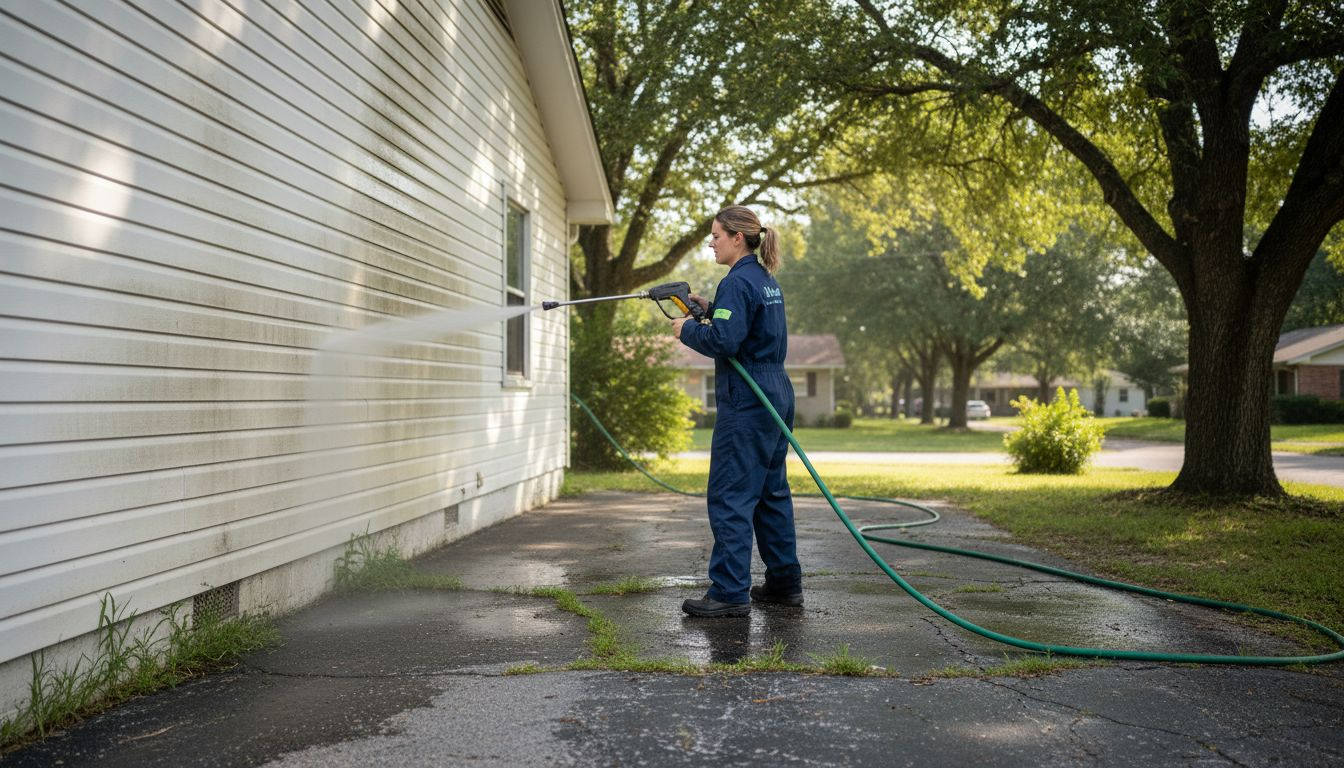
Stained driveways, streaked roofs, and moldy siding are all-too-common sights for homeowners in Citrus County, especially with Florida’s humid air fueling rapid buildup outside. Maintaining your home’s exterior takes more than a quick scrub or garden hose. Pressure washing harnesses powerful water spray to remove tough grime, mold, and dirt that threaten your property’s look and integrity. Discover how understanding pressure washing can help preserve surfaces, lower repair costs, and keep your home looking its best year round.
Table of Contents
- Understanding Pressure Washing And Its Purpose
- Types Of Pressure Washing And Key Techniques
- Major Surfaces Pressure Washing Protects
- Preventing Damage And Preserving Property Value
- Risks, Costs, And Common Mistakes To Avoid
Key Takeaways
| Point | Details |
|---|---|
| Effectiveness of Pressure Washing | Pressure washing removes damaging buildup like mold and grime, preserving your home’s exterior and extending material life. |
| Types of Pressure Washers | Hot water washers handle tough grease, while cold water models are effective for general cleaning of most surfaces. |
| Regular Maintenance | Scheduling annual pressure washing helps prevent costly repairs, enhancing curb appeal and maintaining property value. |
| Importance of Professional Services | Using the correct techniques and equipment, professional washers mitigate risks of damage and ensure effective results. |
Understanding Pressure Washing and Its Purpose
Pressure washing, also called power washing, is fundamentally about using high pressure water spray to strip away buildup that damages your home’s exterior. Think of it as a targeted cleaning method that goes beyond what a regular garden hose can accomplish. When you turn on a typical hose, water flows at around 40 to 60 pounds per square inch (PSI). Pressure washers operate at 1,500 to 4,000 PSI depending on the equipment type, which means they can remove loose paint, mold, grime, dust, mud, and dirt far more effectively than manual scrubbing ever could. For homeowners in Citrus County dealing with Florida’s humid climate, this capability matters tremendously because moisture accelerates the growth of mold and mildew on siding, driveways, and roofs.
The real purpose of pressure washing in preventive maintenance is stopping damage before it becomes expensive. When grime accumulates on your driveway, it’s not just an eyesore. That buildup traps moisture against the concrete surface, leading to cracks that expand with freeze-thaw cycles and eventually create potholes. Similarly, mold and algae growing on your roof shorten the lifespan of shingles by years. Regular pressure washing removes these threats at their source, keeping surfaces clean and dry. There are two main types of equipment available, hot water and cold water pressure washers, each suited to different tasks. Cold water works well for most residential surfaces like concrete and wood siding, while hot water pressure washing excels at cutting through grease and stubborn deposits. Professional pressure washing techniques emphasize proper nozzle selection, appropriate pressure settings for each surface, and safe handling to protect both your property and the person operating the equipment.
What makes pressure washing such an effective preventive tool is that it addresses the root causes of exterior deterioration. Mold spores, algae, and dirt don’t just make your home look neglected. They actively degrade materials, trap moisture, and invite pest infestations. By scheduling regular pressure washing, typically once or twice a year depending on your local environment, you’re essentially extending the life of your driveway, deck, siding, and roof. Homeowners who maintain their exteriors this way report fewer costly repairs down the road and significantly better curb appeal when they decide to sell.
Pro tip: Schedule pressure washing during dry seasons in Citrus County, ideally fall or early spring, to prevent algae and mold from quickly recolonizing freshly cleaned surfaces.
Types of Pressure Washing and Key Techniques
Pressure washing comes in two main varieties, and choosing between them depends entirely on what you’re cleaning. Hot water pressure washing uses heated water combined with high pressure to break down stubborn substances like grease, oil, and baked-on dirt. You’ll find this method most useful for concrete driveways stained with oil or parking areas where buildup has accumulated over time. Cold water pressure washing, on the other hand, is your go-to for most residential surfaces around your Citrus County home. Cold water systems work effectively for residential cleaning like siding, roofs, and windows where you don’t need the added heat. The key difference isn’t just temperature, it’s the type of work you’re tackling. If your driveway is simply dirty from weather and traffic, cold water handles the job perfectly. If it’s stained with grease or oil, hot water makes quick work of it without requiring aggressive scrubbing that could damage the surface.
What truly separates amateur results from professional-quality cleaning is understanding nozzles and pressure settings. Pressure washers pump water at different intensities, and selecting the right pressure and nozzle is crucial to avoid damaging your surfaces. Most residential equipment includes nozzles with different spray angles, typically ranging from 0 degrees for concentrated force to 40 degrees for broader coverage. Using a 0-degree nozzle on wood siding would gouge the material. Using a 40-degree nozzle on caked mud might not do much cleaning. Professional technicians know which nozzle works for roof cleaning, which for wood decks, and which for concrete. Another game-changer is the surface cleaner attachment, which distributes pressure evenly across large flat areas like driveways and patios. Instead of creating striped patterns from side-to-side sweeping, a surface cleaner gives you uniform, professional-looking results in half the time. Gas-powered equipment delivers more raw pressure than electric models, making it suitable for heavy-duty commercial applications, while electric pressure washers work perfectly for routine residential maintenance.
The technique matters as much as the equipment itself. Never stand in one spot letting the water stream hit the same area repeatedly, as this creates uneven cleaning and potential damage. Move the nozzle in smooth, overlapping strokes, keeping the spray at a consistent distance from the surface. For most residential work, maintain about 12 to 18 inches between the nozzle and the surface. When dealing with delicate materials like roof shingles or older wood siding, that distance increases to 24 inches or more. Professional pressure washing services in Citrus County understand these nuances and adjust their approach based on your home’s specific materials and condition. Many equipment models now include built-in soap tanks that allow you to apply cleaning solutions before the high-pressure rinse, which boosts effectiveness without requiring extra equipment.
Pro tip: Always start pressure washing at the highest nozzle angle and lowest pressure setting for your task, then increase intensity only if needed, since you can always add more pressure but you cannot undo surface damage.
Here’s a quick comparison of hot water and cold water pressure washing for homeowners:
| Pressure Washing Type | Best For | Typical Uses | Limitations |
|---|---|---|---|
| Hot Water | Grease, oil, tough grime | Commercial lots, oily driveways | Higher cost, more energy required |
| Cold Water | Dirt, mold, general cleaning | Residential siding, decks, roofs | Less effective on heavy grease |
Major Surfaces Pressure Washing Protects
Your home’s exterior consists of several distinct surfaces, each vulnerable to different types of damage and each benefiting significantly from regular pressure washing. Concrete driveways and walkways face constant assault from vehicle weight, weather, and accumulated grime that traps moisture and accelerates deterioration. Pressure washing removes that buildup before it creates cracks that expand and develop into expensive repairs. Wooden decks and patios absorb moisture from rain and humidity, leading to rot, mold, and wood-eating insect infestations if left unattended. Regular pressure washing keeps these surfaces dry and prevents the fungal growth that compromises structural integrity. Roof shingles collect algae and moss that retain moisture and shorten shingle lifespan dramatically, sometimes by years. Pressure washing cleans residential features like roofs, decks, paved areas, and siding, all of which benefit from this preventive approach. For Citrus County homes dealing with Florida’s humidity and salt air, roof maintenance becomes even more critical because the coastal environment accelerates algae growth and mineral deposit accumulation.
Home siding and cladding require attention because they’re your first line of defense against weather intrusion. Whether your home features vinyl, fiber cement, or traditional wood siding, mold and algae growth not only looks terrible but can actually damage the material underneath. Pressure washing removes these threats before they cause permanent discoloration or structural damage. Gutters and downspouts collect debris that traps moisture against your home’s fascia and foundation. When gutters clog with leaves and sediment, water backs up and can cause serious water damage to your roof and interior walls. Pressure washing clears gutters and removes the grime that accumulates along their exterior. Windows and window frames accumulate mineral deposits from hard water spray and environmental contaminants that build up over time. Clean windows improve your home’s appearance dramatically and allow more natural light into your living spaces. These surfaces work together as a system, and neglecting any one of them creates a cascade of problems that eventually become costly.
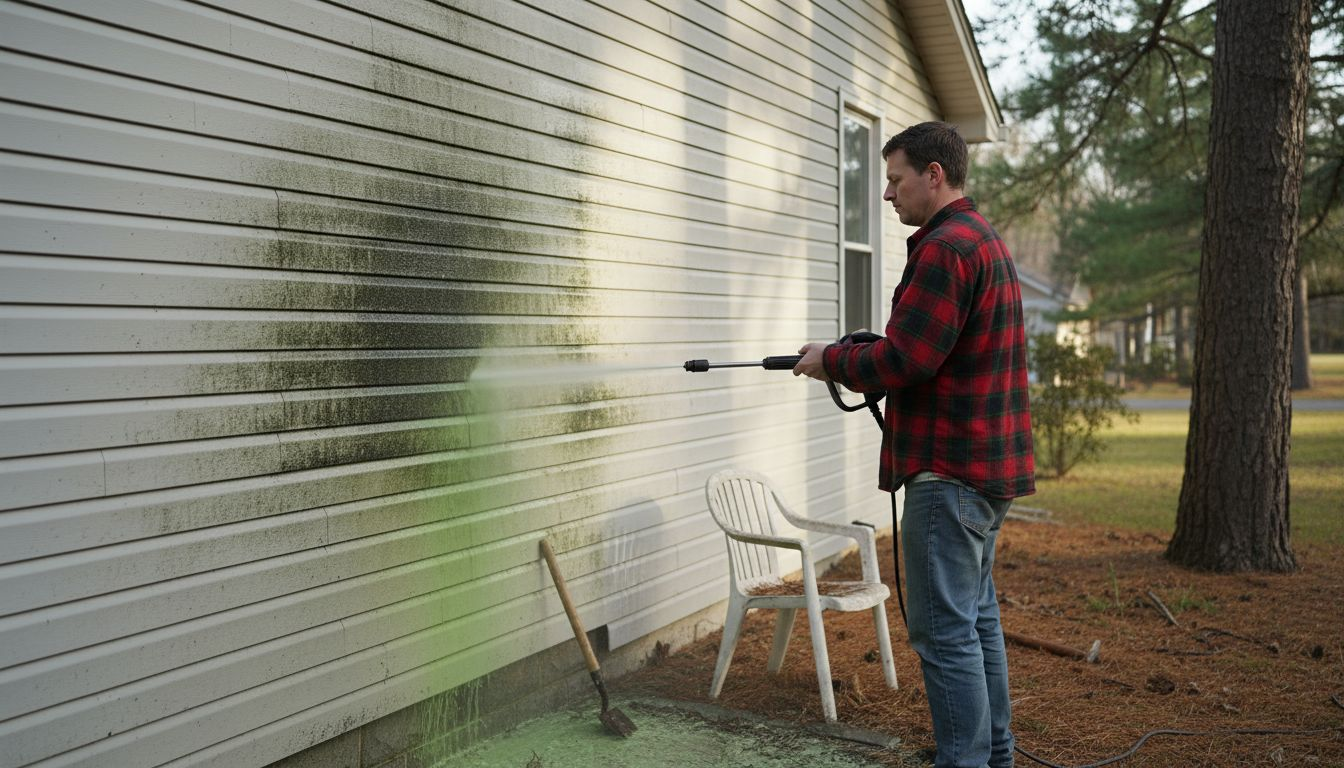
What makes pressure washing so valuable for preventive maintenance is that it stops problems at their source before they migrate deeper into your home’s structure. A dirty driveway isn’t just an eyesore; it’s a ticking time bomb for concrete failure. Algae on your roof isn’t cosmetic; it’s actively feeding on your shingles. Siding coated with mold isn’t surface level; mold colonies can penetrate and damage the materials beneath. By scheduling regular pressure washing, typically once or twice annually depending on your local climate conditions, you address all these surfaces simultaneously and prevent the interconnected problems that make home maintenance expensive. Homeowners who take this preventive approach consistently report lower overall maintenance costs and better property values when they eventually sell.
Pro tip: Focus your pressure washing schedule on high-moisture areas like shaded sides of your home and roof valleys where algae thrives fastest, rather than treating all surfaces equally.
This summary table outlines major home surfaces protected by pressure washing and their vulnerabilities:
| Surface Type | Main Threats | Benefit of Pressure Washing |
|---|---|---|
| Concrete Driveway | Moisture, grime, cracks | Prevents potholes, prolongs life |
| Wood Deck/Patio | Mold, rot, insects | Stops decay, maintains structure |
| Roof Shingles | Algae, moss, moisture | Extends shingle lifespan |
| Siding/Cladding | Mold, algae, stains | Preserves appearance, avoids damage |
| Gutters | Debris, water backup | Prevents leaks, foundation damage |
| Windows/Frames | Mineral deposits, dirt | Improves light, increases appeal |
Preventing Damage and Preserving Property Value
Your home represents one of the largest financial investments you’ll ever make, which is why neglecting its exterior maintenance feels counterintuitive. Yet many homeowners skip regular pressure washing, thinking they’re saving money when they’re actually allowing damage to compound. Every time mold, algae, or dirt sits on your siding, concrete, or roof, it’s actively working against your property’s longevity and resale value. Pressure washing removes harmful contaminants like dirt, algae, and mildew that embed themselves into surfaces and cause rot, cracking, and permanent stains. The difference between a home that looks maintained and one that looks neglected often comes down to whether the exterior receives regular cleaning. When potential buyers drive up to your property, they notice immediately if your driveway is stained, your roof shows dark streaks of algae, or your siding looks dingy. These visual cues trigger concerns about overall maintenance even if the underlying structure is solid.
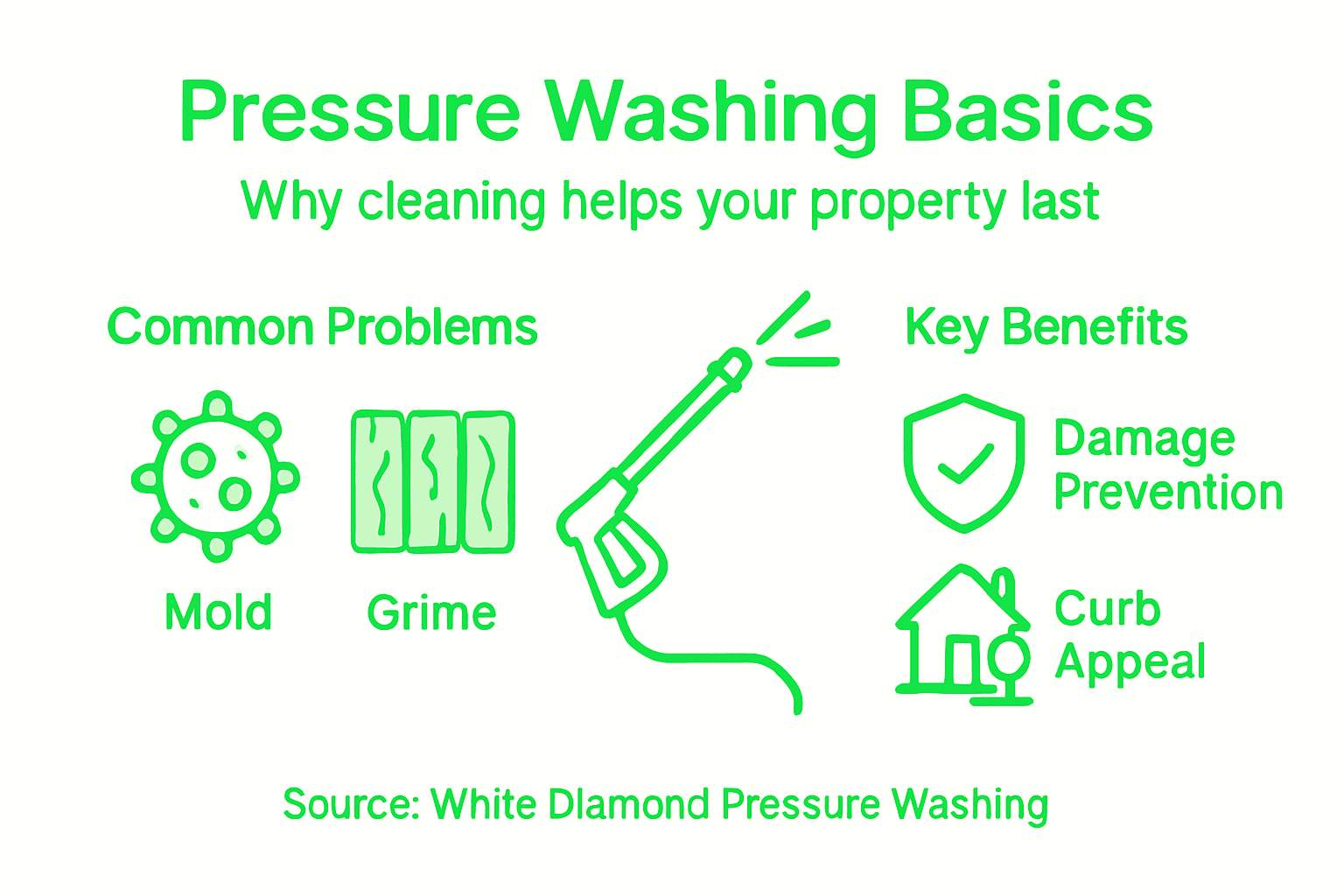
The financial impact of preventive pressure washing becomes clearer when you consider repair costs for deferred maintenance. A driveway that cracks from moisture retention might cost $1,000 to $3,000 to replace entirely, versus $200 to $300 for annual pressure washing to prevent those cracks from forming in the first place. Roof shingles deteriorated by algae and moss buildup cost $8,000 to $20,000 to replace, while regular cleaning extends their life by years at minimal cost. Wood rot on a deck or siding develops silently beneath the surface until the damage becomes visible and expensive. Pressure washing preserves material integrity and extends surface life, protecting your investment before problems take root. For Citrus County homes, the humid subtropical climate accelerates deterioration significantly, making preventive maintenance not optional but essential. The salt air near coastal areas compounds the problem by creating mineral deposits and accelerating corrosion on metal components.
When it comes time to sell your home, curb appeal directly affects buyer perception and final sale price. Real estate professionals consistently report that homes with clean, well-maintained exteriors sell faster and command higher prices than comparable homes with dirty, neglected exteriors. A fresh pressure washing before listing can boost perceived value by thousands of dollars at a cost of just a few hundred. Buyers interpret a clean exterior as a sign of overall property care, making them more confident in their purchase. Beyond immediate sale value, regular maintenance keeps your home in better condition year after year, reducing the total cost of homeownership over decades. This isn’t about vanity or keeping up appearances. It’s about making smart financial decisions that protect one of your largest assets from preventable damage.
Pro tip: Document your pressure washing schedule and results with photos, creating a maintenance record that demonstrates to future buyers that you’ve properly cared for your property.
Risks, Costs, and Common Mistakes to Avoid
Pressure washing looks straightforward until you’re standing in front of your home holding equipment that operates at 2,000 to 4,000 PSI. That’s where most DIY disasters begin. The high pressure that makes pressure washing effective also makes it dangerous when handled incorrectly. Pressure washers can cause injury or surface damage if misused, and the consequences range from minor to catastrophic. Using too much pressure on wood siding strips away the protective finish and gouges the material itself, creating soft spots where water penetrates and rot develops. Choosing the wrong nozzle angle on delicate surfaces like roof shingles or painted trim can remove not just dirt but also the protective coating underneath. And improper technique, like holding the spray nozzle at an angle or standing too close to the surface, creates uneven damage that’s expensive to repair. For homeowners in Citrus County, the temptation to tackle pressure washing yourself is real, especially when DIY equipment rental seems cheaper than professional service. That calculation changes quickly when you factor in the cost of repairing water damage, replacing damaged siding, or dealing with injury.
The financial risks extend beyond surface damage. Common pressure washing mistakes include using too high pressure and incorrect nozzle selection, both of which lead to expensive repairs. A single mistake on your roof could cost $500 to $2,000 in shingle replacement. Damaging vinyl siding means replacing entire sections at $300 to $1,000 per section. Wood deck damage from improper pressure can require sanding, staining, and sealing, easily exceeding $2,000 for a medium-sized deck. Then there’s the cost of the equipment itself, water usage, and cleaning solution, which adds up if you’re tackling multiple surfaces. Professional pressure washing services spread these costs across many clients, making them more economical for individual homeowners. Beyond financial costs, there’s the safety dimension. High pressure water jets can cause lacerations, eye injuries, and lost fingers if proper precautions aren’t taken. The power of the equipment makes safety gear non-negotiable, not optional.
Avoid these common mistakes by understanding what you’re dealing with. First, never assume one pressure setting works for all surfaces. Wood requires lower pressure than concrete. Roofing material needs different treatment than siding. Second, resist the urge to get results faster by increasing pressure or moving closer to the surface. Work patiently and systematically. Third, test your approach on an inconspicuous area before cleaning high-visibility surfaces. Fourth, weather matters. Pressure washing on extremely hot days can cause streaking. Washing before rain means your work becomes undone. Fifth, PWNA training emphasizes avoiding over pressurizing and using wrong detergents, both of which compromise results and damage property. The safest approach for Citrus County homeowners is hiring professionals who understand local climate challenges, material types common to the area, and industry best practices. Professional services carry liability insurance to cover any damage, provide experienced operators who know proper technique, and guarantee results without the risk.
Pro tip: If you decide to rent pressure washing equipment, start with the lowest pressure setting and work your way up on a hidden test area, never starting at maximum power on visible surfaces.
Protect Your Citrus County Home with Expert Pressure Washing
If you want to prevent costly damage from moisture, mold, and grime buildup outlined in the article, professional pressure washing is your best defense. At White Diamond Pressure Washing we specialize in safe and effective exterior cleaning solutions tailored for Citrus County properties. Our expertise in low-pressure and soft washing techniques ensures your roof, siding, driveway, and decks are cleaned thoroughly without risking surface damage. This preventive maintenance will extend the life of your home’s major surfaces and preserve your property’s value.

Ready to stop deterioration before it starts? Visit White Diamond Pressure Washing now to book your service or get a free estimate. Our experienced team uses industry-approved methods ensuring reliability and professionalism every step of the way. Don’t wait until small stains or algae grow into expensive repairs schedule your pressure washing today and experience the difference of expert care tailored specifically for Citrus County homes.
Frequently Asked Questions
What is the main purpose of pressure washing in preventive maintenance?
Pressure washing is primarily used to remove dirt, mold, and other buildups from your home’s exterior, which helps prevent damage before it becomes costly.
How often should I schedule pressure washing for my home?
It’s generally recommended to pressure wash your home once or twice a year, depending on your local climate conditions and the amount of dirt or grime buildup.
What are the key differences between hot water and cold water pressure washing?
Hot water pressure washing is ideal for breaking down tough substances like grease and oil, while cold water pressure washing is effective for general cleaning of most residential surfaces without the need for heat.
What surfaces can benefit from pressure washing?
Pressure washing can be beneficial for various surfaces, including concrete driveways, wooden decks, roofs, home siding, gutters, and windows, as it helps to remove contaminants that can cause damage.
6 thoughts on “Role of Pressure Washing in Preventive Maintenance”