

TL;DR:
- Irregular exterior cleaning can cause hidden damage and escalate repair costs.
- Properly scheduled cleaning complies with water restrictions and maintains property value.
- Expert planning ensures efficient, damage-free cleaning within Citrus County’s water guidelines.
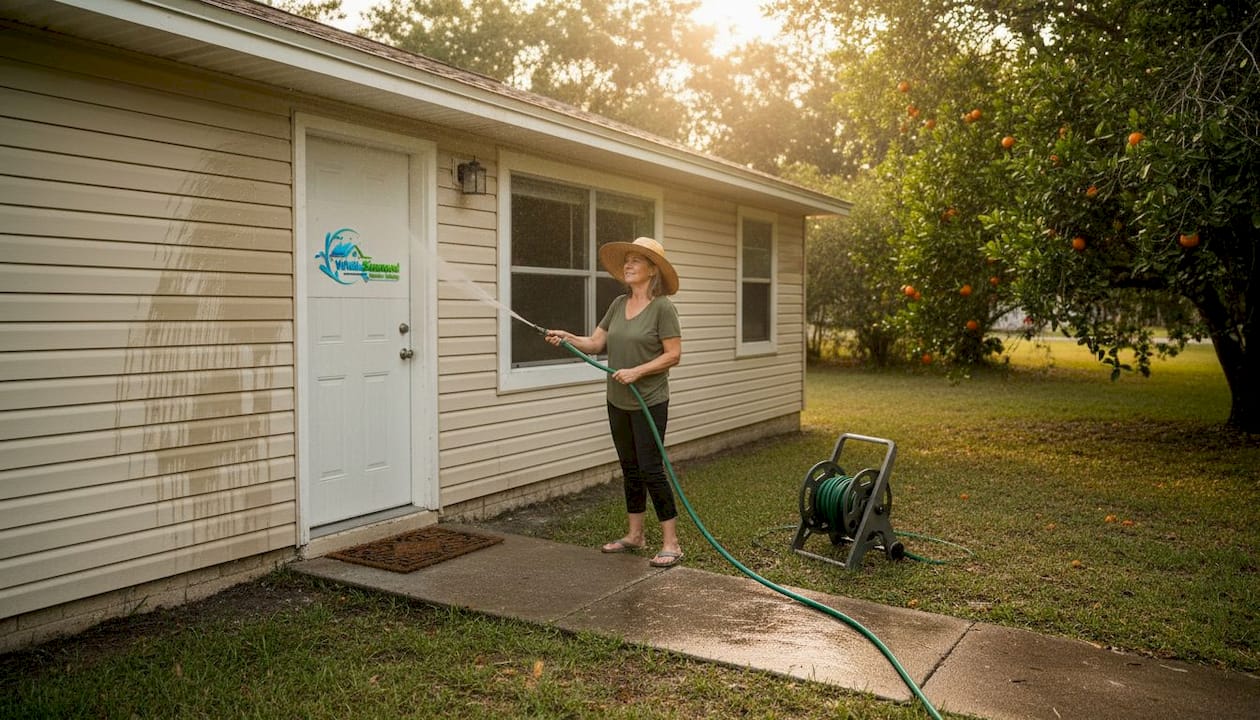
Most Citrus County homeowners think exterior cleaning is simple: wait until things look dirty, then wash. That approach carries real risks. Under the current Phase II water shortage running through July 2026, pressure washing is allowed only once per year unless you are prepping a surface for painting or sealing. That one annual wash needs to count. A thoughtful cleaning schedule protects your property, keeps you compliant with local rules, and saves you from expensive repairs caused by years of buildup going unnoticed.
Table of Contents
- The hidden risks of irregular exterior cleaning
- How a cleaning schedule protects your Citrus County home
- What an effective cleaning schedule looks like
- Tips for adjusting your schedule during water restrictions
- Why most homeowners get cleaning scheduling wrong
- Get expert help planning your cleaning schedule
- Frequently asked questions
Key Takeaways
| Point | Details |
|---|---|
| Avoid costly neglect | Regular schedules prevent expensive exterior damage and ensure compliance with Citrus County drought rules. |
| Maximize curb appeal | A cleaning schedule keeps your home looking fresh and protects its value all year. |
| Stay legal and efficient | Scheduling around water restrictions helps you meet local laws without sacrificing cleanliness. |
| Bundle cleaning tasks | Combining exterior tasks reduces water use and maximizes each service visit. |
The hidden risks of irregular exterior cleaning
It is easy to push exterior cleaning to the back burner. Life gets busy, and if the siding does not look terrible, why bother? The problem is that the damage happens long before it becomes visible. Mold, algae, and grime work quietly beneath the surface, eating away at paint, wood, and concrete. By the time you notice it, the repair bill is already growing.
Skipping regular cleaning allows mold, algae, and dirt to accumulate and actively damage your home’s siding and paint. This is not just a cosmetic issue. Algae holds moisture against surfaces, which accelerates rot in wood and weakens grout in masonry. Mold spores can also migrate indoors, creating health concerns that go well beyond curb appeal.
Here is what irregular cleaning can lead to:
- Staining that becomes permanent if left beyond 12 to 18 months
- Paint failure caused by moisture trapped under algae layers
- Cracked driveways from dirt and biological growth expanding in surface pores
- Roof damage from lichen and moss lifting shingles over time
- Higher cleaning costs because heavily soiled surfaces require more water, time, and chemicals
The longer the gap between cleanings, the harder and more expensive each session becomes. That is a compounding problem. And in Citrus County, there is an added layer of risk.
“During Phase II water shortage, pressure washing is limited to once annually unless the surface is being prepped for paint or sealing.” Citrus County Water Resources
If you use your one annual wash reactively, scrubbing away a year of buildup in a panic, you have no room left to address another surface that might need attention. Understanding why clean home exteriors matter is the first step toward making smarter decisions about when and how you clean.
How a cleaning schedule protects your Citrus County home
A cleaning schedule is not about washing more often. It is about washing smarter. When you plan ahead, you can align every cleaning session with Citrus County’s water use rules, protect your property at the right intervals, and avoid the stress of scrambling when restrictions tighten.
Regular scheduled cleaning keeps curb appeal high, prevents surface decay, and ensures you stay within legal water use boundaries. That combination matters more in Citrus County than almost anywhere else in Florida, given how quickly drought conditions can shift the rules.
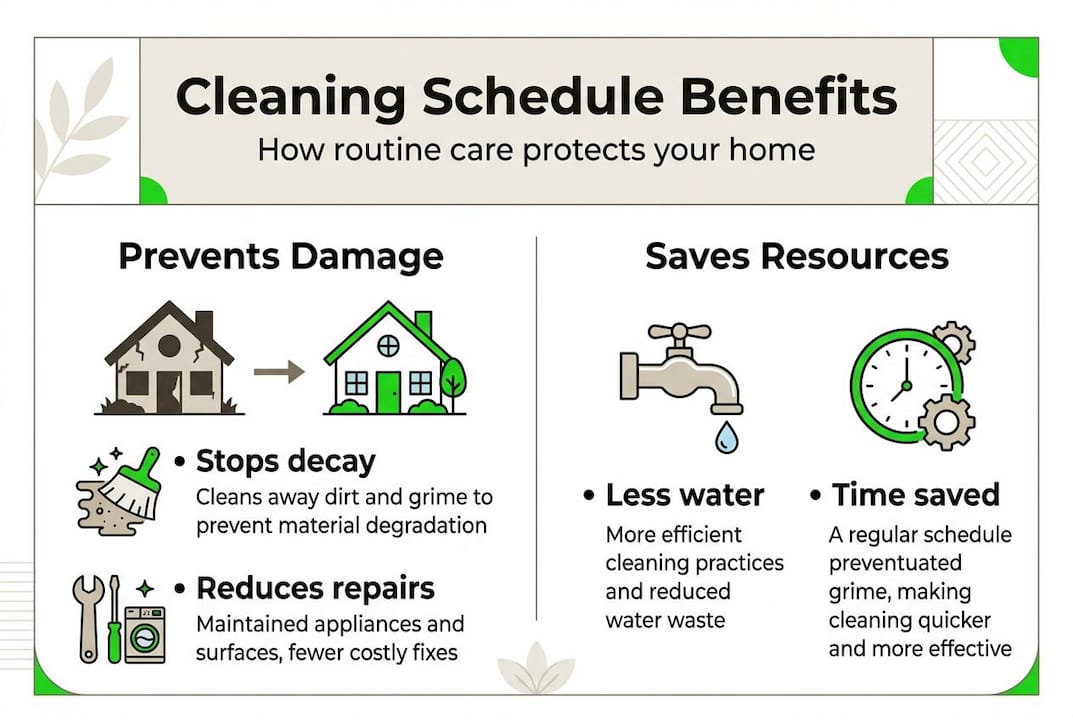
Here is a side-by-side look at the difference between reactive and scheduled cleaning:
| Factor | Reactive cleaning | Scheduled cleaning |
|---|---|---|
| Water usage | Often excessive, unplanned | Controlled and compliant |
| Surface condition | Deteriorated before action | Maintained consistently |
| Cost per session | Higher due to heavy buildup | Lower with regular upkeep |
| Regulatory risk | High during restrictions | Minimal with proper planning |
| Property value impact | Reactive, unpredictable | Steady, positive |
Scheduled cleaning also gives you the ability to use preventative cleaning strategies that stop problems before they start. For example, treating a roof annually before the rainy season prevents the kind of moss growth that would otherwise require aggressive cleaning later.
Pro Tip: Book your annual pressure wash in late winter or early spring. That timing lets you remove the grime from the previous year before Florida’s humid summer accelerates mold and algae growth.
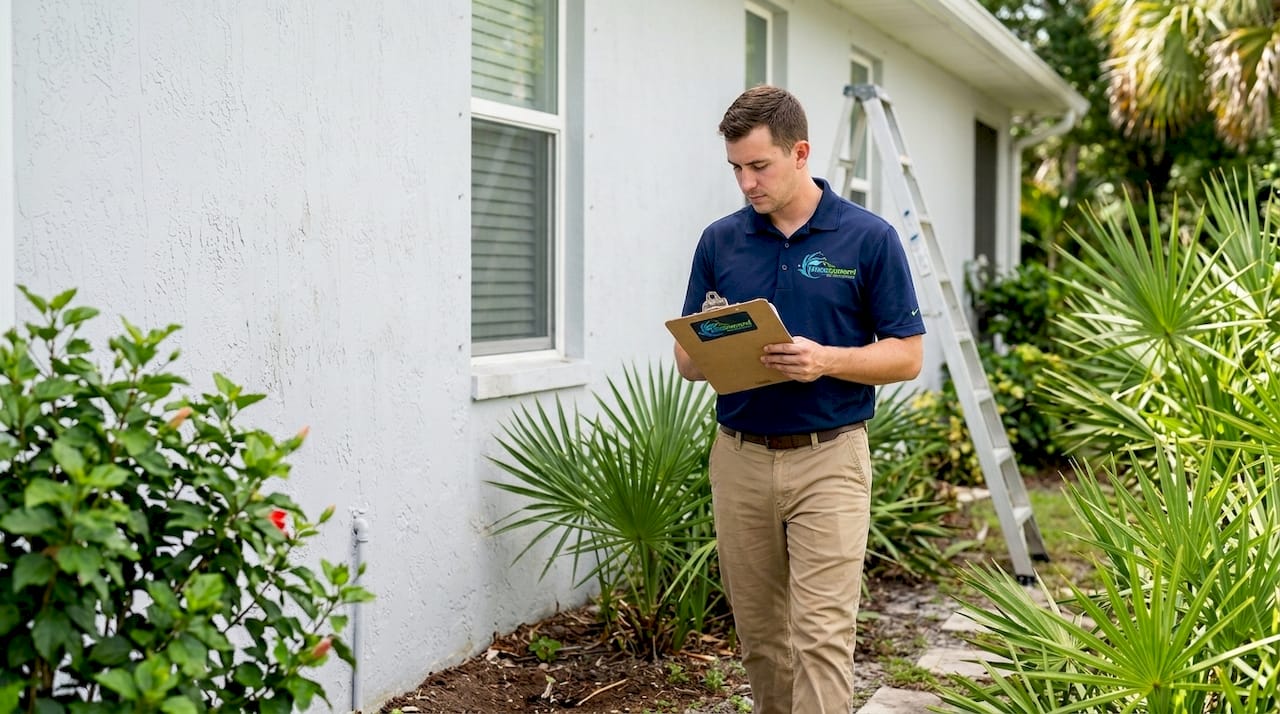
Working with professional cleaners also means you get an expert eye on your home’s condition each year. Small issues like cracked caulking, peeling paint, or early-stage wood rot get noticed before they become major repairs. That kind of proactive attention is worth more than the cleaning itself.
What an effective cleaning schedule looks like
A good schedule accounts for your home’s specific surfaces, Citrus County’s seasonal patterns, and the current water use phase. You do not need to clean everything at once. In fact, grouping tasks strategically is smarter and more water-efficient.
Here is a sample annual schedule for a typical Citrus County home:
| Surface | Recommended frequency | Best timing |
|---|---|---|
| Siding and exterior walls | Once per year | Late winter or early spring |
| Driveway and walkways | Once per year | Combine with siding wash |
| Roof | Once per year | Before rainy season (April or May) |
| Deck or patio | Once per year | Spring, before heavy outdoor use |
| Windows and gutters | Twice per year | Spring and fall |
Under annual pressure washing rules during Phase II restrictions, grouping your siding, driveway, and deck into one session is the smartest move. You use your one allowable wash to cover the most surface area in the least amount of time.
Here is how to structure that efficiently:
- Start with the roof if it needs treatment, since runoff will flow down to lower surfaces.
- Move to siding and walls while the roof treatment is working.
- Clean the driveway and walkways last, since they collect runoff from above.
- Finish with the deck or patio, which typically needs the most detailed attention.
- Document the date with photos for your records in case questions arise.
Using low-pressure washing for delicate surfaces like roofs and painted siding protects the material while still removing buildup effectively. Knowing how to avoid pressure washing mistakes is just as important as knowing when to wash. Too much pressure on the wrong surface can strip paint, crack grout, or force water behind siding. Understanding water pressure safety helps you get the most from each session without causing new problems.
Tips for adjusting your schedule during water restrictions
Water restrictions in Citrus County can change quickly. A drought advisory can shift you from flexible scheduling to a once-a-year limit almost overnight. Having a plan for those moments keeps your home protected without putting you at risk of fines.
The current Phase II guidelines limit pressure washing to once annually, with the only exception being surface prep for painting or sealing. That means every decision about when and how you wash needs to be deliberate.
Here are practical ways to adapt:
- Switch to soft washing for surfaces that can tolerate it. Soft washing advantages include using less water while still removing mold, algae, and staining effectively.
- Bundle all exterior tasks into one session to stay within the annual limit and reduce total water use.
- Prioritize surfaces by risk. Roofs and siding deteriorate faster than driveways, so they should come first if you have to choose.
- Avoid reactive washing. If you use your annual allowance in July because the driveway looks bad, you cannot address a mold issue on the siding in October.
- Keep a cleaning log. Record the date, surfaces cleaned, and methods used. This protects you if a neighbor or inspector raises a concern.
Pro Tip: If your home genuinely needs a second wash for painting or sealing prep, document the project clearly. Take before and after photos and keep any contractor invoices. That documentation is your proof of compliance under the Phase II exception.
Avoiding common pressure washing mistakes during restricted periods is especially important. A mistake that damages a surface might force a second cleaning session that you are not legally allowed to do. Getting it right the first time is not just good practice. It is a regulatory necessity.
Always check Citrus County water restriction advice before scheduling any exterior cleaning, since phases can change based on rainfall and reservoir levels.
Why most homeowners get cleaning scheduling wrong
Here is the honest truth: most people overcomplicate it or ignore it entirely. They either wash everything on a whim when it looks dirty, or they assume a professional will handle it whenever they call. Both approaches leave you exposed.
The bigger mistake is thinking that more frequent cleaning is always better. It is not. Over-cleaning wastes water, risks surface damage, and in Citrus County right now, it can put you on the wrong side of a water restriction fine. The goal is not to clean as often as possible. It is to clean at the right time, with the right method, for the right surface.
We have seen homeowners burn their one annual wash on a driveway in the middle of summer, then discover roof algae in the fall with no legal recourse until the following year. That is an expensive lesson. The benefits of scheduled cleaning go beyond a clean exterior. They include protecting your home’s structure, staying compliant with local rules, and making every dollar you spend on maintenance count. Context-specific planning, not habit or convenience, is what separates a well-maintained Citrus County home from one that quietly deteriorates.
Get expert help planning your cleaning schedule
Putting together a cleaning schedule that works within Citrus County’s water restrictions takes more than a calendar reminder. It takes local knowledge, surface expertise, and a clear understanding of what your home actually needs.

At White Diamond Pressure Washing, we help Citrus County homeowners build cleaning plans that protect their property and keep them compliant year-round. Whether you need a single annual wash that covers every surface efficiently or guidance on which cleaning benefits matter most for your home type, we are ready to help. Explore our full list of pressure washing services and get a free estimate today. One call can set you up for a full year of protected, compliant exterior care.
Frequently asked questions
How often can I pressure wash my Citrus County home?
During Phase II water shortage, you may pressure wash only once annually unless you are preparing a surface for painting or sealing. Plan that session carefully to cover all priority surfaces.
What parts of my exterior need regular cleaning?
Siding, driveways, roofs, windows, and decks all benefit from scheduled exterior cleanings tailored to your home’s condition and Citrus County’s seasonal patterns.
How do I adjust cleaning with water restrictions?
Schedule your wash during allowable periods, use low-pressure methods where possible, bundle all surfaces into one session, and avoid unnecessary repeat washes.
Why can’t I just wash my home when it looks dirty?
Citrus County drought regulations limit how often you can wash, and visible dirt usually signals deeper buildup already causing damage. Reactive cleaning risks both fines and higher repair costs.
Recommended
- Spring cleaning boosts Citrus County home value 7% – white-diamond-pressure
- Importance of Driveway Cleaning for Citrus County Homes – white-diamond-pressure
- Why gutter cleaning matters for Citrus County homes 2026 – white-diamond-pressure
- Why Invest in Exterior Cleaning for Citrus County Homes – white-diamond-pressure
2 thoughts on “Why a cleaning schedule matters for Citrus County homes”