

TL;DR:
- Citrus County limits residential pressure washing to once per year unless tied to painting or sealing.
- Proper preparation and surface-specific methods are essential for effective, damage-free exterior cleaning.
- Timing cleaning around home projects and seasonal factors maximizes benefits and compliance.
Strict water restrictions in Citrus County have changed the way homeowners approach exterior cleaning. You now get one pressure washing session per year for most surfaces, which means walking into your appointment unprepared is a costly mistake. Water restrictions require bundling cleaning tasks and careful planning to stay compliant and get the most out of every session. This checklist walks you through everything you need to do before the crew arrives, from matching the right cleaning method to each surface, to timing your appointment around painting or sealing projects so you stay within the rules and protect your home’s value.
Table of Contents
- Understand Citrus County water restrictions
- Checklist steps to prepare your exterior surfaces
- Choosing the right cleaning method for each home surface
- Coordinate cleaning with painting, sealing, and seasonal projects
- Our perspective: Why a smart checklist is your best defense against wasted exterior cleaning
- Professional exterior cleaning services in Citrus County
- Frequently asked questions
Key Takeaways
| Point | Details |
|---|---|
| Know local restrictions | Citrus County’s annual pressure washing limit means you must plan major exterior cleaning carefully. |
| Match methods to surfaces | Use soft washing and appropriate PSI to protect roofs, decks, and siding from costly damage. |
| Prep for bundled projects | Coordinate cleaning with painting, sealing, and seasonal maintenance to maximize allowed sessions. |
| Checklist avoids missed steps | A step-by-step preparation list ensures your home and landscaping are ready, saving time and frustration. |
Understand Citrus County water restrictions
Before you schedule anything, you need to know exactly what the current rules allow. Citrus County entered Modified Phase III water restrictions effective April 3, 2026. These rules directly limit how and when you can use water for exterior cleaning purposes.
Under these restrictions, pressure washing is limited to once per year, with one important exception: if you are cleaning your exterior surfaces as preparation for painting or sealing, you may qualify for additional sessions. That exception matters, and we will cover how to use it strategically later in this article.
Here is a quick reference for what the restrictions mean in practice:
| Activity | Allowed frequency | Notes |
|---|---|---|
| General pressure washing | Once per year | Applies to driveways, siding, walkways |
| Pre-paint or pre-seal cleaning | Additional sessions allowed | Must be tied to an active painting/sealing project |
| Soft washing (low water volume) | Check local guidance | Lower water use may have different rules |
| Roof cleaning | Once per year (general) | Soft wash preferred; consult provider |
The practical impact is significant. If you waste your annual session cleaning only the front walkway when your driveway, siding, and roof all need attention, you have no regulatory flexibility left for the rest of the year. Follow these exterior maintenance tips to build a priority list before you book.
Key things to keep in mind under current Citrus County water restrictions:
- Plan all surfaces to be cleaned in a single appointment
- Identify any upcoming painting or sealing projects that could justify additional sessions
- Confirm with your cleaning provider whether soft washing qualifies differently under current rules
- Document your cleaning date for compliance records
Statistic to know: Under Modified Phase III, most residential exterior cleaning is capped at one session per year. That single session needs to do the work of four seasons.
Planning around this reality is not optional. It is the foundation of every other step on your checklist.
Checklist steps to prepare your exterior surfaces
With the rules clarified, here is your detailed checklist for getting your home ready before the cleaning crew arrives. Skipping even one of these steps can lead to damaged property, missed spots, or a session that does not deliver the results you paid for.
Step-by-step preparation checklist:
- Walk your property and note problem areas. Look for mold, mildew stains, oil spots, rust, or any surface damage. Write it down or photograph it so you can share specifics with your cleaning team.
- Move outdoor furniture, grills, and decorations. Clear at least three feet around every surface being cleaned. This protects your belongings and gives the crew full access.
- Relocate vehicles from the driveway and nearby areas. Even vehicles parked on the street can catch overspray, especially during high-pressure driveway cleaning.
- Cover or move potted plants and garden beds near the work area. Cleaning solutions, even biodegradable ones, can stress sensitive plants if they pool at the roots.
- Turn off outdoor electrical outlets and cover light fixtures. Water and electricity do not mix. Flip the breakers for exterior outlets if you are unsure.
- Identify which surfaces need soft washing versus high-pressure cleaning. Roofs, painted wood, and stucco typically need soft washing for delicate surfaces, while concrete driveways and brick can handle higher pressure.
- Check gutters and downspouts. If they are clogged, cleaning the roof or siding may push debris into them, creating a new problem.
- Confirm access points. Make sure gates are unlocked and the crew can reach all sides of the house, including backyard fences and side walls.
Use this spring cleaning exterior tips guide to expand your checklist for seasonal projects. You can also review common exterior surfaces to make sure you have not overlooked anything.
Pro Tip: Schedule your cleaning appointment right before a painting or sealing project. This gives you regulatory flexibility for additional sessions and ensures the new coating bonds properly to a clean surface.
Choosing the right cleaning method for each home surface
Next, let’s make sure your cleaning methods match each specific surface. Using the wrong pressure setting is one of the most common mistakes homeowners make, and it can strip paint, etch concrete, or crack grout.
Here is a comparison of recommended PSI ranges by surface type:
| Surface | Recommended PSI | Method |
|---|---|---|
| Vinyl siding | 1,300 to 1,600 PSI | Pressure wash, wide fan tip |
| Wood decks | 500 to 1,200 PSI | Low pressure or soft wash |
| Concrete driveways | 2,500 to 3,000 PSI | High-pressure wash |
| Roofs | Under 500 PSI | Soft wash only |
| Stucco or painted surfaces | Under 1,000 PSI | Soft wash preferred |
| Brick and pavers | 1,000 to 1,500 PSI | Medium pressure, test first |
These PSI ranges for surfaces are not arbitrary. Exceeding the recommended range on vinyl siding, for example, can force water behind the panels and cause mold growth inside your walls. That is a much bigger problem than a dirty exterior.
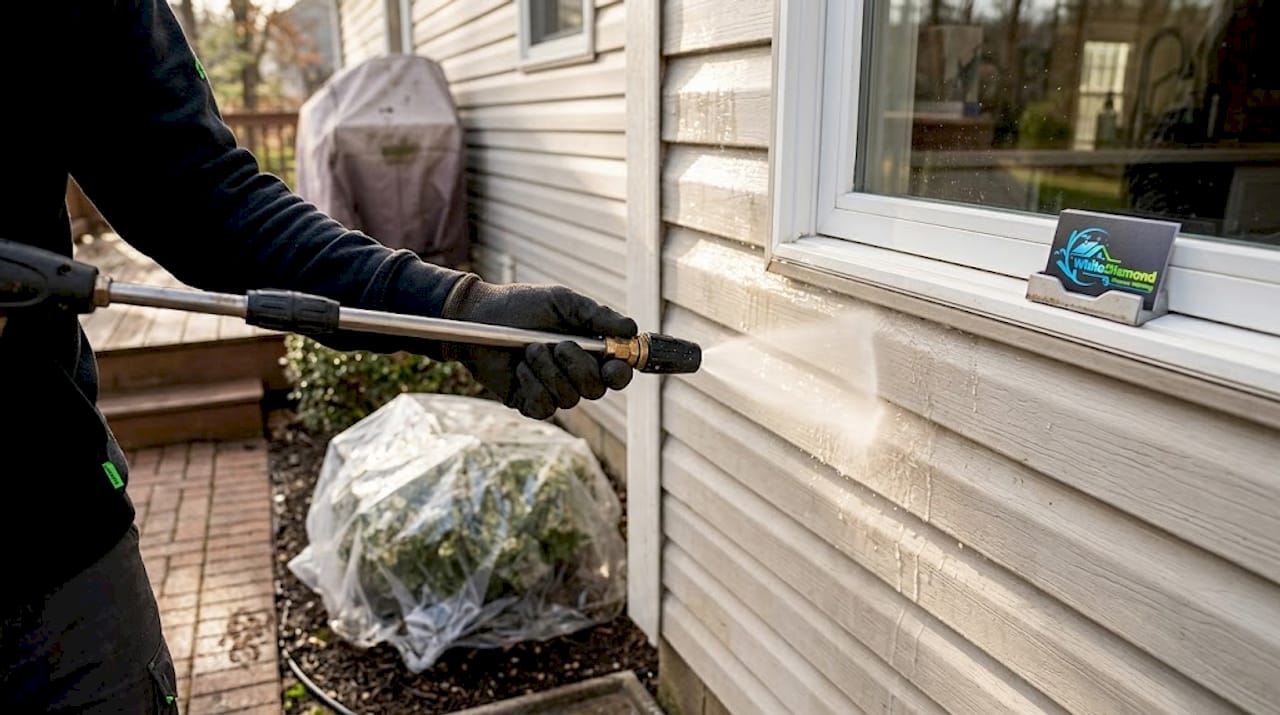
For roofs and anything with existing paint, soft washing is safer and more effective. Soft washing uses low pressure combined with specialized cleaning solutions to kill mold, algae, and bacteria at the root rather than just blasting them off the surface.
Understanding the difference between soft washing vs power washing helps you have a more informed conversation with your cleaning provider before the appointment.
“The surface you are cleaning should always dictate the method, not the other way around.”
Key surface-specific tips:
- Always test a small, hidden area first before cleaning the full surface
- Ask your provider for their testing protocol before they begin
- Avoid high pressure near window seals, door frames, and any caulked joints
- Review pressure washing considerations if you are unsure whether pressure washing or traditional cleaning is right for a specific area
Pro Tip: Ask your cleaning crew to walk the property with you before they start. Point out any areas you flagged during your inspection, and confirm the PSI setting they plan to use on each surface.
Coordinate cleaning with painting, sealing, and seasonal projects
To make the most of your cleaning session, timing matters as much as technique. Pairing your exterior cleaning with other home improvement projects is one of the smartest moves you can make under current water restrictions.
Bundling exterior cleaning with painting/sealing is explicitly allowed under local rules, giving you access to additional cleaning sessions beyond the standard annual limit. This is not a loophole. It is a built-in provision designed to support responsible home maintenance.
Here is how to time your projects for maximum benefit:
- Clean before painting: Paint adheres far better to a clean surface. Skipping this step shortens the life of your paint job by years. Learn more about why you should clean before painting before scheduling your next coat.
- Clean before sealing driveways or decks: Sealers bond to the surface material, not to dirt or algae. A clean surface means a longer-lasting seal.
- Plan around Florida’s pollen season: Spring in Citrus County brings heavy pollen that coats every exterior surface within days. Cleaning too early in the season means you will be looking at a yellow-dusted house before summer even starts. Late spring or early summer is often the sweet spot.
- Schedule ahead of hurricane season: Cleaning your roof and gutters before storm season reduces debris buildup and helps you spot any damage that needs repair before it becomes a liability.
The exterior cleaning benefits go well beyond aesthetics. A clean exterior resists moisture intrusion, reduces pest harborage, and extends the life of your siding, roofing, and concrete.
Statistic to know: Exterior paint applied over a professionally cleaned surface can last two to three times longer than paint applied over a dirty one.
Pro Tip: Document your pre-project cleaning with dated photos. If you ever need to prove compliance with water restriction rules, that documentation is your best evidence.
Our perspective: Why a smart checklist is your best defense against wasted exterior cleaning
After working with homeowners across Citrus County, we have noticed a pattern. Most people who feel let down by a cleaning appointment did not have a bad crew. They had a bad plan.
The biggest mistake we see is using the annual cleaning session to tackle whatever looks the dirtiest that day, rather than what matters most for long-term home protection. A grimy front walkway is visible, so it gets prioritized. Meanwhile, the roof has algae quietly eating through the shingles, and the driveway sealant is failing because it was never cleaned before application.
Strategic planning is not about being overly cautious. It is about recognizing that soft washing is safer for certain surfaces and that matching the method to the material is what separates a cleaning that lasts from one that just looks good for a week.
We also believe strongly that the role of professional cleaners goes beyond spraying water. A good crew inspects, advises, and documents. They catch things you would miss on a walk-around. That expertise is especially valuable when you only get one session per year to get it right.
Professional exterior cleaning services in Citrus County
Your checklist is ready. Now the question is who you trust to execute it.

At White Diamond Pressure Washing, we work with Citrus County homeowners every day to make sure their annual cleaning session counts. Our team understands the local water restrictions, knows which surfaces need soft washing versus high pressure, and can help you time your cleaning around painting, sealing, or seasonal projects. Explore our professional cleaning services to see everything we cover, and check out our soft washing process guide to understand exactly how we protect your surfaces while getting them genuinely clean. Get your free estimate today and make your one session count.
Frequently asked questions
How often can I pressure wash my home under Citrus County water restrictions?
Under current Modified Phase III rules, once per year is the standard limit for most residential exterior cleaning, but you may qualify for additional sessions if the cleaning is tied to a painting or sealing project.
What is the safest PSI for cleaning delicate surfaces like roofs or wood decks?
For roofs, stay under 500 PSI and use a soft wash method. For wood decks, recommended PSI ranges fall between 500 and 1,200 PSI depending on the wood type, and testing a small area first is always the right move.
Should I prepare my home in any special way before exterior cleaning?
Yes. Remove outdoor furniture, protect nearby plants, turn off exterior electrical sources, and identify which surfaces need soft washing for delicate areas versus high-pressure treatment before the crew arrives.
Does exterior cleaning before painting really make a difference?
Absolutely. Cleaning before painting helps coatings bond properly and last significantly longer, and bundling cleaning with painting is one of the few ways to qualify for additional cleaning sessions under current water restrictions.
Recommended
- Why a cleaning schedule matters for Citrus County homes – white-diamond-pressure
- Annual Pressure Washing Schedule: Protecting Citrus County Homes – white-diamond-pressure
- Top steps for effective surface cleaning in Citrus County – white-diamond-pressure
- Spring cleaning boosts Citrus County home value 7% – white-diamond-pressure
- Complete Cleaning Checklist for Offices: Step-by-Step Guide
4 thoughts on “Citrus County home prep checklist: 1 cleaning session/year”