

TL;DR:
- Improper pressure washing can cause costly damage to surfaces and promote hidden mold growth.
- Different materials require specific PSI levels and techniques to prevent etching, splitting, or erosion.
- Professional soft washing ensures effective cleaning while protecting property longevity in humid climates.
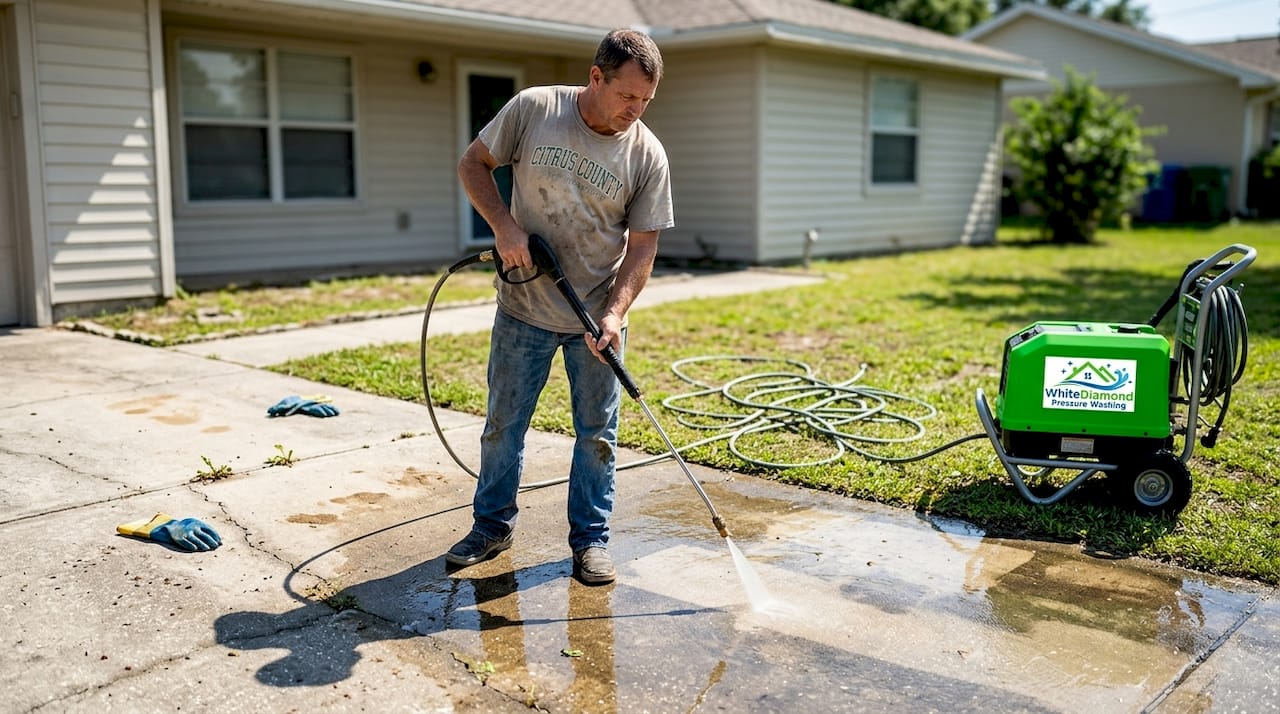
Pressure washing looks simple from the outside. Point, pull the trigger, watch the grime disappear. But that same powerful stream of water capable of blasting away years of buildup can also etch concrete, strip paint, splinter wood decking, and force moisture into wall cavities where mold quietly grows for months before you notice a thing. High-pressure water ranging from 1,000 to 4,000 PSI can dislodge roof granules, erode mortar in brick, and gouge vinyl siding in seconds. For homeowners and property managers in Citrus County, understanding how to prevent surface damage isn’t just smart maintenance. It’s how you protect thousands of dollars in property value.
Table of Contents
- Common causes and consequences of surface damage
- PSI guidelines and surface sensitivity: what every homeowner should know
- Professional techniques vs. DIY: why expertise matters for Citrus County properties
- Maintaining value: how prevention saves thousands in repairs and boosts curb appeal
- Why most advice on pressure washing misses the real risks
- Protect your Citrus County property with professional care
- Frequently asked questions
Key Takeaways
| Point | Details |
|---|---|
| Surface damage is preventable | Understanding pressure and technique avoids costly harm to your property. |
| Material sensitivity varies | Each surface needs a specific PSI range and cleaning method to prevent irreversible damage. |
| Professional help pays off | Experts use precision methods and soft washing to protect property value and curb appeal. |
| DIY mistakes are costly | Incorrect equipment or technique can create repairs much more expensive than prevention. |
Common causes and consequences of surface damage
Most surface damage from pressure washing doesn’t happen because someone was careless. It happens because the risks aren’t obvious until the damage is already done. A pressure washer feels like a garden hose on steroids, but the physics involved are entirely different. The force concentrated in a narrow stream can transfer more kinetic energy to a surface than that material was ever designed to handle.
Surface damage occurs through several specific failure points: excessive pressure exceeding material tolerance, using concentrated narrow nozzles too close to the surface, spraying perpendicular to joints or edges, applying the wrong detergents, and a technique called static blasting where the nozzle stays in one place too long. Each of these mistakes compounds the others.
The most common errors homeowners make include:
- Spraying too close to the surface, which concentrates pressure and removes protective coatings or top layers of material
- Using a zero-degree or narrow-angle nozzle on surfaces like wood or vinyl that require wider, gentler fan patterns
- Ignoring material tolerance, especially on older homes where siding, mortar, or caulking has already weakened with age
- Static blasting, which means holding the wand in one spot and allowing concentrated force to gouge or pit a surface
- Using the same pressure setting on every surface, treating concrete the same as a painted wood fence
The financial consequences are real and often severe. Replacing a section of damaged wood decking in Florida can run anywhere from $800 to $3,000 depending on the size and material. Repointing eroded brick mortar costs significantly more. Roof repairs from dislodged granules can trigger insurance complications and shorten your roof’s effective lifespan by years.
“The most expensive pressure washing job is the one that requires a contractor to come fix what the washer destroyed.”
Beyond repair costs, there’s a less visible risk that matters just as much. When pressure washing safety isn’t followed correctly, water gets forced into cracks, behind siding panels, and under roofing materials. In Citrus County’s humid subtropical climate, trapped moisture becomes a breeding ground for mold, mildew, and wood rot within weeks. That hidden damage can spread through wall cavities and subfloor structures before any visible sign appears. Understanding high-pressure washing dangers is the first step toward making smarter decisions about your property.
PSI guidelines and surface sensitivity: what every homeowner should know
To protect your investment, it’s crucial to understand exactly how much pressure different surfaces can safely handle. PSI stands for pounds per square inch and measures the force of the water stream. The higher the PSI, the more force hits the surface. What surprises most people is how dramatically the safe range varies between common home surfaces.
Here’s a breakdown of PSI ranges for surfaces commonly found on Citrus County properties:
| Surface | Safe PSI range | Notes |
|---|---|---|
| Concrete driveways | 3,000 to 4,000 PSI | Durable but still susceptible to etching with wrong nozzle |
| Wood decks | 500 to 1,500 PSI | Grain can splinter easily above this range |
| Vinyl siding | 1,300 to 2,500 PSI | Higher end only with wide fan nozzle and correct distance |
| Painted surfaces | 1,200 to 1,500 PSI | Paint strips quickly above this threshold |
| Roofing shingles | Under 500 to 1,500 PSI | Soft wash is strongly preferred for all roof types |
| Older brick or mortar | 500 to 1,000 PSI | Mortar erodes fast; soft wash recommended |
| Stucco | 1,000 to 1,500 PSI | Cracks and pitting occur quickly with excess pressure |
These numbers aren’t arbitrary. They reflect the structural tolerance of each material. Roofing shingles, for example, are designed to shed rain, not withstand a direct pressurized blast. Asphalt shingle granules, which protect the underlying mat from UV damage, can be stripped away in a single pass with the wrong technique. Once those granules are gone, the roof ages dramatically faster.
Wood is equally unforgiving. The natural grain structure of timber makes it vulnerable to splitting and fiber damage when pressure exceeds 1,500 PSI. Soft washing, which relies on low pressure combined with specialized cleaning solutions, is the only truly safe method for roofs, older wood, and painted surfaces. The water pressure guidelines specific to Citrus County properties account for local material types, age of construction, and environmental exposure.
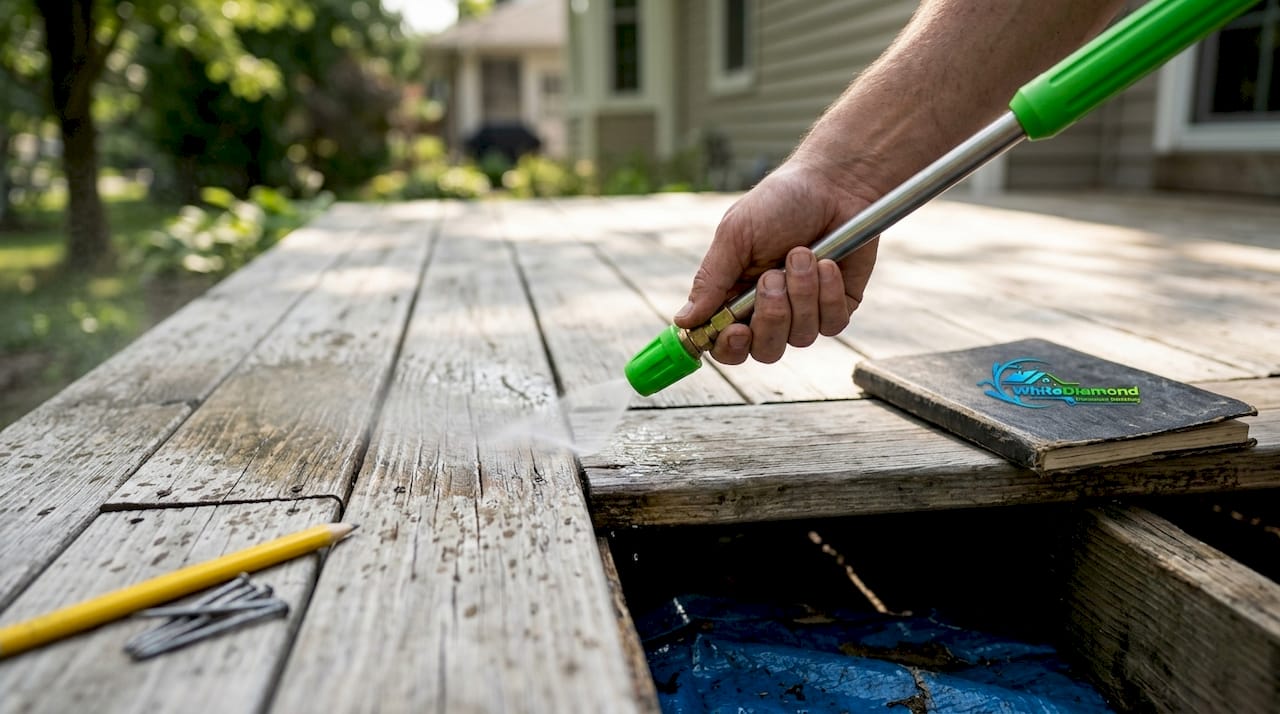
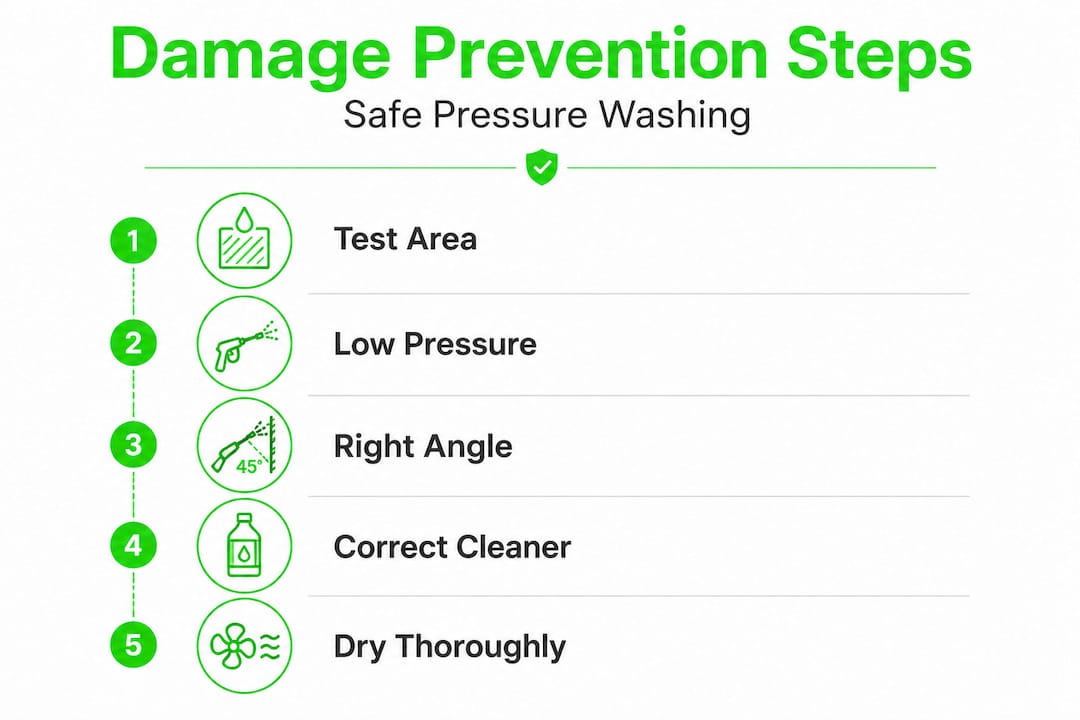
Pro Tip: Before washing any surface, test a small, inconspicuous area first. Start at the lowest pressure setting and work up only if needed. This 30-second step can save you from an irreversible mistake on a visible section of your home.
One more factor that most guides skip entirely: nozzle angle matters as much as PSI. Spraying at a 45-degree angle to the surface rather than straight on reduces the impact force significantly and helps lift debris away rather than driving it deeper into pores and joints. This is why the risks of DIY pressure washing go beyond just setting the wrong pressure.
Professional techniques vs. DIY: why expertise matters for Citrus County properties
Even with the right PSI, the way you approach the job can mean all the difference. See how professionals and DIYers compare when it comes to protecting surfaces and achieving lasting results.
| Factor | Professional approach | Typical DIY approach |
|---|---|---|
| PSI calibration | Adjusted per surface and material age | Often set to maximum for “better” results |
| Nozzle selection | Matched to surface type and cleaning goal | Default nozzle used for all surfaces |
| Distance control | Maintained precisely throughout the job | Varies; often too close on stubborn spots |
| Spot testing | Always performed before full application | Rarely done |
| Detergent selection | Formulated for surface type and local climate | Generic household cleaners or none |
| Post-wash inspection | Surfaces checked for hidden moisture intrusion | Usually skipped |
Professionals calibrate every variable before touching a surface. They assess the material, its age, the level of contamination, and the local environmental conditions. In Citrus County, that means accounting for high humidity, salt air near the coast, and the aggressive mold and algae growth that comes with a warm, wet climate. Soft washing is the preferred method for most residential surfaces here precisely because it achieves a longer-lasting clean without the damage risk.
Here’s how a professional approaches a typical Citrus County home exterior cleaning:
- Inspect the property for existing cracks, loose caulking, damaged siding, or compromised mortar before any water is applied
- Select the appropriate pressure setting and nozzle based on the specific surface being cleaned
- Apply a pre-treatment solution formulated to break down mold, algae, or organic buildup without harsh scrubbing
- Maintain consistent distance and angle throughout the wash to ensure even cleaning without concentrated impact
- Rinse at low pressure to remove the cleaning solution and loosened debris without forcing water into gaps
- Conduct a post-wash check to confirm no water has been driven into vulnerable areas
The advantages of low-pressure washing become especially clear when you look at long-term results. A soft wash treatment on a roof or stucco exterior can keep surfaces clean for 12 to 24 months longer than a high-pressure blast, because the cleaning solution kills mold and algae at the root rather than just removing surface growth. That means fewer cleanings, less wear on materials, and lower long-term costs.
Pro Tip: Always use a detergent specifically formulated for the surface you’re cleaning. The right cleaning solution does the heavy lifting, which means you need far less pressure to get the same result without risking damage.
DIY pressure washing also carries a personal safety risk that often goes unmentioned. The recoil from high-pressure equipment on ladders, combined with slippery wet surfaces, leads to falls and injuries every year. Professional safety results come from trained crews who work with proper equipment, safety protocols, and insurance coverage that protects both the worker and your property.
Maintaining value: how prevention saves thousands in repairs and boosts curb appeal
Surface care isn’t just about avoiding damage. It’s a smart way to invest in your property’s future. The math is straightforward: a professional cleaning that costs a few hundred dollars prevents repairs that can cost thousands. But the value story goes even further than repair avoidance.
Trapped moisture from improper pressure washing can force water into cracks and cause hidden mold, rot, and structural damage that compounds over time. In Citrus County’s climate, that process accelerates. Mold colonies can establish within 24 to 48 hours in warm, humid conditions. Once rot sets into wood framing or subfloor structures, the remediation costs dwarf what any cleaning service would have charged.
Understanding why clean home exteriors directly affect property value is important for anyone thinking about selling or renting. Real estate professionals consistently point to curb appeal as one of the top factors in first impressions, and first impressions drive offers. A home with stained driveways, algae-covered siding, and a discolored roof signals neglect to buyers, even if the interior is in perfect condition.
Key prevention habits every Citrus County property owner should build into their maintenance routine:
- Schedule professional exterior cleaning annually, or twice yearly for properties with heavy tree cover or near water
- Inspect surfaces after any cleaning, whether professional or DIY, for signs of water intrusion or unexpected damage
- Seal concrete and masonry surfaces after cleaning to reduce moisture absorption and make future cleaning easier
- Address mold and algae growth early, before it spreads and requires more aggressive treatment
- Never use a pressure washer on surfaces you haven’t researched first, especially older materials or anything with visible wear
Pro Tip: Scheduling your professional cleaning in early spring removes the winter’s worth of organic buildup before Florida’s rainy season arrives. That timing prevents mold from getting the moisture boost it needs to spread rapidly across your exterior surfaces.
Pressure washing in a regular maintenance program is one of the highest-return investments a property owner can make. The surfaces stay cleaner longer, repairs stay minimal, and the property consistently presents well to neighbors, visitors, and potential buyers alike.
Why most advice on pressure washing misses the real risks
Here’s something we’ve seen repeatedly in this industry: most generic pressure washing guides treat every home like it’s the same. They give you a PSI number, tell you to keep the nozzle moving, and call it done. What they consistently miss is the interaction between local climate, material age, and the kind of subtle water damage that doesn’t show up for months.
Citrus County isn’t a dry climate where surfaces dry out quickly after cleaning. It’s humid, warm, and biologically active. Mold and algae don’t just sit on the surface here. They colonize it. When someone follows generic advice and blasts their siding at 2,500 PSI to “really clean it,” they may remove the visible growth but also open microscopic pathways for moisture to penetrate the material. In this climate, that moisture doesn’t evaporate. It feeds the next generation of growth from the inside out.
The dangers of DIY in this context aren’t just about injury or broken equipment. They’re about decisions made without the context of local conditions. A professional who works in Citrus County every week understands which surfaces in which neighborhoods are showing age-related vulnerability. They know which products work against the specific mold strains common here. That knowledge isn’t in any online tutorial.
We’d also push back on the idea that soft washing is just a “gentler” version of pressure washing. It’s a fundamentally different approach. It prioritizes chemistry over force. The cleaning solution does the biological work of killing organic growth, and the water simply rinses it away. For most residential surfaces in Florida, that’s not just the safer option. It’s the more effective one.
Protect your Citrus County property with professional care
Knowing the risks is the first step. Acting on that knowledge is what actually protects your home. At White Diamond Pressure Washing, we bring the expertise, equipment, and local knowledge that Citrus County properties deserve.

Our team uses a safe soft washing process tailored to each surface type, from roofs and siding to driveways and walkways. We assess every property before we start, test surfaces before full application, and use industry-approved cleaning solutions that protect your materials while delivering a thorough clean. You can explore our full range of services or learn more about our preventative cleaning strategies to find the right fit for your property. Ready to protect your investment? Get your free estimate today and let us show you what professional care looks like.
Frequently asked questions
How does pressure washing cause surface damage?
Pressure washing damages surfaces when the water pressure exceeds what the material can safely handle, or when the wrong angle, distance, or nozzle concentrates force on vulnerable areas. High-pressure water can etch concrete, strip paint, erode mortar, and drive moisture into cracks where hidden rot and mold develop.
What surfaces are most at risk from improper pressure washing?
Wood decking, roofing shingles, painted siding, and older brickwork are the most vulnerable, as each has a low tolerance for high pressure. Safe PSI for roofs stays below 1,500, and soft washing is strongly preferred to avoid stripping granules or forcing water under shingles.
Can surface damage from pressure washing be repaired easily?
Some damage, like gouged wood or stripped paint, requires costly professional repairs and cannot always be fully restored to its original condition. Damage from poor technique such as static blasting or using narrow nozzles too close is largely preventable, making professional service a far smarter investment.
What are the benefits of professional pressure washing over DIY?
Professionals tailor every variable, including PSI, nozzle type, distance, and detergent, to the specific surface being cleaned, which dramatically reduces the risk of damage. Calibrated soft washing by experienced crews also delivers longer-lasting results than DIY methods, especially in humid climates like Citrus County.
Recommended
- Pressure Washing Safety – How It Protects Your Home – white-diamond-pressure
- Avoid These Pressure Washing Mistakes: Safer, Cleaner Home – white-diamond-pressure
- Safety Protocols in Pressure Washing: Protecting Citrus County Homes – white-diamond-pressure
- Soft Washing Process Explained: A Step-by-Step Guide for Safety – white-diamond-pressure
- Pressure washing tutorial: step-by-step guide for 2026
3 thoughts on “Prevent surface damage: essential guide for pressure washing safety”