

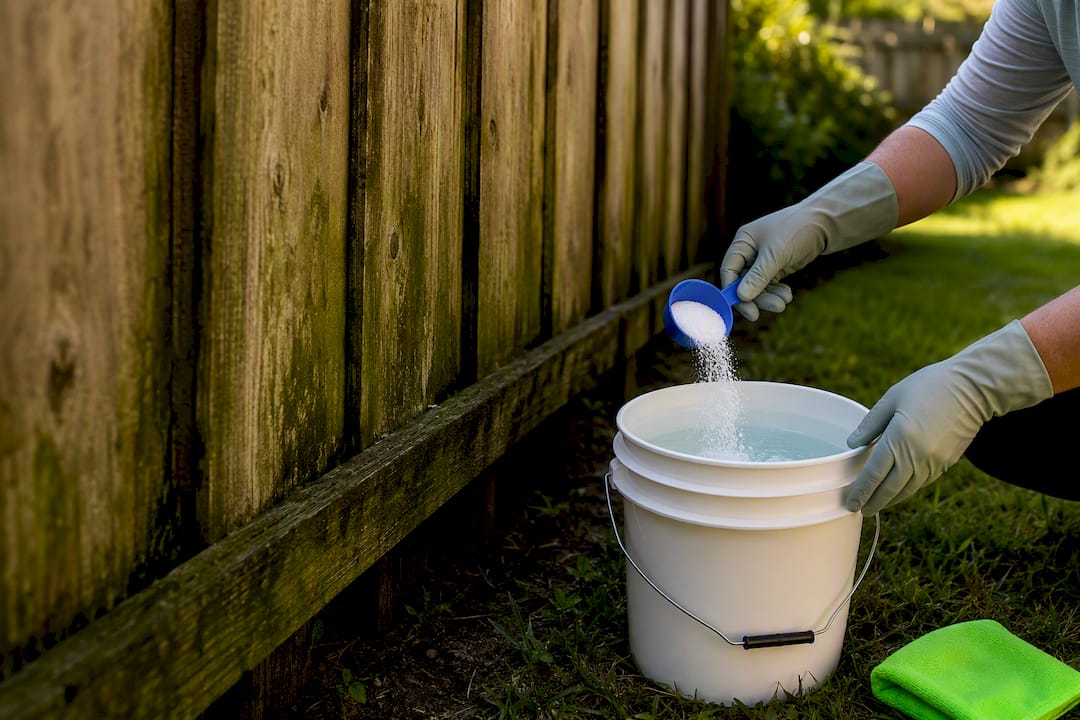
The safest way to handle wood fence algae removal is a soft wash with an oxygen-based cleaner, or a gentle low-pressure rinse for small, stubborn spots. Skip chlorine bleach and high PSI settings; both damage wood fibers over time. Consider hiring a professional when the fence is old, large, or near landscaping you can’t afford to kill.
TL;DR:
- Using oxygen bleach and soft washing methods minimizes wood damage while effectively removing algae, unlike high-pressure or chlorine cleaning techniques.
- Regular fence maintenance, including trimming vegetation, fixing drainage issues, and annual cleaning, prevents algae buildup and detects early signs of rot.
- Testing cleaners and pressure settings on small fence sections can prevent damage and ensure effective algae removal without harming wood fibers.
- Allow the fence to fully dry before staining or sealing to avoid trapping moisture, which can lead to decay and mold regrowth.
- Hiring a professional for large, old, or delicate fences offers better control, safety, and environmental protection compared to DIY pressure washing.
Table of Contents
- Why Algae Grows on Wood Fences
- Which Cleaning Method Is Actually Safe for Wood?
- How to Clean Algae Off a Wood Fence Step by Step
- Aftercare and Prevention Tips for a Fence That Stays Clean
- When a Professional Soft Wash Is the Smarter Call
- Get Professional Fence Cleaning From White Diamond Pressure Washing
- Sources
Why Algae Grows on Wood Fences
Algae needs three things to take hold: moisture, shade, and something organic to feed on. A wood fence tucked under trees or against a fence line with poor airflow holds onto morning dew and rain far longer than a fence in full sun, and that extra dampness is exactly what algae spores are waiting for. Trapped organic debris like fallen leaves, grass clippings, and pollen builds a thin film on the wood surface that acts almost like a doormat for spores to settle into.
Once algae establishes itself, it’s not just cosmetic. Algae holds moisture against the wood grain, and that constant dampness speeds up decay long before you’d notice actual rot. A few homeowner habits make the problem worse without anyone realizing it:
- Vines, shrubs, or overgrown grass touching the fence panels
- Sprinklers hitting the fence daily, especially in the same spot
- Poor yard drainage that pools water at the base of posts
- Fertilizer or lawn runoff feeding algae growth along the bottom boards
- Dense hedges or trees blocking sun and wind from reaching one side
None of these causes are dramatic on their own. Stacked together, they turn a fence into a low-grade greenhouse for algae, and that’s the piece most cleaning guides skip.
Which Cleaning Method Is Actually Safe for Wood?
Not every method that removes algae is one you should use on wood. Some work fast and leave damage behind; others take patience but protect the fence long-term. Here’s how the main options stack up on the factors that actually matter.
Oxygen bleach (sodium percarbonate) is the closest thing to a universal recommendation among wood care specialists. It lifts algae and organic staining without breaking down lignin, the compound that holds wood fibers together, the way chlorine bleach can with repeated use. It’s also easier on nearby plants, which matters if your fence line doubles as a garden border.
Soft washing (low-pressure application with a cleaning solution, followed by a gentle rinse) is the method most professionals default to for a reason. It covers large areas efficiently and doesn’t rely on force to do the work, which keeps delicate or aging wood intact.
Pressure washing removes algae fast, but it’s the riskiest option if you’re not experienced with it. Too much pressure or the wrong nozzle strips wood fibers and raises the grain, and that damage doesn’t sand out easily.
Manual scrubbing with a stiff brush, mild detergent, and a garden hose is the lowest-risk option. It’s slow, and soap and water alone may not kill every spore, so expect to repeat the job sooner. It’s a reasonable choice for a single discolored panel, not a full fence line.
| Method | Effectiveness on algae | Risk of wood damage | Plant/environmental safety | Time and equipment |
|---|---|---|---|---|
| Oxygen bleach soft wash | High | Low | High | Moderate (sprayer, brush) |
| Low-pressure soft wash | High | Low | Moderate to high | Moderate (pump sprayer or soft-wash setup) |
| Careful pressure washing | High, fast | Moderate to high if misused | Moderate | Low time, needs pressure washer |
| Manual scrubbing | Moderate | Very low | High | High effort, minimal equipment |
How to Clean Algae Off a Wood Fence Step by Step
Before you touch a sprayer or hose, walk the fence line. Look for soft or spongy boards, loose nails, and cracked posts. Cleaning won’t fix structural issues, and pressure on compromised wood can make things worse.
Preparation checklist:
- Trim back any plants, vines, or grass touching the fence
- Cover nearby flower beds or sensitive plants with plastic sheeting if you’re using a chemical cleaner
- Sweep off loose debris, cobwebs, and dirt with a stiff brush
- Put on safety glasses and gloves, especially when mixing cleaning solutions
Soft-wash workflow with an oxygen-based cleaner:
- Mix the oxygen bleach product according to the label, using a pump sprayer for even coverage
- Apply the solution generously across the algae-affected boards
- Let it dwell for the time listed on the packaging, usually 10 to 20 minutes, so it has time to break down the organic growth
- Agitate stubborn spots gently with a soft-bristle brush
- Rinse with a garden hose or low-pressure setting, working top to bottom
Gentle pressure-wash workflow, if you go that route:
- Test your pressure setting on a hidden or inconspicuous board first
- Use a wide fan tip, never a narrow or turbo nozzle, on wood
- Keep the nozzle moving with the grain rather than holding it still on one spot
- Maintain a consistent distance from the surface, typically 12 inches or more, and adjust based on how the wood responds
- Stop immediately if you see the grain start to fuzz or lift, and switch to a softer method
Pro Tip: Test any cleaner or pressure setting on a small, hidden section of fence first. Five minutes of testing can save you from redoing an entire panel that got scorched or gouged.
Once you’ve rinsed the fence, let it dry fully, which usually takes 24 to 48 hours depending on humidity and sun exposure, before applying any stain or sealant. If a board still looks gray, spongy, or crumbles when pressed, that’s not an algae problem anymore. That’s a repair job.
Aftercare and Prevention Tips for a Fence That Stays Clean
Sealing over damp wood traps moisture underneath the coating, which defeats the entire purpose of cleaning in the first place. Give the fence a full dry window before staining, and check that the wood feels cool and dry to the touch, not just dry on the surface.
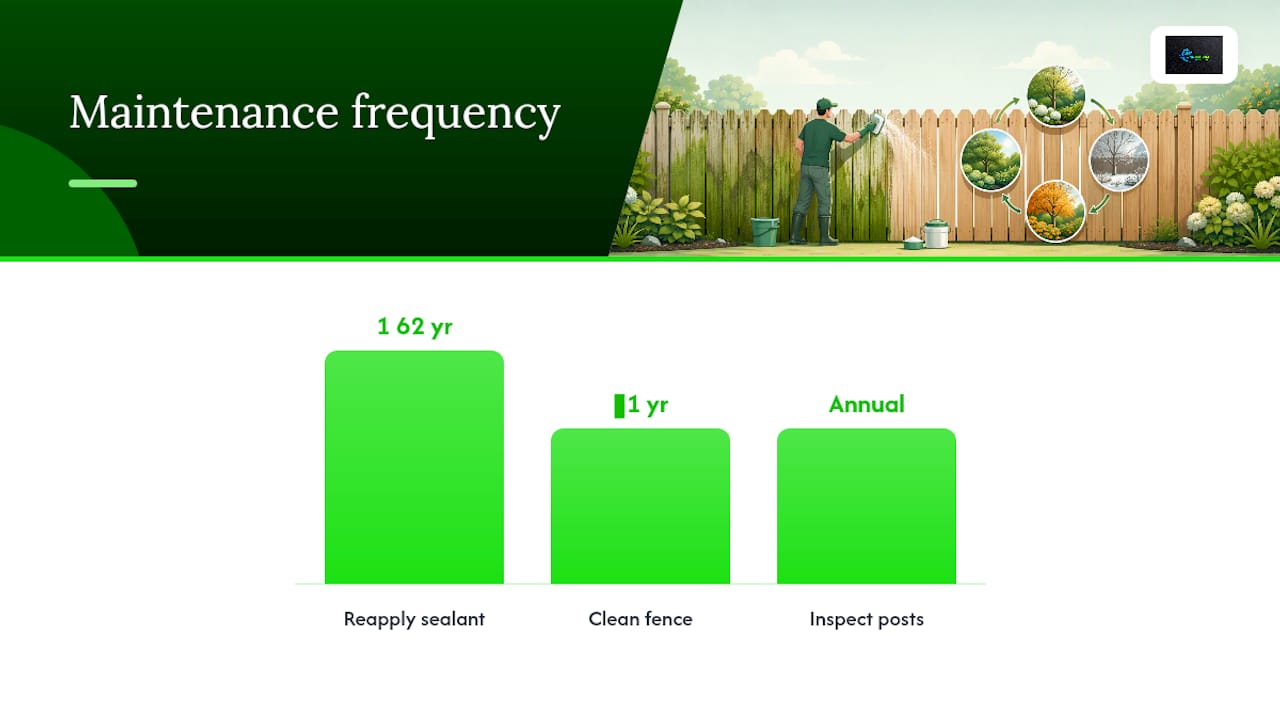
A penetrating sealant or stain with UV inhibitors does two jobs at once: it blocks moisture absorption and slows the sun damage that weakens wood fibers over time. Reapplying every one to two years, depending on your climate and sun exposure, keeps that protection active.
Beyond sealing, a short list of habits keeps algae from coming back as fast:
- Clean the fence at least once a year, more often in shaded or humid yards
- Trim vegetation back regularly so airflow and sunlight reach the wood
- Fix drainage issues that pool water at post bases
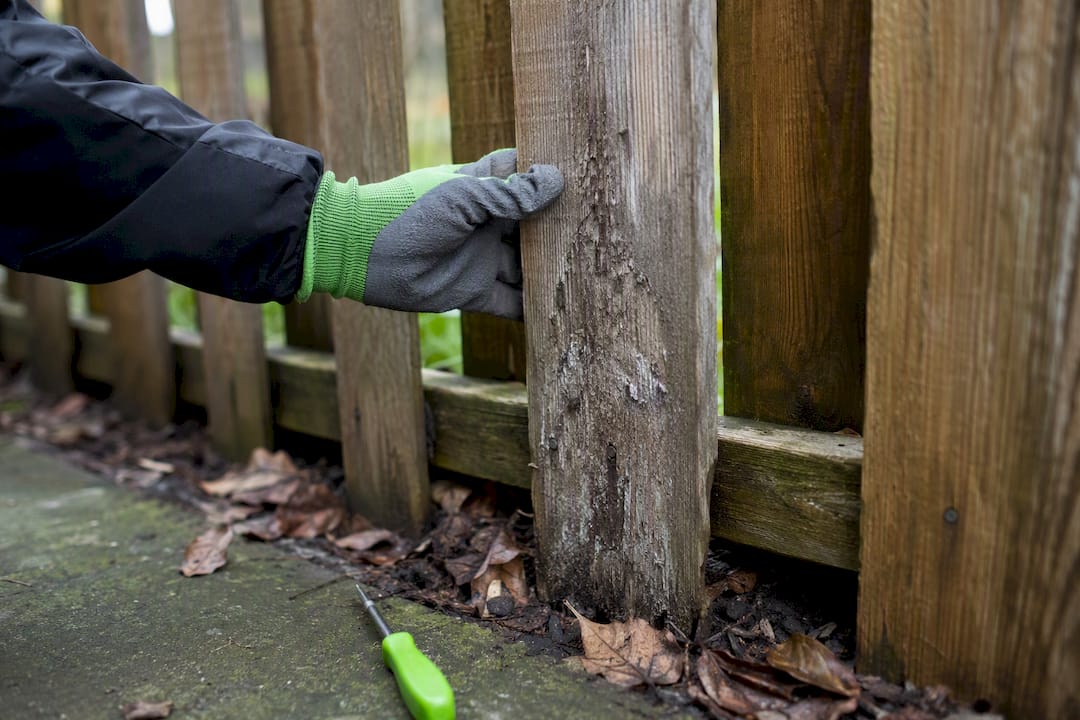
- Inspect posts annually with a simple thumb-squeeze test at the base
That last point matters more than most homeowners realize. A soft or crumbling spot at the base of a post usually signals rot starting from the ground up, not algae staining the surface, and that distinction changes whether you clean or replace. Catching that difference early is often what separates a $40 cleaning weekend from a full section rebuild.
When a Professional Soft Wash Is the Smarter Call
Some jobs are fine for a Saturday afternoon and a garden hose. Others aren’t, and knowing the difference saves you money and headaches. Old or fragile fences, large properties, and anything near a pool, garden bed, or septic drain field are where I’d tell a homeowner to bring in a pro rather than risk it themselves.
A professional soft-wash service brings controlled equipment, plant-safe cleaners, and a rinse process that manages runoff instead of just hosing it wherever gravity takes it. That control usually means a faster dry time and a fence that’s ready for stain sooner. If you’re vetting anyone for this work, ask directly whether they soft wash, what cleaners they use, and whether they carry insurance. A vague answer to any of those three questions is a reason to keep looking.
— Bobby
Get Professional Fence Cleaning From White Diamond Pressure Washing
If your fence line is large, aging, or surrounded by landscaping you don’t want to gamble on, White Diamond Pressure Washing gives you a way to skip the guesswork entirely. We use soft washing and low-pressure techniques with plant-friendly cleaners built for wood, so you get the algae removed without the risk of raised grain, stripped fibers, or dead shrubs along your fence line.

Our team inspects the fence first, picks the right approach for its condition, and handles the rinse and cleanup so you’re not left managing runoff yourself. You’ll also want to know our tips on avoiding common pressure washing mistakes before attempting any DIY work in between visits. Once we’re done, we’ll let you know exactly how long to wait before staining or sealing so the finish actually holds.
Ready to see what your fence looks like without the green film? Request a free estimate and get on the schedule.
Sources
- How to remove algae from fencing — Wickes
- How to Maintain a Wood Fence: Staining, Sealing, Cleaning & Repair — FenceAdvisors
- Fence cleaning tips for different materials — Fence Guys
One thought on “Remove Algae From a Wood Fence, Homeowners: Use Oxygen Bleach Safely”