

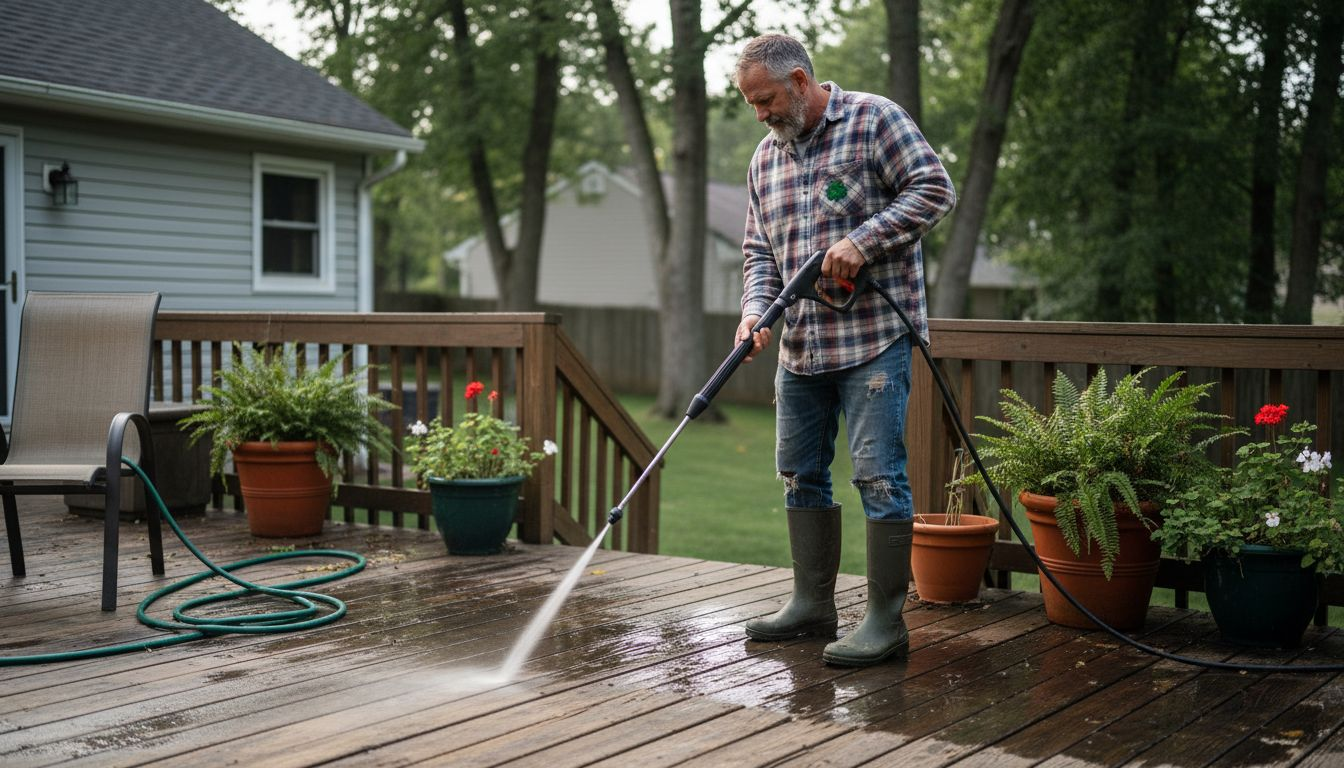
Many homeowners mistakenly believe cranking up the pressure washer to maximum PSI delivers the deepest clean for their deck. In reality, excessive pressure can splinter wood fibers and accelerate decay rather than preserve your outdoor space. Proper deck cleaning involves calibrated methods that remove contaminants while protecting your deck’s integrity, especially critical in Citrus County’s humid climate where mold and algae thrive year round.
Table of Contents
- Understanding Deck Cleaning: Definition And Purpose
- Common Contaminants On Decks And Their Effects
- Deck Cleaning Techniques: Pressure Washing Vs. Soft Washing
- Recommended Frequency And Timing For Deck Cleaning
- Common Misconceptions About Deck Cleaning
- Environmental And Safety Considerations In Deck Cleaning
- Benefits Of Professional Deck Cleaning For Homeowners
- Enhance Your Citrus County Deck With Professional Cleaning
- Frequently Asked Questions About Deck Cleaning
Key takeaways
| Point | Details |
|---|---|
| Deck cleaning removes harmful contaminants | Eliminates mold, algae, and dirt that cause structural damage and safety hazards. |
| Method selection depends on material type | Pressure washing suits durable surfaces while soft washing protects delicate materials. |
| Annual cleaning prevents costly repairs | Regular maintenance in humid climates extends deck lifespan by up to 40%. |
| Common myths lead to damage | Believing higher pressure always cleans better can splinter wood and weaken structures. |
| Professional services maximize value | Expert cleaning improves appearance, safety, and can boost resale value by 5 to 7%. |
Understanding deck cleaning: definition and purpose
Deck cleaning is a maintenance process that removes surface contaminants using pressure washing and detergents to restore aesthetics and preserve material integrity. This systematic approach targets accumulated dirt, organic growth, and biofilms that compromise your deck’s structural soundness and visual appeal.
The primary goals extend beyond simple cosmetics. Cleaning protects your investment by eliminating moisture trapping agents that accelerate rot, especially in Florida’s year round humidity. Different deck materials require tailored approaches. Wood decks demand gentler treatment than composite alternatives to avoid fiber damage.
Proper cleaning preserves structural integrity and delays the need for expensive repairs or premature replacement. When executed correctly, this maintenance practice removes 95% or more of harmful organisms without compromising the underlying material. Professional pressure washing ensures the correct pressure settings and detergent formulations match your specific deck composition.
Key considerations for effective deck cleaning include:
- Selecting appropriate PSI levels based on material hardness and condition
- Using biodegradable cleaning agents that won’t harm surrounding landscaping
- Timing applications during optimal weather conditions for proper drying
- Inspecting for hidden damage during the cleaning process
- Following manufacturer guidelines for composite or treated lumber warranties
Common contaminants on decks and their effects
Mold and algae create more than unsightly dark streaks across your deck surface. These organisms produce slippery biofilms that pose genuine safety risks, particularly dangerous after morning dew or light rain. You’ve likely noticed how certain areas become treacherously slick, especially in shaded sections where moisture lingers.
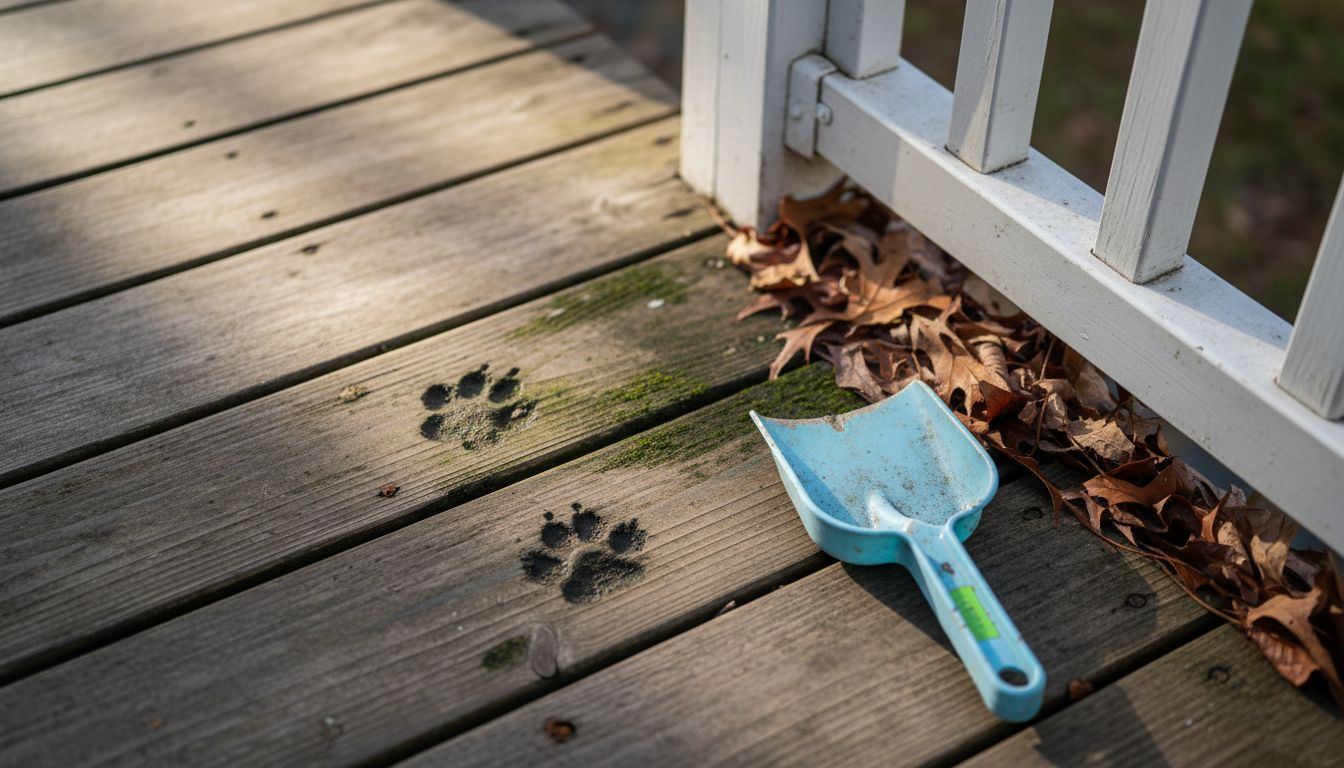
These biofilms do far worse damage beneath the surface by trapping moisture against wood fibers. Sustained contact with trapped water accelerates rot and decay, compromising structural integrity in ways you won’t notice until serious damage occurs. What starts as cosmetic discoloration progresses to soft spots and weakened boards that require costly replacement.
Dirt accumulation might seem harmless compared to organic growth, but it creates its own cascade of problems. Embedded particles act like sandpaper under foot traffic, wearing away protective finishes and sealants. More importantly, dirt traps moisture and debris in surface irregularities, creating ideal conditions for mold spores to establish colonies.
Untreated contamination compounds over time, shortening your deck’s functional lifespan and escalating maintenance expenses. Understanding these effects makes the case for preventive cleaning rather than reactive repairs. Proper pool deck maintenance best practices apply equally to standard residential decks, emphasizing regular removal of these harmful agents.
Common contaminant categories include:
- Organic growth like mold, mildew, algae, and lichen that feed on wood sugars
- Airborne pollutants and industrial fallout that embed in surface pores
- Tannin stains from leaves and vegetation that discolor and attract moisture
- Insect debris and nesting materials that promote pest infestations
Deck cleaning techniques: pressure washing vs. soft washing
Pressure washing deploys water at 500 to 1200 PSI for deep cleaning, effectively removing embedded dirt and stubborn stains from durable surfaces. This method excels at stripping away years of buildup, but carries significant risk when PSI exceeds 1600 or when applied incorrectly to softer materials. The forceful stream can splinter wood fibers, strip protective coatings, and drive moisture deep into lumber where it accelerates internal decay.
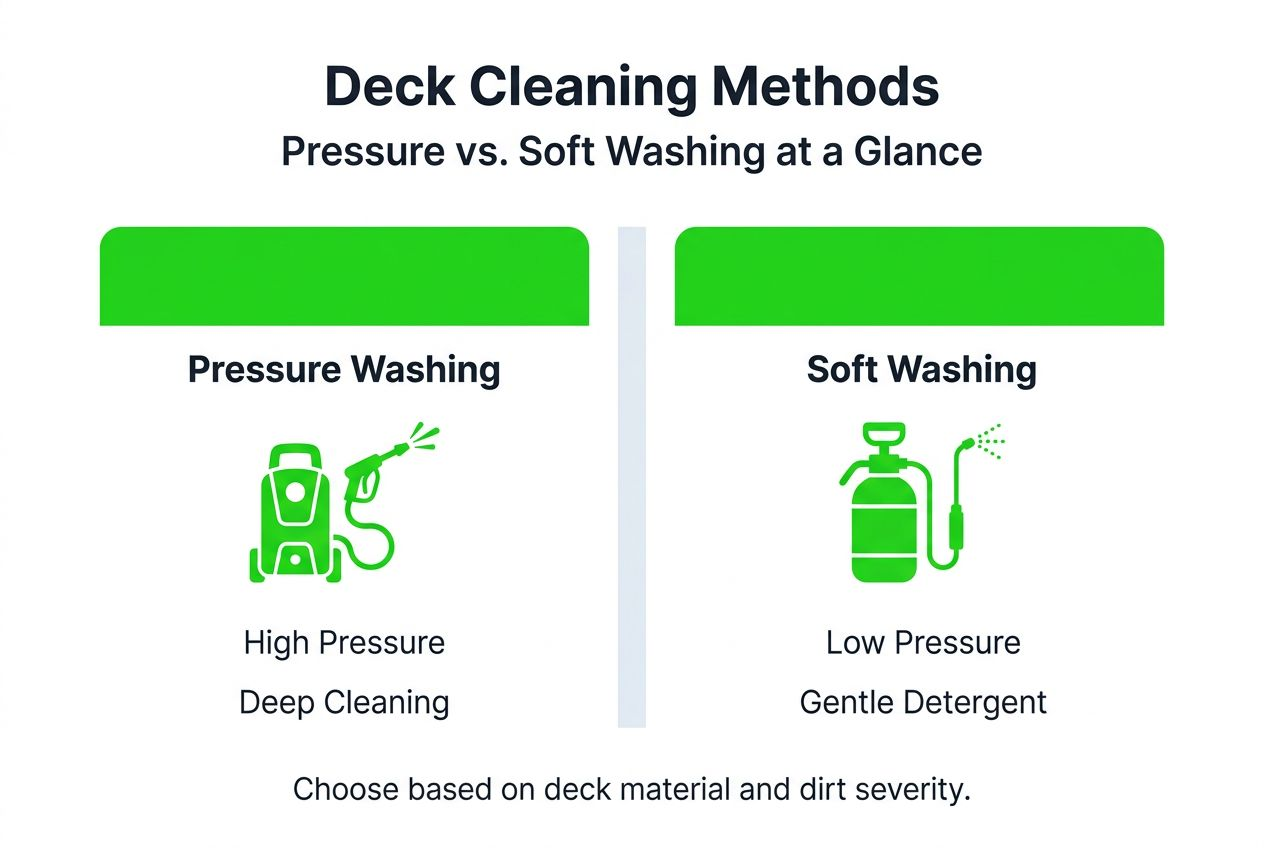
Soft washing takes a gentler approach by combining low pressure application with specialized detergents that break down contaminants chemically rather than mechanically. This technique proves ideal for delicate materials like cedar, pressure treated pine, and composite decking that can’t withstand aggressive cleaning. The cleaning agents do the heavy lifting, allowing water pressure to simply rinse away dissolved grime without surface damage.
Choosing between these methods depends primarily on your deck material and contamination severity. Hardwoods like ipe or teak tolerate higher pressures, while softer species require the measured approach of soft washing. Understanding pressure vs power washing distinctions helps you appreciate how temperature and pressure combine for optimal results.
Professional services calibrate pressure precisely and select detergents formulated for your specific deck composition. They understand the nuanced difference between soft washing vs power washing applications, matching technique to material properties rather than applying one size fits all solutions.
Pro Tip: Always test your chosen pressure setting on a small hidden area like under stairs or behind planters before cleaning the entire deck surface.
Method comparison:
| Technique | Pressure Range | Best For | Key Advantages | Potential Risks |
|---|---|---|---|---|
| Pressure Washing | 500 to 1200 PSI | Hardwoods, concrete | Deep cleaning, efficiency | Fiber damage if misapplied |
| Soft Washing | 100 to 500 PSI | Cedar, composite, aged wood | Material preservation, chemical effectiveness | Requires specialized detergents |
Application considerations:
- Match nozzle angle to surface distance for consistent coverage without gouging
- Maintain steady movement to avoid concentrated pressure in one spot
- Work with the wood grain direction rather than against it
- Rinse thoroughly to remove all detergent residue before drying
Recommended frequency and timing for deck cleaning
Annual deck cleaning represents the minimum standard for humid climates like Citrus County, where consistent moisture and warmth create ideal conditions for mold and algae proliferation. Regular maintenance prevents organic growth from establishing deep root systems that become exponentially harder to remove as time passes. This yearly schedule intercepts contamination before it transitions from surface nuisance to structural threat.
Drier regions might manage with biannual cleaning, but local climate patterns ultimately dictate optimal frequency. You should adjust your schedule based on observable conditions rather than arbitrary calendars. Visible mold patches, slippery surfaces, or persistent discoloration signal the need for immediate attention regardless of when you last cleaned.
Timing your cleaning during mild, dry periods ensures detergents activate properly and surfaces dry completely before moisture returns. Avoid extreme heat that causes cleaning solutions to evaporate before they penetrate contaminants. Direct sunlight can also create uneven drying that leaves streaks or causes rapid deterioration of freshly cleaned wood.
Rain within 24 hours of cleaning washes away protective treatments applied after washing, wasting your effort and investment. Schedule maintenance when weather forecasts promise several consecutive dry days. Investing in exterior cleaning during optimal conditions maximizes return by ensuring treatments cure properly and deliver lasting protection.
Regular inspections immediately after cleaning help identify damage like loose fasteners, cracked boards, or compromised railings while the entire surface is visible and accessible. Addressing minor issues promptly prevents them from escalating into safety hazards or expensive structural repairs.
Scheduling guidelines:
- Spring cleaning removes winter accumulation before peak outdoor season
- Fall maintenance prepares surfaces for cooler months and holiday gatherings
- Post storm assessments catch debris damage and accelerated mold growth
- Pre sealing applications ensure clean surfaces for optimal coating adhesion
Common misconceptions about deck cleaning
Homeowners frequently operate under false assumptions that undermine their maintenance efforts and sometimes cause outright damage. Correcting these misconceptions protects your investment and improves cleaning outcomes.
-
Higher pressure always cleans better: Excessive PSI actually damages wood by separating fibers, creating rough surfaces that trap more dirt and moisture. Proper cleaning balances pressure with chemical action to remove contaminants without compromising material integrity.
-
More frequent cleaning weakens deck wood: This myth confuses aggressive technique with appropriate maintenance intervals. Properly executed cleaning at recommended frequencies actually protects wood from decay by removing moisture trapping contaminants before they cause damage.
-
DIY cleaning matches professional results: While homeowners can certainly clean their own decks, professionals bring calibrated equipment, material specific expertise, and commercial grade eco-friendly detergents that deliver deeper, safer cleaning. The cost difference often proves negligible compared to repairing damage from improper DIY attempts.
-
All cleaning products work equally well: Generic household cleaners or inappropriate chemicals can discolor wood, kill landscaping, or fail to address specific contaminants like deep rooted mold. Purpose formulated deck cleaners target particular organisms while protecting surrounding plants and surfaces.
-
Cleaning eliminates the need for sealing: These processes serve different purposes. Cleaning removes contaminants, while sealing provides protective barriers against future moisture intrusion and UV damage. Both remain essential for comprehensive deck maintenance.
These misconceptions lead directly to increased wear, safety hazards from improper technique, and shortened deck lifespan from accumulated damage. Understanding facts helps you make informed decisions about maintenance approaches and when to call professional pressure washing experts.
Environmental and safety considerations in deck cleaning
Biodegradable detergents minimize harmful runoff that can damage garden plants, contaminate water sources, or pose risks to pets and children who use your outdoor space. Eco-friendly cleaning products break down naturally without leaving toxic residues that persist in soil or groundwater. Selecting these formulations demonstrates environmental responsibility while protecting your immediate surroundings.
Maintaining safe pressure levels prevents damage extending beyond your deck to surrounding landscaping, siding, windows, and outdoor fixtures. Errant high pressure streams can strip paint, crack glass, or dislodge materials, creating repair costs that far exceed cleaning savings. Controlled application protects your entire property investment.
Citrus County regulations govern chemical use and water runoff management to protect local waterways and ecosystems. Compliance isn’t optional, and violations can result in fines or mandated remediation. Understanding pressure washing safety impact helps you operate within legal parameters while protecting community resources.
Personal protective equipment including safety goggles, non slip footwear, and waterproof gloves prevents injuries during cleaning operations. Pressurized water can cause serious lacerations, chemical splashes damage eyes, and wet surfaces create slip hazards. Following established best practices protects you from preventable accidents.
Proper waste water disposal prevents pollutants from entering storm drains that lead directly to natural water bodies. Allowing contaminated runoff to flow freely violates environmental regulations and harms aquatic ecosystems.
Pro Tip: Thoroughly rinse nearby plants before and after deck cleaning, and cover sensitive vegetation with plastic sheeting to shield them from overspray and chemical contact.
Safety protocols:
- Never point pressure washer nozzles at people, pets, or fragile objects
- Maintain stable footing and use extension wands for hard to reach areas
- Ensure proper ventilation when using chemical cleaners
- Keep children and animals away from work areas until surfaces fully dry
- Store cleaning products securely in labeled, childproof containers
Benefits of professional deck cleaning for homeowners
Professional services achieve more thorough contaminant removal than typical DIY approaches by combining commercial grade equipment, material specific expertise, and proven techniques. This comprehensive cleaning reaches embedded grime that household pressure washers simply can’t access, delivering results that restore rather than just refresh your deck’s appearance.
Regular professional cleaning extends deck lifespan by about 40% compared to neglected or improperly maintained surfaces. This dramatic extension delays costly repairs or complete replacement, making professional service a sound financial investment rather than an optional expense. The math becomes compelling when you compare service fees against the $8,000 to $15,000 typical deck replacement costs.
A well maintained deck significantly improves curb appeal, and studies show this enhancement can increase home resale value by 5 to 7% in humid regions where outdoor living spaces carry premium value. Potential buyers notice clean, well maintained exteriors immediately, and these positive first impressions influence offer amounts and negotiation positions.
Experts understand how to calibrate pressure settings and select safe, eco-friendly products appropriate for your specific deck material. This knowledge prevents the costly damage that results from guesswork or generic approaches. They recognize subtle differences between wood species, composite formulations, and coating types that dictate proper cleaning parameters.
Professional inspection during cleaning catches hidden damage like dry rot, insect infestation, or structural weakness before these issues compromise safety or require emergency repairs. Early detection allows scheduled, budget friendly fixes rather than crisis interventions.
“Our composite deck looked permanently stained after five Florida summers. White Diamond’s soft washing technique removed discoloration we thought was permanent, and they spotted loose railing bolts we hadn’t noticed. The deck looks new again, and we avoided a potential safety issue.” — Citrus County Homeowner
Case studies consistently demonstrate visible restoration of original deck color and texture after professional treatment, with before and after comparisons showing dramatic improvements that justify service investments. Understanding professional exterior cleaning benefits helps homeowners appreciate value beyond simple appearance improvements.
Additional advantages include:
- Time savings from efficient commercial equipment and experienced crews
- Liability protection through insured, licensed service providers
- Warranty preservation for composite decking requiring specific maintenance
- Expert recommendations for sealing, staining, and ongoing care
- Access to advantages of professional pool cage and deck cleaning for comprehensive property maintenance
Enhance your Citrus County deck with professional cleaning
Your deck represents a significant investment in outdoor living space and home value. Protecting that investment requires more than occasional hosing or generic cleaning attempts. White Diamond Pressure Washing brings specialized expertise in deck restoration tailored specifically to Citrus County’s challenging climate conditions.

Our calibrated equipment and eco-friendly detergents deliver the thorough cleaning your deck needs without risking damage to materials or surrounding landscaping. We understand the nuances of different deck compositions and adjust our approach to match, whether you have classic pressure treated lumber, exotic hardwoods, or modern composite materials. The professional exterior cleaning benefits extend beyond appearance to structural preservation and safety enhancement.
Our comprehensive pressure washing services include detailed inspection during cleaning to identify potential issues before they become expensive problems. We leverage low pressure washing advantages for delicate surfaces while applying appropriate force for stubborn contamination. Contact us today for a free consultation and discover how professional deck cleaning can restore your outdoor space while extending its functional lifespan.
Frequently asked questions about deck cleaning
How often should I clean my deck in Citrus County?
Annual cleaning represents the minimum recommended frequency for Citrus County’s humid climate where mold and algae grow year round. If you notice visible organic growth, persistent discoloration, or slippery surfaces before your scheduled cleaning, address these issues immediately rather than waiting for your annual service.
Can pressure washing damage my composite deck?
Yes, excessive pressure absolutely damages composite materials by stripping protective coatings and creating surface roughness that traps dirt. Composite decking requires soft washing techniques with specialized detergents at 500 PSI or less to clean effectively without compromising material integrity or voiding manufacturer warranties.
Are deck cleaning chemicals safe for my pets and plants?
Biodegradable, eco-friendly deck cleaning products designed for residential use pose minimal risk when applied correctly and rinsed thoroughly. Professional services protect surrounding vegetation during application and ensure complete chemical removal. Keep pets off treated surfaces until they fully dry, typically 2 to 4 hours depending on weather conditions.
What’s the difference between cleaning and sealing my deck?
Cleaning removes accumulated contaminants, mold, and dirt to restore appearance and prevent decay, while sealing applies protective coatings that repel moisture and block UV damage. These complementary processes work together for comprehensive deck protection. Always clean thoroughly before sealing to ensure proper coating adhesion and performance.
How do I know if I need professional deck cleaning?
Consider professional service if you notice widespread mold growth, deep staining, or if previous DIY attempts produced unsatisfactory results. Valuable or delicate deck materials, lack of proper equipment, or uncertainty about appropriate techniques also warrant professional expertise. The investment typically costs less than repairing damage from improper cleaning methods.
Will deck cleaning remove all stains and discoloration?
Professional cleaning removes most organic stains, dirt accumulation, and surface discoloration caused by mold and algae. However, deep tannin stains from leaves, permanent UV damage to wood fibers, or discoloration from metal fastener rust may require additional treatment or may be permanent. Assessment during initial inspection determines realistic expectations for your specific situation.
Recommended
- Keep Your Pool Deck Pristine: Best Practices for Maintenance – white-diamond-pressure
- 7 Essential Types of Exterior Cleaning Every Homeowner Should Know – white-diamond-pressure
- Effective Roof Cleaning Techniques for Homeowners – white-diamond-pressure
- 7 Essential Tips for Your Spring Cleaning Exterior Checklist – white-diamond-pressure
3 thoughts on “What is deck cleaning? A homeowner’s 2026 guide”