

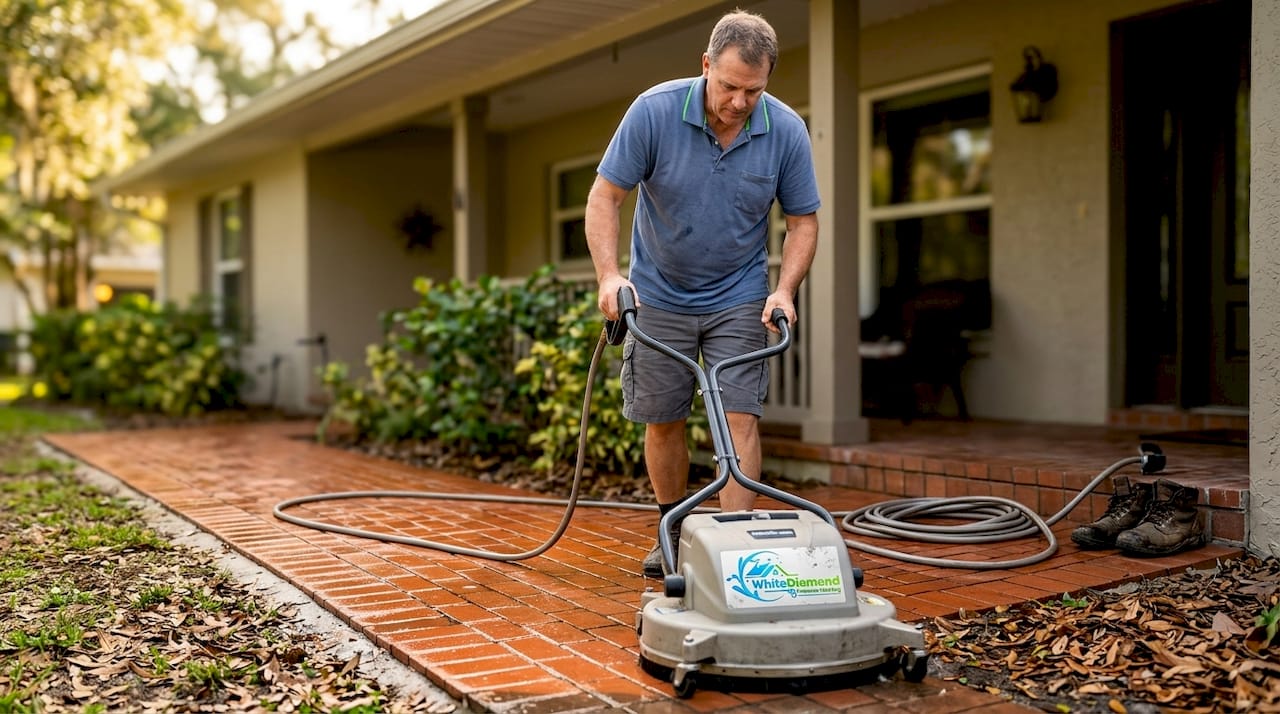
If you live in Citrus County, you already know that walkway cleaning has nothing to do with shoveling snow. Around here, it means something far more important: removing the dirt, algae, mold, and stains that Florida’s heat and humidity pile onto your outdoor surfaces year-round. Many homeowners assume a quick sweep or a garden hose rinse is enough, but that barely scratches the surface. Real walkway cleaning protects your property, keeps your family safe, and keeps your home looking sharp. This guide walks you through every method, decision, and aftercare step you need to know.
Table of Contents
- What is walkway cleaning?
- How walkway cleaning works: Step-by-step
- Pressure vs. soft washing for walkways: Which to use?
- DIY or hire a professional? What Citrus County homeowners should weigh
- Maintaining walkway cleanliness: Aftercare tips
- Top benefits of walkway cleaning for Citrus County homes
- Walkway cleaning made easy: Trusted local help for Citrus County
- Frequently asked questions
Key Takeaways
| Point | Details |
|---|---|
| Local definition | In Citrus County, walkway cleaning means washing away dirt and buildup, not snow removal. |
| Method matters | Choosing the right pressure or soft wash technique protects surfaces and delivers better results. |
| DIY vs. pro | Pros bring expertise, safety, and longer-lasting cleanliness compared to DIY efforts. |
| Aftercare essentials | Regular checks and sealing extend the clean look and durability of your walkway. |
| Boosts home value | Clean walkways elevate both curb appeal and property value for Citrus County homes. |
What is walkway cleaning?
Walkway cleaning in Citrus County is not about clearing ice or leaves off a path. It is about washing away dirt, stains, and organic growth that build up on exterior surfaces over time. Think concrete paths, brick entryways, stone pavers, and decorative tile. These surfaces face constant exposure to rain, humidity, tree debris, and Florida’s relentless sun, which creates the perfect environment for algae, mold, and mildew to thrive.
The goals of a proper walkway cleaning are straightforward:
- Remove embedded dirt, oil stains, and rust marks
- Eliminate slippery algae, moss, and mold growth
- Restore the original color and texture of the surface
- Boost curb appeal and protect property value
- Reduce slip and fall hazards for your family and guests
A clean walkway is not just about looks. Algae and mold on wet pavers can be as slippery as ice, making regular cleaning a genuine safety priority for any Citrus County home.
Understanding the sidewalk cleaning basics helps you make smarter decisions about frequency, method, and when to call in a professional. Now that we’re clear on the local definition, let’s break down how walkway cleaning actually works.
How walkway cleaning works: Step-by-step
The process is more involved than most homeowners expect. A thorough cleaning follows a clear sequence, and skipping steps leads to patchy results or surface damage. Here is how professionals and experienced DIYers approach it:
- Sweep and clear debris. Remove loose leaves, dirt, and any furniture or obstacles from the walkway before any water or chemicals touch the surface.
- Pre-treat stains. Apply a targeted cleaner or degreaser to oil spots, rust, or heavy organic staining. The pre-treatment dwell time typically runs 5 to 20 minutes depending on the product and stain severity.
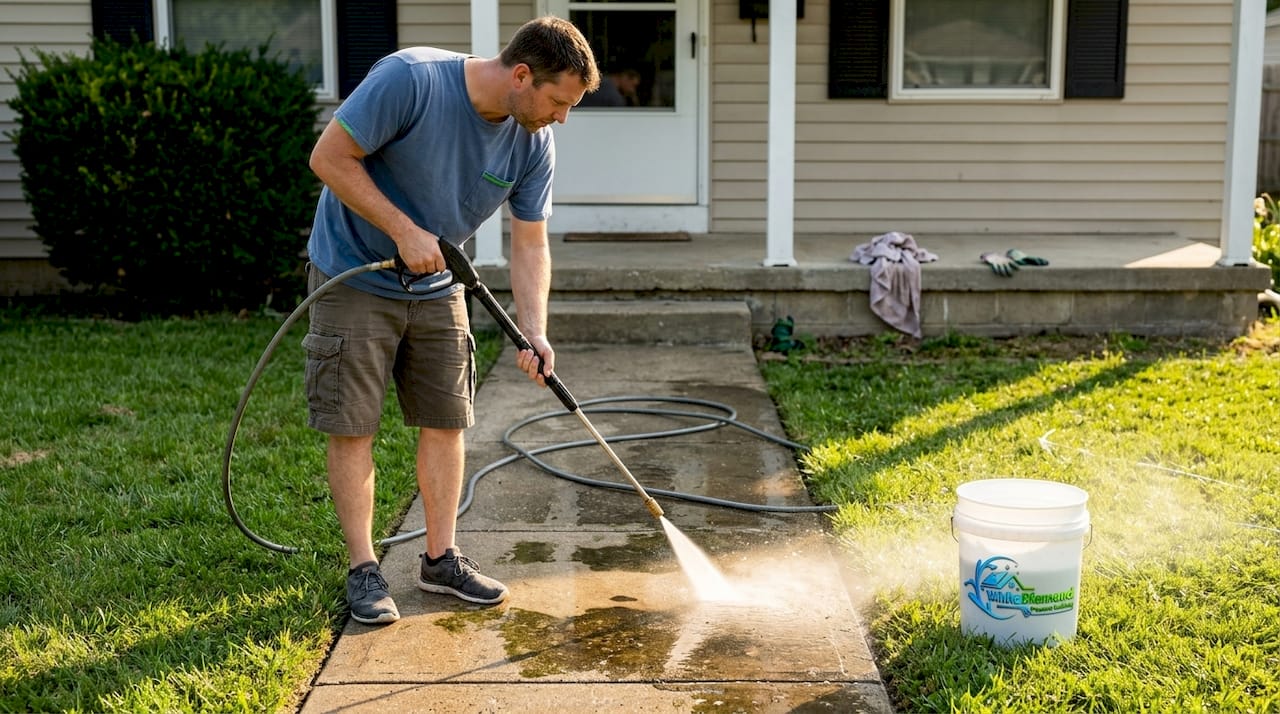
- Apply pressure or soft wash. Work in sections, moving the wand or surface cleaner in consistent overlapping passes to avoid streaking.
- Rinse thoroughly. Flush all cleaning solution and loosened debris away from the surface and away from landscaping.
- Optional sealing. Once the surface is fully dry, a sealant can be applied to lock in the clean and protect against future buildup.
Equipment matters here. Professionals use surface cleaners, adjustable nozzles, commercial-grade detergents, and either pressure washers or soft wash systems depending on the material. Exploring driveway cleaning methods gives you a solid comparison of how similar surfaces are handled. You can also review the full range of types of exterior cleaning to see where walkways fit in the bigger picture.
Professional cleaning can boost walkway appearance and safety by up to 50% compared to a basic rinse, making the investment worthwhile for most homeowners.
Pro Tip: Always test your cleaning solution on a small, hidden section of the walkway first. Some detergents can lighten certain pavers or react with older sealants in unexpected ways.
With the process in mind, the next question is which method and pressure is right for your pathways.
Pressure vs. soft washing for walkways: Which to use?
Not every walkway surface handles high-pressure water the same way. Choosing the wrong method can etch stone, blow out mortar joints, or strip sealant. Understanding the difference between pressure washing and soft washing is essential before you start.
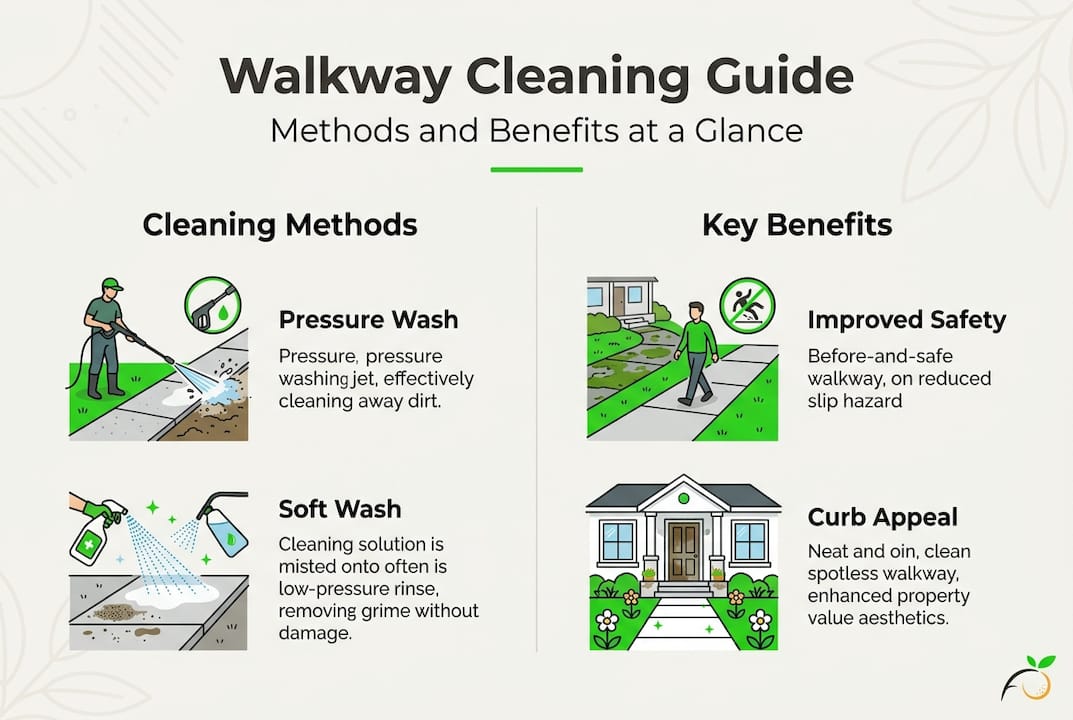
Pressure washing uses high-force water to blast away dirt and stains. It works well on dense concrete surfaces that can handle the force without damage. Soft washing uses low pressure combined with specialized cleaning solutions to lift organic growth and staining gently. It is the right call for brick, natural stone, and pavers where high pressure would cause harm. You can read a detailed pressure vs soft washing breakdown to understand the mechanics further.
Here is a quick reference for common walkway surfaces:
| Surface | Recommended method | Risk if wrong method used |
|---|---|---|
| Concrete | Pressure washing | Low risk with proper nozzle |
| Brick | Soft washing | Joint erosion, surface pitting |
| Natural stone | Soft washing | Etching, cracking, discoloration |
| Pavers | Soft washing or low pressure | Sand loss, surface damage |
| Tile | Low pressure or soft wash | Grout damage, cracking |
For brick surfaces specifically, brick cleaning tips outline exactly why gentle methods protect the material long-term. The soft washing steps page also walks through the full low-pressure process in detail. As a general rule, use low pressure for brick, pavers, and stone and reserve high pressure for concrete only. Avoid zero-degree nozzles on any walkway surface.
Pro Tip: Professionals adjust nozzle type, distance, and pressure for each specific material. That precision is what separates a clean walkway from a damaged one.
Different methods suit different walkway types, so is DIY enough, or is a pro needed?
DIY or hire a professional? What Citrus County homeowners should weigh
Doing it yourself has real appeal. You control the schedule, and you skip the service fee. But walkway cleaning done wrong can cost far more in repairs than a professional visit ever would.
DIY pros:
- Lower upfront cost
- Flexible timing
- Good for light surface dirt and routine maintenance
DIY cons:
- Risk of surface damage from wrong pressure or chemicals
- Time-intensive, especially for larger areas
- Consumer-grade equipment lacks the cleaning power of professional units
- No insurance coverage if something goes wrong
Professional pros:
- Expertise with all surface types and stain categories
- Commercial equipment delivers deeper, longer-lasting results
- Insured and accountable for the outcome
- Faster completion with better consistency
Professional cons:
- Higher upfront cost than DIY
While soap and a scrub brush can handle light surface grime, professionals bring equipment and knowledge that prevent costly mistakes. Over 80% of homeowners report better walkway longevity and results after hiring a pro compared to repeated DIY attempts.
| Factor | DIY | Professional |
|---|---|---|
| Cost | Lower upfront | Higher upfront, lower long-term |
| Effectiveness | Moderate | High |
| Risk of damage | Higher | Very low |
| Time required | Several hours | 1 to 2 hours typically |
| Satisfaction rate | Variable | Consistently high |
Reviewing professional cleaning advantages and understanding DIY pressure washing risks will help you make the right call for your specific situation.
Once you’ve decided on your cleaning approach, understanding aftercare is crucial for lasting results.
Maintaining walkway cleanliness: Aftercare tips
A freshly cleaned walkway looks great. Keeping it that way takes a little ongoing effort, but nothing overwhelming. The right aftercare routine extends the time between professional cleanings and keeps your surfaces looking their best.
- Monthly visual checks. Walk your paths and look for early signs of algae, moss, or staining. Catching growth early means easier removal.
- Spot clean promptly. A small stain treated quickly with a mild cleaner and a stiff brush rarely becomes a big problem.
- Re-seal on schedule. Sealing after cleaning protects walkways from stains and future organic buildup. Most sealants last one to three years depending on traffic and weather exposure.
- Manage plant debris. Leaves, berries, and mulch left sitting on walkways accelerate staining and feed mold growth. Clear them regularly.
Pro Tip: Keep your gutters clean and trim back overhanging plants near walkways. Dripping gutters and dense shade are the two biggest contributors to algae growth on outdoor surfaces in Citrus County.
Avoiding common pressure washing mistakes during your own maintenance sessions will also protect your surfaces between professional visits. With a clear care plan, let’s recap the standout benefits walkway cleaning offers for Citrus County homes.
Top benefits of walkway cleaning for Citrus County homes
Clean walkways do more than look good. They deliver real, measurable value across several areas of homeownership.
- Curb appeal. A bright, clean path is one of the first things visitors and potential buyers notice. Walkway cleaning directly boosts curb appeal and makes the entire property look well-maintained.
- Safety. Algae and mold on wet surfaces create serious slip hazards. Regular cleaning removes that risk for your family and guests.
- Extended surface life. Organic growth and embedded grime break down surface materials over time. Cleaning regularly prevents that deterioration and delays expensive repairs.
- Higher home value. Homes with clean, well-maintained exteriors sell 5 to 10% faster on average than comparable properties with neglected outdoor spaces.
- Reduced repair costs. Catching and removing growth early prevents the kind of deep staining and surface damage that requires grinding, patching, or full replacement.
Exploring the full range of exterior cleaning benefits shows just how much regular maintenance contributes to your home’s long-term value. Ready to make your walkways shine and protect your investment? Here’s the best way to get started locally.
Walkway cleaning made easy: Trusted local help for Citrus County
Knowing the right method is one thing. Having the right team execute it is another. At White Diamond Pressure Washing, we specialize in walkway cleaning tailored to Citrus County’s specific climate and surface types. Florida’s humidity and heat demand a different approach than what works in drier states, and our team knows exactly how to handle it.

We use industry-approved soft washing and low-pressure techniques that protect your brick, stone, pavers, and concrete while delivering a deep, lasting clean. The low-pressure washing benefits are especially important for older or more delicate walkway materials. Our soft washing process is designed to lift organic growth without damaging the surface underneath. Reach out today for a free estimate and see what a professionally cleaned walkway can do for your home.
Frequently asked questions
What is included in a typical walkway cleaning service?
Service usually covers debris removal, pre-treatment of stains, thorough pressure or soft washing, and optional sealing for long-term surface protection.
How often should walkways be cleaned in Citrus County?
Most experts recommend annual professional cleaning at minimum, with more frequent service if algae, mold, or heavy staining appears between visits.
Can walkway cleaning damage my surfaces?
Using the wrong pressure on brick or stone can cause etching and joint loss. Soft washing for stone and brick prevents that damage by relying on cleaning solutions rather than force.
Is walkway cleaning safe for pets and plants?
Most professional services use biodegradable, eco-friendly cleaners and rinse thoroughly to minimize any risk. Always ask your provider about the specific products they use.
Is there a difference between walkway and driveway cleaning?
Yes. Driveways often carry heavier oil stains and vehicle traffic residue, so pressure settings are adjusted higher than what is typically used on walkways.
Recommended
- Best practices for property cleaning in Citrus County 2026 – white-diamond-pressure
- Importance of Driveway Cleaning for Citrus County Homes – white-diamond-pressure
- Why Invest in Exterior Cleaning for Citrus County Homes – white-diamond-pressure
- 7 Smart Driveway Cleaning Methods for Citrus County Homes – white-diamond-pressure
- Travertine Decor Maintenance Workflow for Lasting Luxury – Marmorique
3 thoughts on “Walkway Cleaning: Methods, Benefits & Pro Tips for Citrus County”