

TL;DR:
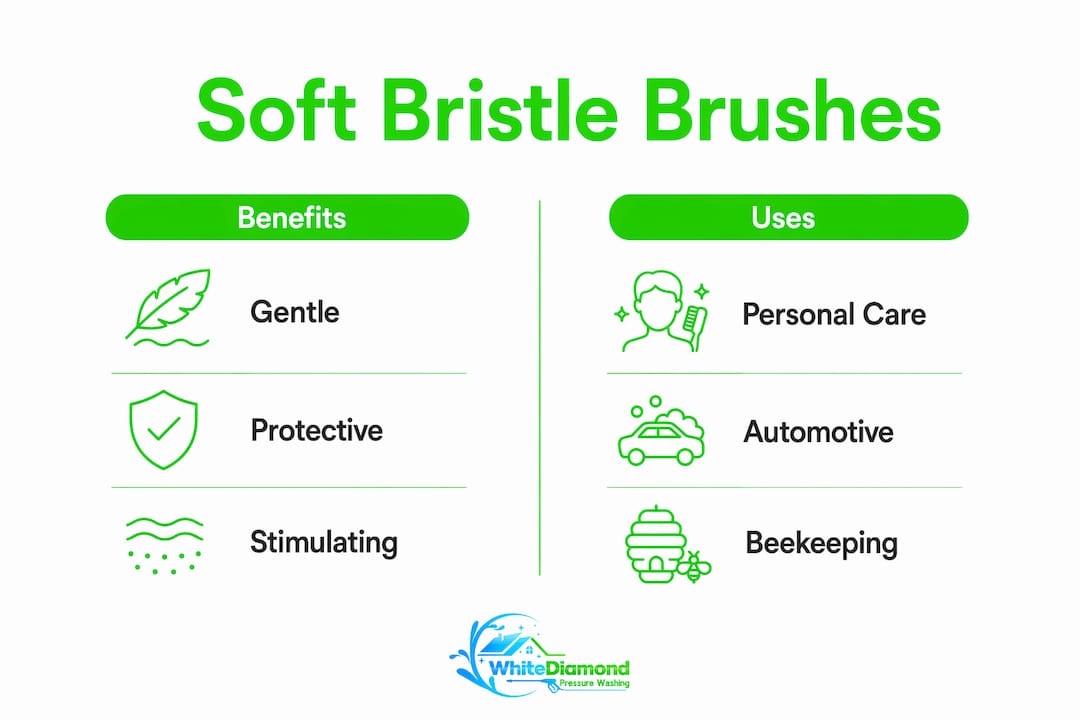
- Soft bristle brushes provide gentle contact that protects delicate surfaces across personal care, automotive, and cleaning uses. Choosing the right brush stiffness prevents surface damage, improves results, and extends tool lifespan. Proper maintenance and sterilization ensure they remain effective and safe for repeated use.
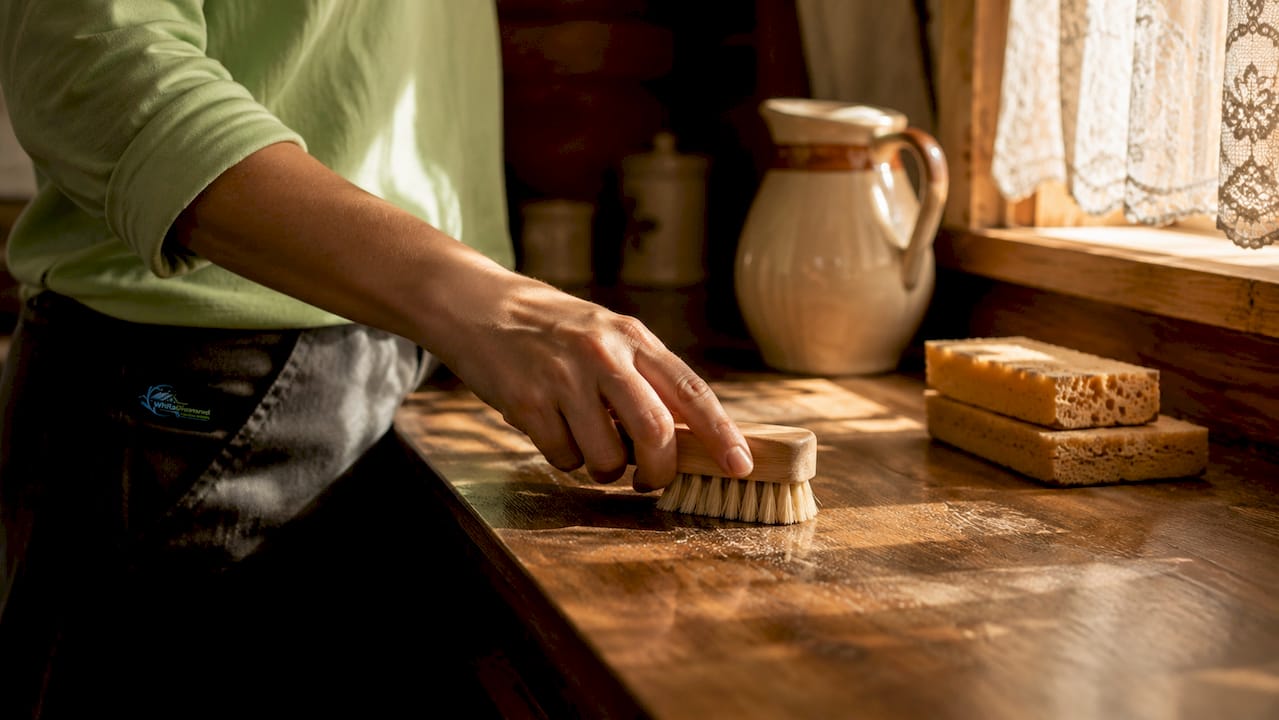
Soft bristle brushes are defined as cleaning and grooming tools with flexible, low-stiffness fibers designed to clean, polish, or groom surfaces without causing abrasion or structural damage. The role of soft bristle brushes spans hair care, skincare, automotive detailing, beekeeping, and household cleaning. Each application shares one common requirement: effective contact without surface harm. Whether you are brushing fine hair, cleaning a car’s clear coat, or managing a beehive, the right bristle softness determines the outcome.
How do soft bristle brushes differ from stiff bristle brushes?
Soft bristle brushes reduce contact force, minimizing cuticle damage and surface scratching compared to stiff bristle brushes built for heavy scrubbing. That difference in force is not minor. It determines whether a surface gets polished or damaged.
Soft brushes create a yielding contact event that favors surface polish and calm grooming, while firm brushes perform more penetrating, assertive actions. Bass Brushes research confirms that bristle softness fundamentally alters brushing force and outcome. A soft brush glides; a stiff brush digs.
| Scenario | Soft bristle brush | Stiff bristle brush |
|---|---|---|
| Fine or fragile hair | Ideal: redistributes oils without breakage | Damaging: causes split ends and breakage |
| Sensitive or reactive skin | Safe: stimulates without irritation | Risky: causes redness and micro-abrasion |
| Automotive clear coat | Correct: prevents micro-marring | Harmful: scratches and dulls finish |
| Concrete or grout scrubbing | Insufficient: too gentle for heavy grime | Effective: designed for abrasive tasks |
| Beehive inspections | Correct: displaces bees without aggression | Dangerous: triggers defensive stinging |
The table above shows that neither brush type is universally superior. The right choice depends entirely on the surface and the task. Using a stiff brush on a car’s paint or a person’s scalp is not a shortcut. It is a mistake with real costs.
Pro Tip: When in doubt about bristle stiffness, press the brush lightly against your inner wrist. If it scratches or drags, it is too stiff for sensitive surfaces.
What are the benefits of soft bristle brushes for sensitive skin and fine hair?
Soft bristle brushes stimulate microcirculation in the skin without causing irritation, making them the preferred tool for sensitive skin care. That gentle stimulation increases blood flow to the skin’s surface, which supports cell renewal and product absorption. Brands like Bachca have built their Facial Cleansing Brush around ultra-soft synthetic fibers specifically to deliver this effect without triggering reactions in reactive skin types.
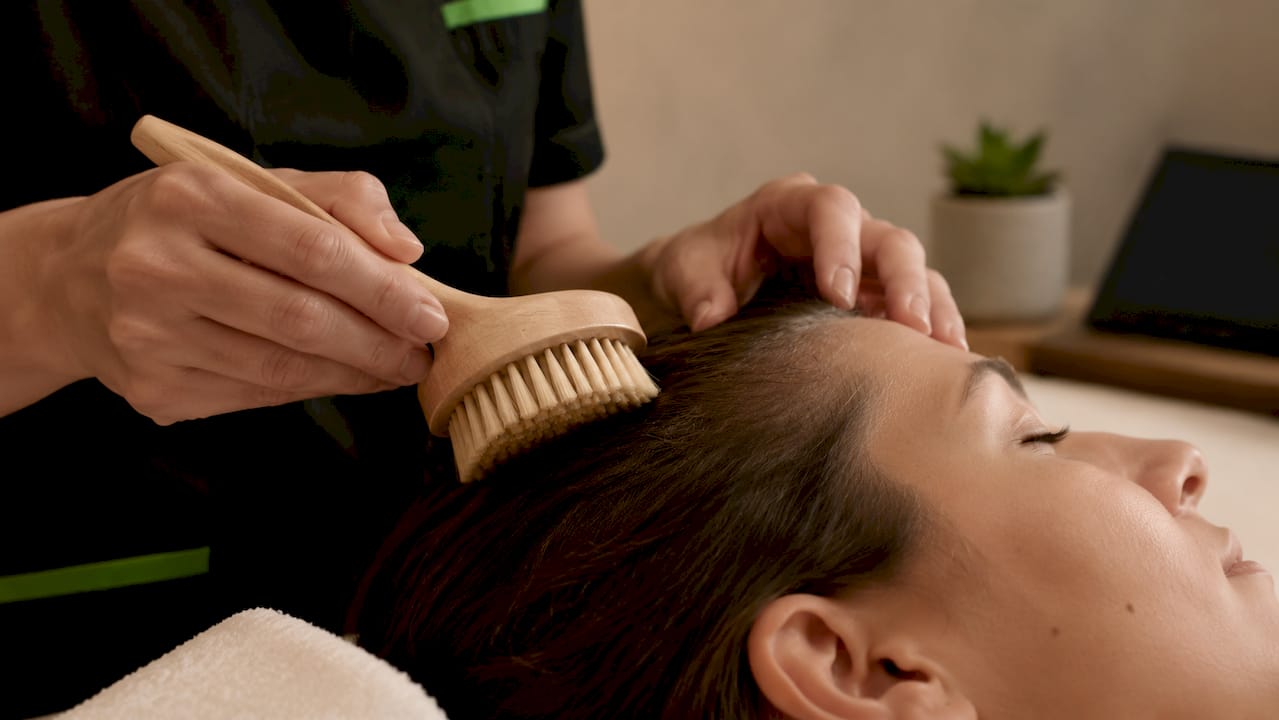
Soft nylon bristle brushes provide flexible, gentle detangling for sensitive scalps and various hair textures, reducing breakage and improving comfort. They adapt to hair length and texture rather than forcing the hair into compliance. That adaptability is what makes them safe for daily use.
For fine hair specifically, soft boar bristle brushes redistribute natural scalp oils from root to end without flattening the hair or creating visible oil buildup. Fine hair is easily weighed down. A soft boar bristle brush from Bass Brushes moves oils along the hair shaft in a way that adds shine without sacrificing volume.
Key benefits of soft bristle brushes for personal care include:
- Microcirculation support: Gentle bristle contact increases blood flow to the scalp and skin without causing redness or irritation.
- Oil redistribution: Soft boar bristles carry natural sebum from the scalp to the mid-lengths and ends, conditioning hair naturally.
- Reduced breakage: Flexible fibers bend around tangles rather than pulling through them, cutting mechanical hair damage.
- Sensitive skin safety: Ultra-soft synthetic fibers, as used in the Bachca Facial Cleansing Brush, deliver exfoliation without triggering flare-ups in reactive skin.
- Exfoliation without abrasion: The Relaxus Spa Wool Facial Brush is recommended for use 2–3 times weekly to exfoliate and stimulate skin without the micro-tears that coarser tools cause.
Pro Tip: Always patch test a new facial brush on your inner arm before using it on your face. Even soft bristles can cause reactions in highly sensitive skin types.
In what cleaning tasks and specialized uses do soft bristle brushes play an essential role?
Soft bristle brushes are not limited to personal care. Their gentle contact makes them the correct tool in several professional and specialized cleaning contexts where surface integrity is non-negotiable.
Automotive detailing
High-quality soft bristle brushes safely agitate grime in automotive detailing without causing micro-marring that stiff brushes often induce on clear coats. Micro-marring refers to the fine surface scratches that dull a car’s paint finish over time. These scratches are often invisible in low light but become obvious under direct sunlight. Professional detailers treat soft bristle brushes as a required investment, not an optional accessory. Titan Coatings specialists confirm that protecting a vehicle’s finish long-term depends on using the correct brush stiffness at every stage of the cleaning process.
Beekeeping inspections
Soft bristle brushes in beekeeping displace bees gently during hive inspections, avoiding the defensive behaviors that rough contact triggers. A stiff brush pressed against a bee releases alarm pheromones, which signals the colony to sting. A soft brush moves bees aside without crushing or alarming them. That distinction matters enormously when you are working with tens of thousands of insects.
Home and household cleaning
Soft bristle brushes protect painted walls, sealed wood floors, and coated glass surfaces during routine cleaning. They remove dust and light grime without scratching finishes that harsher tools would damage. For window cleaning, soft bristles remove debris from frames and sills without leaving marks on glass or stripping sealant from edges.
Specialized soft bristle brush applications at a glance:
- Automotive: Cleans vents, emblems, and painted panels without scratching clear coat finishes.
- Beekeeping: Moves bees off frames during inspections without triggering colony aggression.
- Window and glass: Removes grime from frames and edges without scratching glass surfaces.
- Sealed wood floors: Dusts and lightly scrubs without stripping protective coatings.
- Electronics: Removes dust from keyboards, vents, and screens without static damage or scratching.
How to properly use and maintain soft bristle brushes for best results?
Proper technique extends brush life and protects the surfaces you are cleaning. These steps apply across personal care, automotive, and household applications.
- Use light, consistent pressure. Let the bristles do the work. Pressing harder does not improve results with soft bristles. It bends the fibers out of shape and reduces their effectiveness.
- Work in short, overlapping strokes. Short strokes give you control and prevent you from dragging debris across clean areas. For hair, brush from root to end in sections.
- Clean the brush after every use. Remove trapped hair, dust, or product residue immediately after use. Residue left in bristles hardens and reduces flexibility over time.
- Wash with mild soap and lukewarm water weekly. For facial brushes like the Bachca Facial Cleansing Brush or Relaxus Spa Wool Facial Brush, rinse bristles under lukewarm water with a drop of gentle soap. Avoid hot water, which distorts bristle shape.
- Dry bristles facing downward. Lay the brush flat or hang it bristle-down after washing. Storing a wet brush bristle-up allows water to pool in the base, which loosens the glue holding bristles in place.
- Replace brushes on schedule. Soft bristles lose their flexibility with repeated use. A brush that no longer springs back after contact is no longer doing its job. For toothbrushes, dentists recommend replacement every three months.
- Sterilize beekeeping brushes between hives. Beekeeping brushes require sterilization protocols to prevent mechanical transmission of pathogens between colonies. Simple rinsing is not sufficient.
The most common mistake people make is using a soft bristle brush past its useful life. Worn bristles splay outward and apply uneven pressure, which defeats the purpose of using a soft brush in the first place.
What expert insights reveal about the nuanced roles of soft bristle brushes?
Experts across grooming, automotive care, and beekeeping consistently point to bristle softness as a variable that most people underestimate. The difference between a good result and a damaged surface often comes down to one decision: bristle stiffness.
Bass Brushes specialists describe soft bristle contact as a “yielding event,” meaning the brush adapts to the surface rather than imposing force on it. That adaptability is what makes soft brushes effective on irregular or fragile surfaces. A stiff brush cannot make that adjustment.
“The trend toward ultra-soft synthetic or wool fibers is driven by demand for non-allergenic, gentle mechanical action that enhances skin microcirculation and absorption.” — Bachca and Wahalifestyle product research, 2026
Professional automotive detailers at Titan Coatings describe soft bristle brushes as an investment in finish protection rather than a routine supply purchase. The cost of repainting a panel damaged by micro-marring far exceeds the cost of a quality detailing brush. That framing shifts how detailers think about brush selection.
Beekeeping biosecurity adds another layer of complexity. Honest Bee Ltd research confirms that mechanical transmission of pathogens between colonies via brushes is a documented risk. A soft bristle brush that is not sterilized between hives becomes a disease vector regardless of how gently it is used. Proper sterilization protocols are not optional in professional beekeeping.
Key takeaways
Soft bristle brushes protect surfaces and materials by delivering gentle, controlled contact that stiff brushes cannot replicate across hair care, skincare, automotive detailing, and beekeeping.
| Point | Details |
|---|---|
| Bristle softness determines outcome | Soft bristles polish and protect; stiff bristles scrub and risk damage on delicate surfaces. |
| Personal care benefits are measurable | Soft boar and nylon bristles redistribute oils, reduce breakage, and support scalp health without irritation. |
| Specialized uses require the right brush | Automotive detailing and beekeeping both depend on soft bristles to prevent costly or dangerous outcomes. |
| Maintenance extends brush performance | Weekly cleaning, proper drying, and timely replacement keep soft bristles flexible and effective. |
| Sterilization is non-negotiable in beekeeping | Soft brushes used across multiple hives must be sterilized to prevent pathogen transmission between colonies. |
Why I stopped underestimating bristle softness
Most people grab whatever brush is nearby. I did the same thing for years. The shift happened when I watched a car detailer spend 20 minutes explaining why he would not use a single brush that was not rated for clear coat contact. He had seen too many paint jobs ruined by a brush that looked fine but was too stiff for the surface.
That conversation changed how I think about brush selection across every application. The same logic applies to hair care, skincare, and even beekeeping. The surface you are working on has a tolerance. Exceed it and you cause damage. Stay within it and you get the result you want.
The underrated insight here is that soft bristle brushes are not just for delicate people or fragile surfaces. They are the correct tool for any task where the surface finish matters more than raw scrubbing power. That covers more situations than most people realize.
The low-pressure washing principle works exactly the same way. Less force, applied correctly, protects surfaces while still cleaning them thoroughly. The professionals who understand this produce better results with less damage. That is not a coincidence.
One thing I would add that most guides skip: replace your brushes before they look worn out. By the time bristles are visibly splayed, they have already been underperforming for weeks. Build replacement into your routine rather than waiting for obvious signs of wear.
— Bobby
How Whitediamondpressurewashing applies the same gentle-contact principle

The same logic that makes soft bristle brushes effective on delicate surfaces drives every service Whitediamondpressurewashing provides in Citrus County. Soft washing uses low pressure and specialized cleaning solutions to remove algae, mold, and grime from roofs, siding, and driveways without damaging the surface underneath. Stiff pressure and abrasive contact cause the same problems on exterior surfaces that stiff brushes cause on paint or skin. Whitediamondpressurewashing’s soft washing process is built around that principle. If you want exterior cleaning that protects your home’s finish rather than stripping it, get a free estimate from Whitediamondpressurewashing today.
FAQ
What is the role of soft bristle brushes in hair care?
Soft bristle brushes redistribute natural scalp oils from root to end, reduce mechanical breakage, and support scalp health without irritation. Bass Brushes research confirms they are the correct choice for fine or fragile hair types.
Are soft bristle brushes better for sensitive skin?
Yes. Soft bristles stimulate microcirculation and remove dead skin cells without causing micro-tears or redness. Tools like the Bachca Facial Cleansing Brush use ultra-soft synthetic fibers specifically for reactive and sensitive skin.
Why do dentists recommend soft bristle toothbrushes?
Dentists recommend soft bristle toothbrushes because they clean teeth effectively while preventing enamel wear and gum irritation that firm bristles cause with regular use.
How often should you clean a soft bristle brush?
Remove debris after every use and wash the brush with mild soap and lukewarm water at least once a week. Dry bristles facing downward to prevent water from loosening the bristle base.
Can soft bristle brushes be used for automotive detailing?
Yes. Soft bristle detailing brushes safely agitate grime on painted panels, vents, and emblems without causing the micro-marring that stiff brushes leave on clear coat finishes. Professional detailers at Titan Coatings treat them as a required tool for finish protection.