

TL;DR:
- A property maintenance checklist helps owners prevent expensive repairs and maintain property value through routine scheduled tasks. Regular monthly, quarterly, seasonal, and annual maintenance protect key systems, reduce damage, and extend building lifespan. Using proper planning and professional help when needed can save owners significant money and ensure safety.
A property maintenance checklist is a structured schedule of tasks designed to preserve the safety, functionality, and value of residential and commercial properties. Skipping routine upkeep is expensive. Neglect leads to 4.8x higher emergency repair costs compared to properties on a consistent preventive schedule. Homeowners should budget 1%–2% of their home’s value annually for maintenance. For a $400,000 home, that means setting aside $4,000–$8,000 per year. Tools like Oxmaint and apps like Google Calendar make it easier to track tasks, assign contractors, and document completed work across your entire property upkeep guide.
1. What should a property maintenance checklist include?
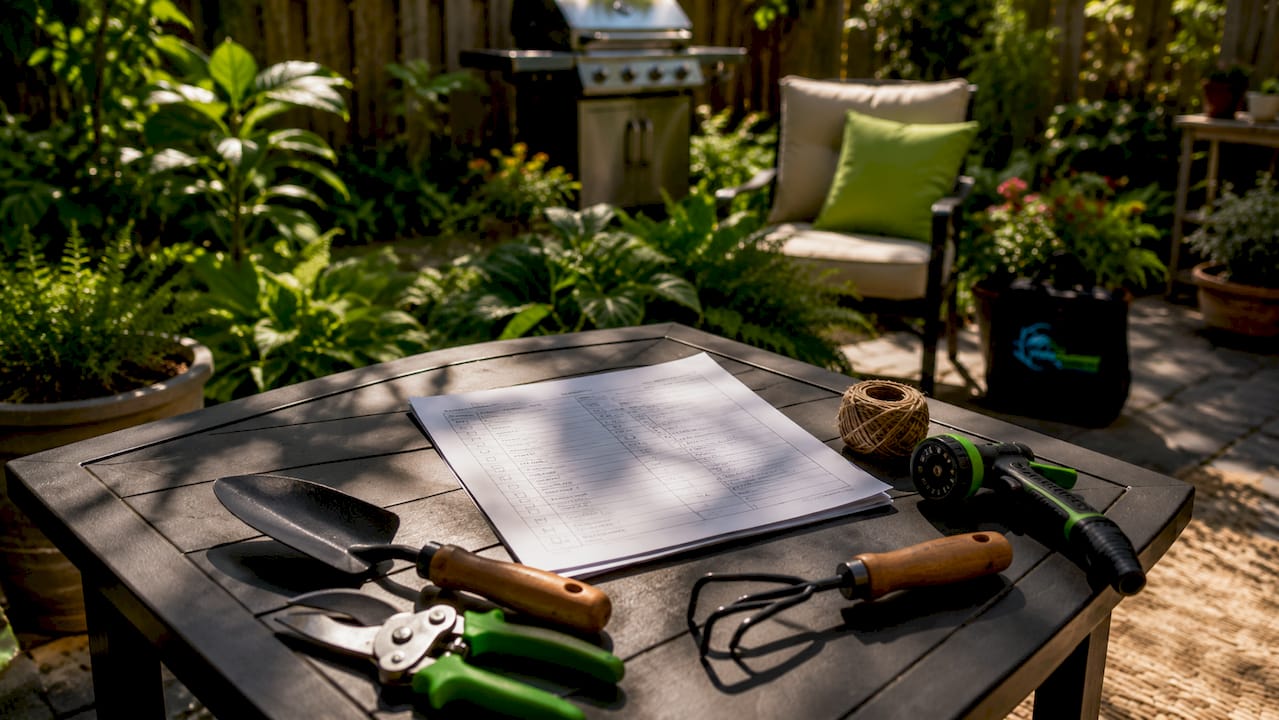
A complete property maintenance checklist covers monthly, quarterly, seasonal, and annual tasks. Each category targets a different layer of risk, from fire safety to structural integrity. The goal is catching small problems before they become expensive ones. Regular maintenance ensures longevity and functionality even for newer buildings, where early structural decay can begin within the first few years if upkeep is ignored.
The four core categories are:
- Monthly: Safety checks and quick inspections (30–60 minutes)
- Quarterly: Mechanical systems and exterior surfaces
- Seasonal: Weather-related prep and outdoor systems
- Annual: Deep inspections, professional services, and compliance checks
2. Monthly tasks that prevent the biggest failures
Monthly maintenance tasks like testing smoke and carbon monoxide detectors and inspecting HVAC filters take 30–60 minutes and prevent major failures. That time investment is small compared to the cost of what gets missed. A skipped HVAC filter change can cause a $2,000 heat exchanger failure. Skipping roof inspections can lead to $15,000 water damage claims.
Run through these tasks every month:
- Test smoke and carbon monoxide detectors. Press the test button on each unit. Replace batteries if the alarm sounds weak.
- Check HVAC filters. Replace 1-inch filters every 30 days. Thicker 4-inch filters can last 90 days.
- Inspect plumbing for leaks. Check under sinks, around toilets, and near the water heater for moisture or drips.
- Check fire extinguisher pressure. The needle should sit in the green zone. If it doesn’t, replace the unit.
- Test GFCI outlets. Press the test and reset buttons on outlets near water sources in kitchens and bathrooms.
- Inspect exterior doors and windows. Look for gaps in weatherstripping that let in air or moisture.
- Clear dryer vents. Lint buildup is a leading cause of house fires. Pull the dryer out and check the vent hose.
Pro Tip: Set a recurring calendar event on the first Saturday of every month. Use a free app like Google Calendar or a dedicated tool like Oxmaint to attach a checklist and mark tasks complete as you go.
3. Quarterly and seasonal tasks to protect your structure
Quarterly and seasonal maintenance targets the systems and surfaces most exposed to weather. These tasks require more time and sometimes a professional, but they protect your foundation, roof, and HVAC from the kind of damage that costs tens of thousands to fix.
Key quarterly tasks include:
- Clean gutters and downspouts. Clogged gutters overflow and push water against your foundation. Proactive water management is the single most impactful step to prevent costly structural damage.
- Inspect the roof. Look for missing shingles, damaged flashing, and moss growth. Use binoculars from the ground if climbing is unsafe.
- Check exterior caulking. Inspect around windows, doors, and where siding meets trim. Cracked caulk lets in water and air.
- Test sump pump operation. Pour water into the pit to confirm the pump activates and drains properly.
- Inspect the driveway and walkways. Cracks in concrete or asphalt let water in, which expands in cold weather and widens the damage.
For seasonal tasks, HVAC professional service costs range from $110–$300 and is recommended in spring and fall. That biannual service keeps your system running efficiently and catches refrigerant leaks, dirty coils, and worn belts before they cause a full breakdown.
Pro Tip: Book your HVAC service in february or august, before the spring and fall rush. Technicians are booked weeks out during peak season, and scheduling early often gets you a better rate.
Additional seasonal tasks by time of year:
- Spring: Check irrigation systems, inspect the deck or patio for winter damage, clean window screens.
- Summer: Trim trees away from the roofline, check attic ventilation, inspect the exterior for pest entry points.
- Fall: Drain and store garden hoses, check weatherstripping on all exterior doors, clean the chimney before first use.
- Winter: Insulate exposed pipes in unheated spaces, check attic insulation levels, test the heating system before temperatures drop.
For Citrus County homeowners, the seasonal exterior cleaning checklist covers region-specific tasks like algae removal and humidity-related surface buildup that standard guides often miss.
4. Annual and critical preventive maintenance tasks
Annual tasks are the ones most homeowners delay because they feel less urgent. That delay is where the real financial damage happens. A building inspection checklist for annual tasks should cover safety-critical systems that require professional eyes.
| Task | Frequency | DIY or Pro | Approximate Cost |
|---|---|---|---|
| Water heater flush | Annual | DIY | $0–$50 |
| Chimney inspection and sweep | Annual | Pro | $150–$350 |
| Roof inspection | Annual | Pro | $150–$400 |
| Electrical panel inspection | Annual | Pro | $100–$200 |
| Foundation crack check | Annual | DIY/Pro | $0–$500 |
| Sewer line inspection | Every 2–3 years | Pro | $250–$500 |
| Exterior paint condition | Annual | DIY | $0 |
Professional expertise is required for safety-critical maintenance like roof inspections, HVAC servicing, and electrical work. Attempting these without certification risks voiding your insurance coverage and creating genuine safety hazards.
The water heater flush is the one annual DIY task most homeowners skip. Sediment builds up at the bottom of the tank, reduces efficiency, and shortens the unit’s lifespan. Attach a garden hose to the drain valve, run it to a floor drain, and flush until the water runs clear. The whole job takes under 30 minutes.
Pro Tip: Schedule your chimney inspection in september before the first fire of the season. Chimney sweeps are booked solid from october through december. Booking early also gives you time to address any repairs before cold weather arrives.
5. How to build a property upkeep schedule that actually works
A property upkeep schedule works when it matches your property’s specific systems, age, and risk profile. A 1970s home with original wiring needs more frequent electrical checks than a 2015 build. A rental property needs a tenant maintenance request log alongside the standard schedule. Start by listing every system in your property and assigning it a maintenance frequency.
- Audit your property. Walk every room, the exterior, and all mechanical spaces. List every system: HVAC, plumbing, electrical, roof, foundation, and appliances.
- Assign task frequency. Use the monthly, quarterly, seasonal, and annual categories. Prioritize tasks by risk and cost impact first.
- Choose a tracking tool. A spreadsheet works for single properties. Oxmaint handles multi-unit buildings with task assignment, photo documentation, and completion tracking.
- Document everything. Keep receipts, inspection reports, and contractor invoices. Preventive maintenance records create compliance documentation vital for insurance claims and property valuations.
- Schedule professional services in advance. Book HVAC, chimney, and roof inspections at the start of the year. Contractors fill up fast, and last-minute bookings cost more.
- Assign responsibility. For rental properties, clarify in the lease which tasks fall to tenants and which stay with the owner. Tenant maintenance requests should go through a single documented channel.
- Review and update annually. After each year, check which tasks were missed and why. Adjust the schedule to reflect new systems, aging equipment, or changes in occupancy.
Nearly 50% of property owners hire professional managers to handle emergency repairs and preventive maintenance. That shift improves peace of mind and protects asset value. For owners who self-manage, the key is consistency over perfection.
Pro Tip: Sync your maintenance calendar across all your devices and share it with your contractor or property manager. Google Calendar allows shared access, so everyone sees upcoming tasks and completed work in real time.
For a broader view of what exterior upkeep costs and requires year-round, the 2026 exterior maintenance checklist breaks down budgeting and task timing by season.
Key takeaways
A structured property maintenance checklist reduces emergency repair costs by up to 4.8x and protects long-term property value through consistent, documented preventive care.
| Point | Details |
|---|---|
| Budget 1%–2% annually | Set aside $4,000–$8,000 per year on a $400,000 home to cover routine and unexpected repairs. |
| Monthly tasks prevent major failures | Smoke detector tests and HVAC filter checks take under 60 minutes but stop costly emergencies. |
| Water management is the top priority | Gutter cleaning and proper drainage prevent foundation damage, the most expensive structural repair. |
| Hire pros for safety-critical systems | Roof, chimney, electrical, and HVAC inspections require certified professionals to maintain insurance coverage. |
| Document every task | Maintenance records support insurance claims, property valuations, and compliance requirements. |
Why I stopped treating maintenance as optional
The biggest mistake I see property owners make is treating maintenance as something to do when there’s time. There’s never time. There’s only the choice between a planned $150 gutter cleaning and an unplanned $8,000 foundation repair.
I’ve worked alongside property managers who run tight, documented schedules and owners who wing it. The difference in repair costs is not subtle. Professional management of preventive maintenance reduces tenant turnover and emergency repair frequency, and the data backs that up consistently.
The shift that changes everything is moving from reactive to preventive. Once you have a written schedule, a tracking tool, and a short list of trusted contractors, maintenance stops feeling like a crisis and starts feeling like a system. The documentation that comes from that system also pays off at resale and during insurance claims in ways most owners don’t anticipate until they need it.
My honest recommendation: start with the monthly checklist. Thirty minutes once a month builds the habit. Add quarterly and annual tasks once the rhythm is established. Don’t wait for something to break.
— Bobby
Keep your exterior in top condition with Whitediamondpressurewashing
Exterior surfaces take the most visible damage from weather, algae, and neglect. Driveways, roofs, walkways, and siding all need regular cleaning to prevent buildup that degrades materials over time.

Whitediamondpressurewashing serves homeowners and commercial property owners across Citrus County with professional pressure washing and soft washing services. The team uses industry-approved low-pressure techniques that clean surfaces without causing damage, protecting your investment while improving curb appeal. Whether you need a one-time deep clean or want to add exterior washing to your regular property maintenance plan, Whitediamondpressurewashing offers flexible scheduling and free estimates. The benefits of exterior cleaning go beyond appearance. Regular washing prevents surface decay, reduces pest entry points, and extends the life of paint and sealants.
FAQ
How often should a property maintenance checklist be reviewed?
Review your checklist at least once a year. Update it whenever you add new systems, complete major renovations, or change occupancy.
What is the most important item on a home maintenance schedule?
Water management is the top priority. Gutter cleaning and proper drainage prevent foundation damage, which is the most expensive and destructive issue a homeowner can face.
Can tenants handle any items on a rental property maintenance checklist?
Tenants can handle basic tasks like replacing light bulbs and reporting leaks promptly. Owners remain responsible for all safety-critical systems, including HVAC, electrical, and structural inspections.
How much should I budget for annual property upkeep?
Budget 1%–2% of your home’s purchase price annually. A $400,000 home requires $4,000–$8,000 per year to cover routine maintenance and minor repairs.
Do I need a professional for every item on a property inspection checklist?
No. Tasks like filter changes, caulking, and water heater flushing are DIY-friendly. Roof inspections, chimney sweeps, and electrical panel checks require certified professionals to stay compliant with insurance requirements.
Recommended
- The Ultimate 2026 exterior maintenance checklist for homeowners – white-diamond-pressure
- Roof Maintenance Tips 2025: What Homeowners Must Know – white-diamond-pressure
- Why Home Maintenance Matters: Save Money, Protect Property – white-diamond-pressure
- Walkway Cleaning Checklist for Homeowners in 2026 – white-diamond-pressure
One thought on “Property Maintenance Checklist: Homeowner’s 2026 Guide”