

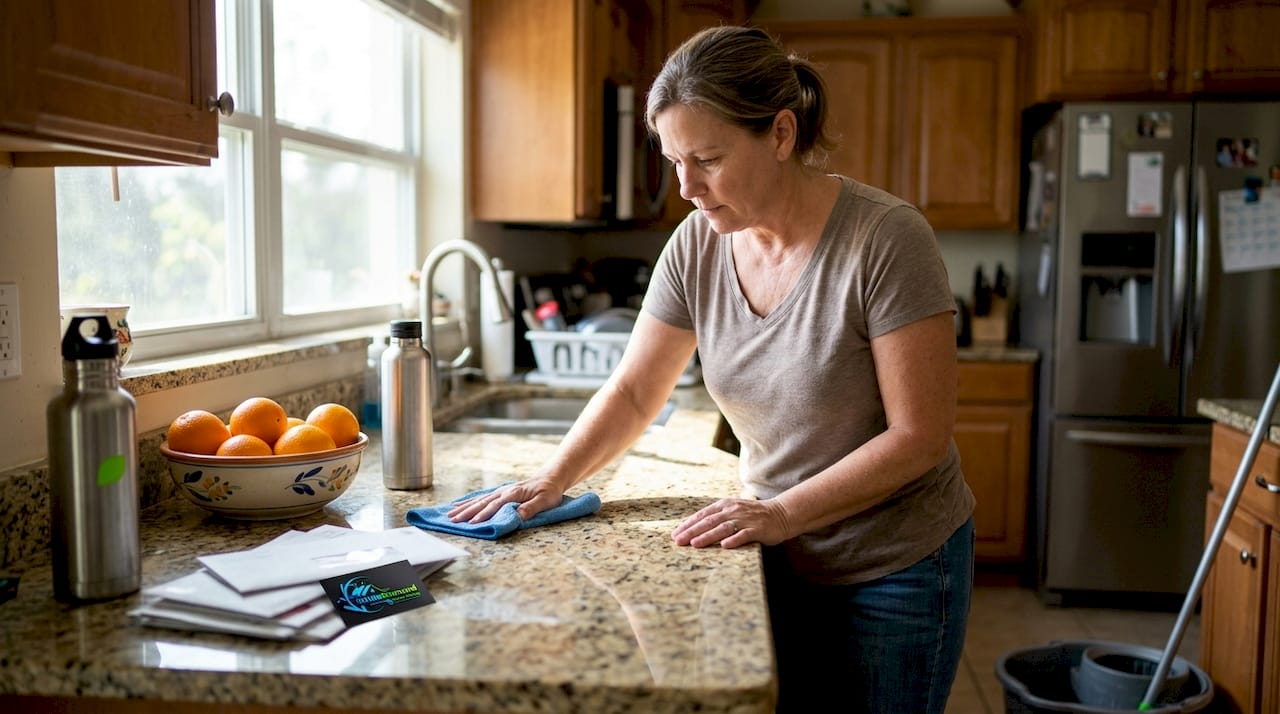
That strong chemical smell coming from your cleaning products doesn’t mean they’re working harder. In fact, many homeowners in Citrus County reach for the harshest cleaners available, believing more power equals better results. But harsh chemicals can damage surfaces if not used correctly, and the risks go beyond just your countertops. This guide breaks down what safe cleaning actually means, which products genuinely work, and how to protect your home’s surfaces and your family’s health without sacrificing results.
Table of Contents
- What makes a cleaning method ‘safe’?
- Why safe methods matter: Protecting your home and health
- Comparing cleaning agents: What really works?
- Matching cleaner to surface: Preventing damage, maximizing results
- Safe cleaning for the environment: Eco-friendly choices for Citrus County
- Tips for implementing safer routines in your home
- Want safer, longer-lasting cleaning for your home?
- Frequently asked questions
Key Takeaways
| Point | Details |
|---|---|
| Clean before you disinfect | Soap and water suffice most days; use disinfectants only when truly needed. |
| Choose the right product | Always pick cleaners matched to your surfaces and look for pH-neutral labels. |
| Safer is often greener | EPA Safer Choice and simple solutions like vinegar-water protect your home and the planet. |
| Avoid routine harsh chemicals | Frequent bleach use increases surface damage and health risk without proven benefits. |
| Test new products first | Apply any new cleaner in a discreet spot before widespread use to avoid stains or deterioration. |
What makes a cleaning method ‘safe’?
Safe cleaning isn’t about using the mildest product on the shelf. It’s about using the right method in the right order. The CDC recommends mechanical cleaning with soap and water first, followed by targeted sanitizing or disinfecting only when truly necessary. That order matters more than most people realize.
Cleaning physically removes dirt, grease, and germs from a surface. Disinfecting kills germs, but only works well on a surface that’s already clean. Skipping the cleaning step and going straight to disinfectant is like painting over a dirty wall. It looks like you did something, but the results won’t last.
Here’s what separates a safe cleaning method from a risky one:
- Mechanical action first: Scrubbing with soap and water removes the bulk of contaminants.
- Targeted chemical use: Only apply disinfectants when there’s a real need, such as illness in the home.
- Surface compatibility: The product must be safe for the specific material you’re cleaning.
- Human safety: Avoid products that release harmful fumes or leave toxic residues.
- Eco-friendliness: Choose biodegradable formulas that won’t harm your yard, garden, or local waterways.
Routine use of strong disinfectants can trigger asthma, leave chemical residues on surfaces, and wear down finishes over time. Building preventative cleaning strategies into your routine reduces how often you need harsh products at all. For exterior surfaces like roofs, following roof cleaning tips from professionals helps you avoid costly mistakes.
Pro Tip: If a product requires gloves, a mask, and ventilation just to use it indoors, that’s a signal to look for a safer alternative for routine cleaning tasks.
Why safe methods matter: Protecting your home and health
Citrus County homes face a unique set of challenges. The humidity, heat, and frequent rain create ideal conditions for mold, mildew, and algae growth on surfaces like stone, vinyl siding, and wood. The instinct is to blast these with bleach or strong cleaners. But that approach often causes more harm than good.
“Always clean first before applying any disinfectant. Harsh chemicals can damage surfaces if not used properly, and routine disinfection is unnecessary for most household situations.”
Here’s what improper cleaning does to common Citrus County surfaces:
- Stone and pavers: Acidic cleaners etch the surface, dulling the finish and making it more porous over time.
- Vinyl siding: Bleach degrades the material with repeated use, causing brittleness and color fading.
- Wood decks and fences: Strong chemicals strip protective coatings and raise the wood grain, accelerating rot.
- Sealed tile and grout: Harsh products break down sealants, allowing moisture to penetrate and cause cracking.
Beyond surface damage, chemical residues left on floors and countertops can affect indoor air quality and trigger respiratory issues, especially for children and anyone with allergies. The risks of high-pressure washing are similar: too much force strips surfaces just like too much chemical does. Understanding which exterior surfaces to clean with which methods is the foundation of smart home maintenance.
Comparing cleaning agents: What really works?
Let’s cut through the marketing and look at what the research actually says. Soap scrubbing achieves a 1.9 to 2.7 log10 reduction in microbes on non-porous surfaces, which is comparable to vinegar’s 2.1 to 2.9 log10 reduction. Baking soda, despite its popularity, offers minimal germ reduction. Bleach has the highest kill rate but also the highest risk of surface and health damage.
| Cleaning agent | Effectiveness | Surface safety | Eco-friendliness |
|---|---|---|---|
| Soap and water | High on non-porous surfaces | Excellent | Good |
| Vinegar solution | High on non-porous surfaces | Good (avoid stone) | Excellent |
| Baking soda | Low germ reduction | Good | Excellent |
| Bleach | Very high germ kill | Poor (damages many surfaces) | Poor |
| pH-neutral cleaner | High | Excellent | Good to excellent |
| EPA Safer Choice products | High | Excellent | Excellent |
EPA Safer Choice certified products are biodegradable, safer for septic systems, and gentler on surfaces while still delivering strong cleaning performance. They’re worth the slightly higher price tag for regular use.
Pro Tip: Save bleach for genuine disinfection needs, like after a sewage backup or confirmed illness. Using it weekly on your bathroom tiles is overkill and will shorten the life of your grout and fixtures.
Avoiding pressure washing mistakes follows the same logic: matching the method to the task protects your investment. The benefits of exterior cleaning are real, but only when done with the right approach.
Matching cleaner to surface: Preventing damage, maximizing results
pH-neutral cleaners in the 6.5 to 7.5 range are the safest choice for most home surfaces, including stone, sealed wood, and tile floors. They clean effectively without etching, stripping, or leaving residue buildup. Going outside that range, even slightly, can cause visible damage over time.
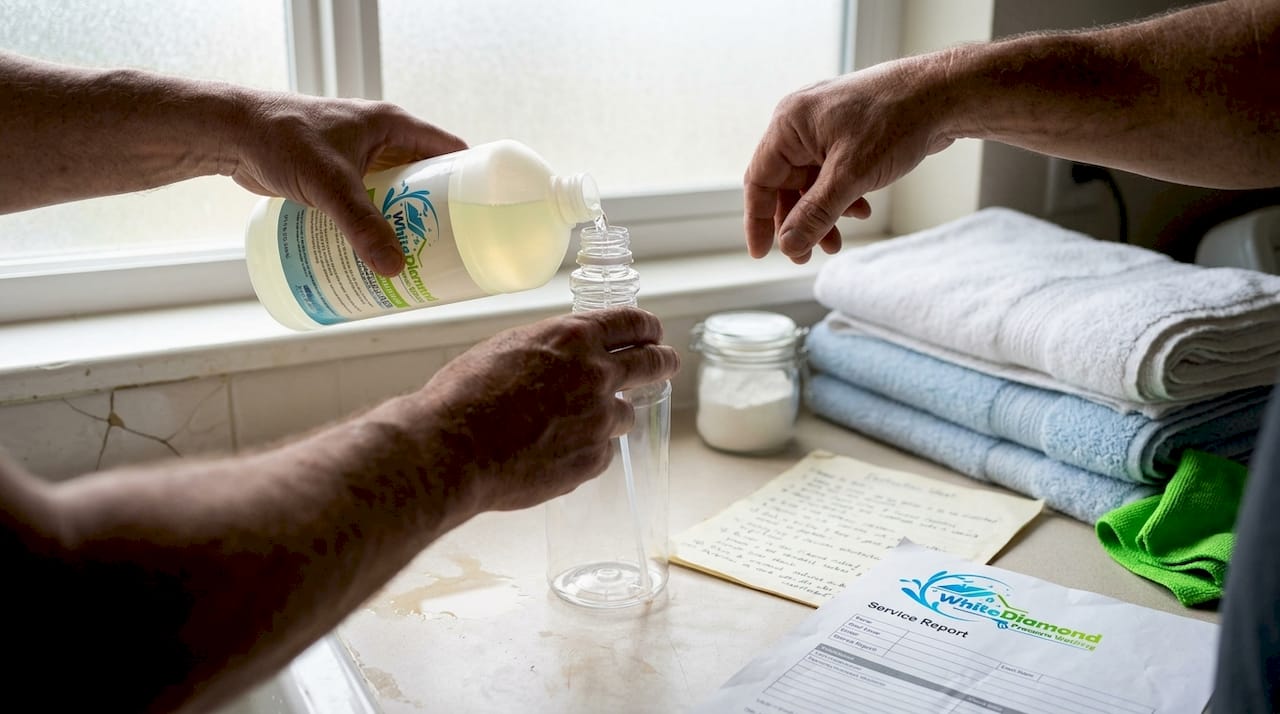
One surprising finding: antibacterial soaps reduce the microhardness of acrylic and copolyester surfaces. For bathroom fixtures and acrylic tubs, plain liquid soap or a mild children’s toothpaste is actually safer than antibacterial formulas.
Here’s a quick guide for matching cleaners to common surfaces:
| Surface | Recommended cleaner | Avoid |
|---|---|---|
| Natural stone | pH-neutral cleaner | Vinegar, bleach, acidic products |
| Wood (sealed) | Mild soap and water | Bleach, ammonia |
| Vinyl siding | Diluted dish soap | Undiluted bleach, abrasives |
| Ceramic tile | Vinegar solution or pH-neutral | Bleach on colored grout |
| Acrylic fixtures | Plain liquid soap | Antibacterial soaps, abrasives |
| Concrete/pavers | pH-neutral or diluted bleach (spot only) | Straight acid cleaners |
Follow this checklist before cleaning any surface:
- Identify the surface material and check manufacturer recommendations.
- Choose a pH-neutral or surface-specific cleaner.
- Spot-test in a small, hidden area and wait 10 minutes.
- Clean with mechanical action (scrubbing) first.
- Rinse thoroughly with clean water.
- Disinfect only if there’s a specific health reason to do so.
For exterior surfaces, following best Citrus County cleaning practices keeps your home looking great without shortening the life of your materials.
Pro Tip: When in doubt, test first. A 10-minute spot test in an inconspicuous area costs you nothing and can save you from an expensive repair.
Safe cleaning for the environment: Eco-friendly choices for Citrus County
Citrus County’s springs, rivers, and groundwater make it one of Florida’s most ecologically sensitive areas. What goes down your drain or runs off your driveway doesn’t just disappear. It enters the local water system, and the wrong cleaning products can cause real harm.
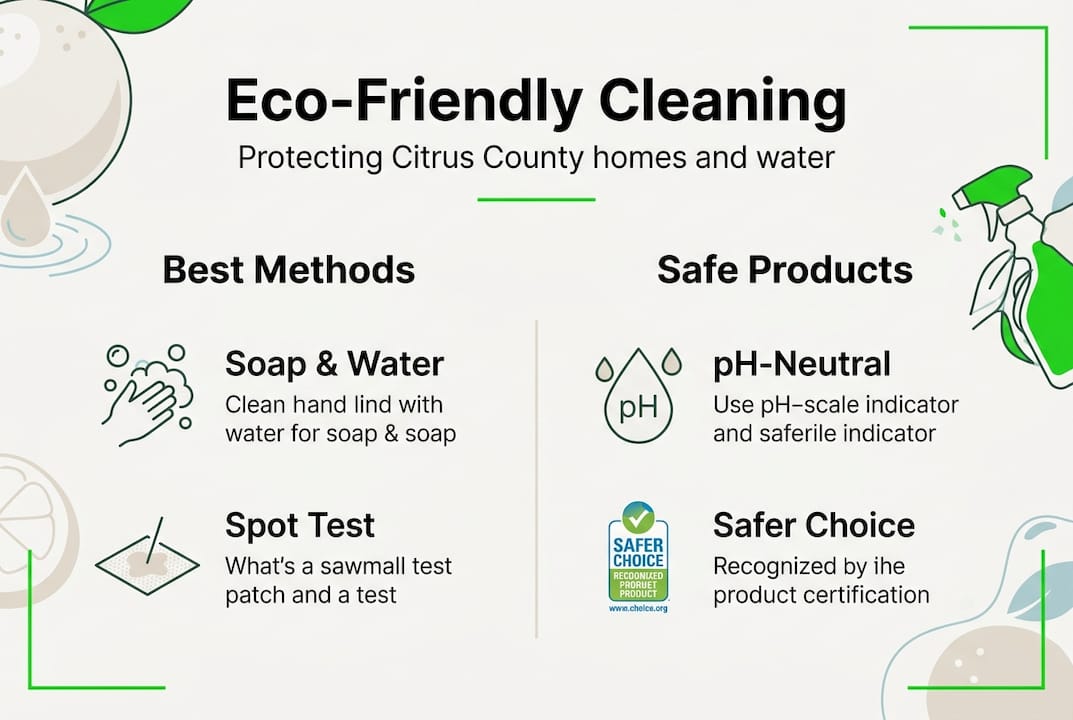
EPA Safer Choice certified products are formulated to be biodegradable and safe for septic systems, which is especially important for rural Citrus County properties. UF/IFAS recommends vinegar-water solutions for vinyl, wood, and tile floors as effective homemade cleaners that won’t harm local ecosystems.
When shopping for eco-friendly cleaners, look for:
- EPA Safer Choice label: Indicates the product meets strict safety and environmental standards.
- Biodegradable formula: Breaks down naturally without harming soil or water.
- No phosphates: Phosphates fuel algae blooms in local waterways.
- No synthetic fragrances: These often contain compounds that don’t break down easily.
- Plant-based surfactants: Gentler on the environment than petroleum-based alternatives.
Avoid pouring leftover cleaning solutions down storm drains or onto your lawn. Dilute and dispose of them properly, or choose products that are safe enough to rinse away without concern. Choosing soft washing for eco-friendly homes on your exterior surfaces is another way to reduce chemical runoff while still getting a thorough clean.
“The safest cleaning products for Citrus County homes are those that protect your surfaces, your family, and the local environment at the same time.”
Tips for implementing safer routines in your home
Knowing the right products is only half the battle. Building a consistent routine is what actually protects your home over time. Here’s how to put everything together:
- Clean before you disinfect. Always remove dirt and grease with soap and water before applying any disinfectant.
- Rinse thoroughly. Leftover cleaning product residue can attract dirt and degrade surfaces faster.
- Spot-test new products. Even products labeled as safe can react unexpectedly with certain finishes.
- Disinfect only when needed. Reserve disinfectants for illness recovery, not weekly routine cleaning.
- Never mix bleach with vinegar or ammonia. This creates toxic fumes that are dangerous in enclosed spaces.
- Schedule seasonal exterior cleaning. Florida’s weather means mold and algae build up fast, especially after summer storms.
For porous and textured surfaces like wood or ceramic tile, mechanical action is essential because chemicals penetrate less effectively. Scrubbing does more work than soaking. UF/IFAS confirms that vinegar-water solutions work well on floors, but warns never to mix bleach with acids like vinegar.
Pro Tip: Set a monthly reminder to check high-moisture areas like your roof line, driveway edges, and window sills for early signs of mold or algae. Catching it early means you can clean it with mild products instead of resorting to harsh chemicals later.
If you’re preparing your home’s exterior for a fresh coat of paint, knowing why to clean before painting can save you from peeling and adhesion failures down the road.
Want safer, longer-lasting cleaning for your home?
Some cleaning jobs go beyond what a spray bottle and scrub brush can handle. Roof stains, driveway algae, and years of built-up grime on siding need professional-grade methods that are still safe for your surfaces and the environment.
At White Diamond Pressure Washing, we use the soft washing process to clean exterior surfaces with low pressure and biodegradable solutions, protecting your home’s materials while delivering results that last. The advantages of low-pressure washing go beyond just avoiding damage: it’s a smarter, longer-lasting clean. We help Citrus County homeowners avoid pressure washing mistakes that cost time and money. Ready to see the difference? Contact us for a free estimate and let us handle the tough jobs safely.
Frequently asked questions
What is the difference between cleaning and disinfecting?
Cleaning removes dirt and germs using soap and water, while disinfecting uses chemicals to kill germs on an already-clean surface. The CDC advises cleaning first, then disinfecting only if necessary.
Are natural cleaners like vinegar as effective as bleach?
Vinegar performs comparably to soap on non-porous surfaces but is less effective at killing tough pathogens than bleach. However, bleach is more damaging to surfaces and should be used sparingly.
How can I tell if a cleaner is safe for my surfaces?
Look for pH-neutral labels and always test in a small hidden area first. pH-neutral cleaners prevent etching and residue buildup on stone, wood, and sealed floors.
What products are best for eco-friendly cleaning in Citrus County?
EPA Safer Choice certified products and homemade vinegar-water solutions are top choices. UF/IFAS recommends these for floors and general surfaces as safe, biodegradable options.
When should I disinfect instead of just cleaning?
Disinfect only when someone in your home has been ill or on high-touch surfaces during a health concern. Routine disinfecting is unnecessary for most everyday cleaning situations.
Recommended
- Why Invest in Exterior Cleaning for Citrus County Homes – white-diamond-pressure
- Best practices for property cleaning in Citrus County 2026 – white-diamond-pressure
- Why licensed cleaning pros matter for Citrus County homes – white-diamond-pressure
- Importance of Driveway Cleaning for Citrus County Homes – white-diamond-pressure
- Car Detailing Workflow At Home: 70% Less Harmful Runoff
- Why chandelier cleaning matters: 25% brighter homes – CrystalPlace