

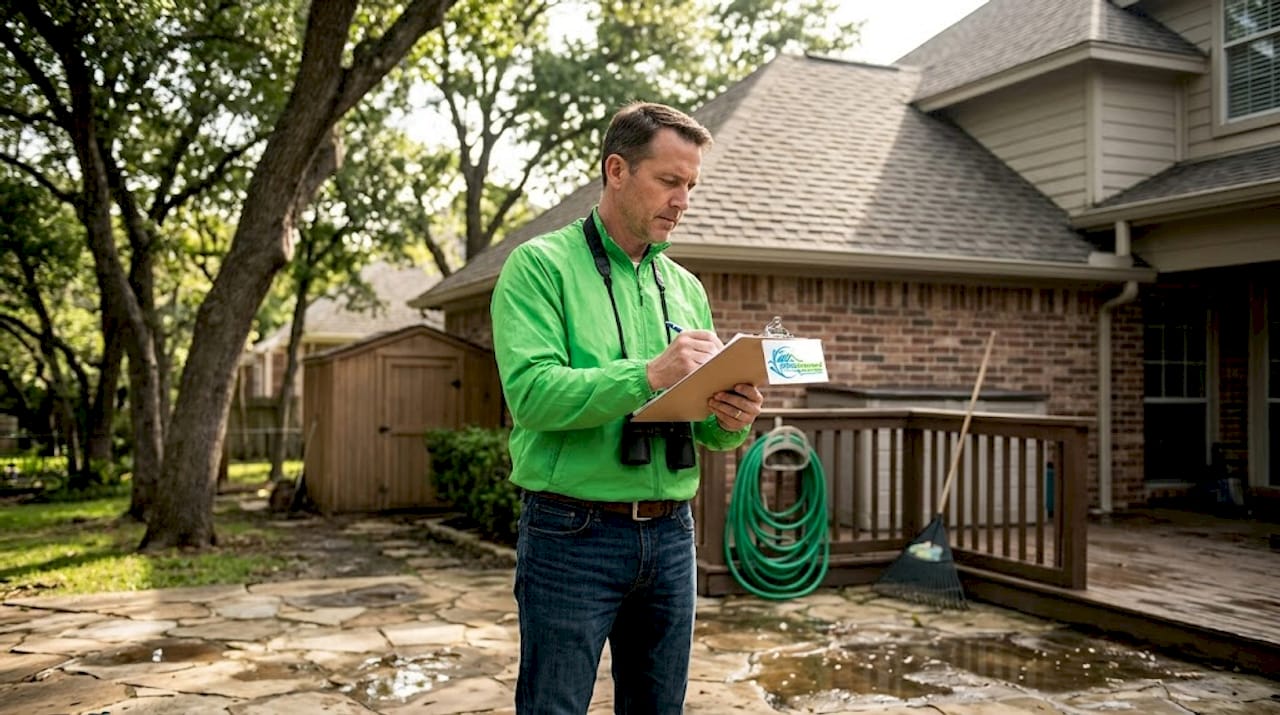
TL;DR:
- Homeowners should inspect their roofs twice annually and after major storms to prevent costly damage. Regular maintenance, including gutter cleaning and moss control, extends roof lifespan and minimizes emergency repairs. Professional inspections and proper documentation are essential for early problem detection and warranty protection.
Most homeowners never think about their roof until water starts dripping through the ceiling. By then, a $400 fix has turned into a $6,000 emergency. Following the right roof maintenance tips 2025 demands means getting ahead of damage, not reacting to it. Preventative maintenance is the single most cost-effective strategy for avoiding emergency repairs and the sky-high insurance claims that follow. This guide gives you a practical, prioritized roadmap to protect your roof this year, whether you manage one home or a dozen properties.
Table of Contents
- Key takeaways
- 1. Follow the right roof maintenance tips 2025 inspection schedule
- 2. Clean your gutters more often than you think
- 3. Control moss, algae, and plant growth
- 4. Trim overhanging trees before they become a problem
- 5. Inspect and reseal your flashing and vent boots
- 6. Check attic ventilation and insulation levels
- 7. Tailor your approach to your specific roof material
- 8. Follow a seasonal roof maintenance checklist
- 9. Know when to call a professional
- My honest take on what homeowners keep getting wrong
- Keep your roof clean and protected with Whitediamondpressurewashing
- FAQ
Key takeaways
| Point | Details |
|---|---|
| Inspect twice a year | Schedule professional inspections each spring and fall to catch damage before it compounds. |
| Small repairs save big money | A localized leak repair costs $300–$900 vs. a full replacement exceeding $12,000. |
| Document every inspection | Keeping maintenance records protects your warranty and boosts resale value. |
| Season timing matters | Complete your spring checklist within four weeks before May to prepare for summer storms. |
| Cleaning extends roof life | Regular debris and moss removal can add 5–10 years to a 20-year roof’s lifespan. |
1. Follow the right roof maintenance tips 2025 inspection schedule
Timing is everything with roof inspections. The National Roofing Contractors Association recommends two professional inspections yearly: once in spring to assess winter damage, and once in fall to prepare for freeze-thaw cycles. Most homeowners skip one or both, then wonder why a minor shingle problem turned into a full attic leak.
Between those professional visits, you should walk the perimeter of your home after every major storm. Severe weather triggers immediate ground-level checks to catch hidden damage before it spreads. Look for lifted or missing shingles, sagging gutters, granules collecting in your downspouts, and any visible dips or bowing in the roofline.
Inside the house, check your attic after heavy rain or snow. Water stains on rafters, daylight visible through the decking, or a musty smell all signal problems that still look invisible from the street.
Pro Tip: Take dated photos during every inspection and store them in a folder labeled by season and year. Roofing warranties often require documented maintenance records to remain valid during a claim.
2. Clean your gutters more often than you think
Gutters are a roof maintenance task most people treat as optional. They are not. Clogged gutters force water back under your shingles, rot the fascia board, and create the perfect conditions for ice dams in winter. Clean them at minimum twice per year: once after the last leaves fall in late autumn, and once in early spring before the storm season arrives.

If you have large trees overhanging your roof, bump that up to three or four times per year. A yard debris guide after any major storm can also help you clear organic material before it settles into your gutters and traps moisture.
While you are up there, check that gutter hangers are secure, downspouts are directing water away from your foundation, and no joints are separating. These are ten-minute fixes that prevent thousands of dollars in water damage.
3. Control moss, algae, and plant growth
That dark green or black streaking on your roof is not just cosmetic. Moss and algae retain moisture directly against your shingles, accelerating wear and inviting rot. Left unchecked, moss roots physically lift shingles away from the roof deck.
For treatment, avoid high-pressure washing on asphalt or wood shingles. Instead, use a diluted bleach solution or a product specifically labeled for roof algae removal. Apply it, let it work, and rinse gently. For prevention, zinc or copper strips installed near the ridge line release trace metals during rain that discourage regrowth.
If you want to understand what those black streaks really mean for your roof’s health, it goes deeper than aesthetics. Moss and algae are early warning signs that your roof is retaining more moisture than it should.
4. Trim overhanging trees before they become a problem
Tree branches that scrape across your shingles during wind storms wear away the granule layer that protects your roof from UV damage and water. A branch that falls during a storm can punch through the deck entirely.
Keep branches trimmed back at least six feet from the roof surface. This also improves airflow across the roof, which speeds up drying after rain and dramatically reduces the conditions that favor moss and algae growth. Call a licensed arborist for large limbs. Doing it yourself on a ladder with a chainsaw near your roofline is not a trade-off worth making.
5. Inspect and reseal your flashing and vent boots
Flashings are the metal strips that seal the joints between your roof and vertical surfaces: chimneys, skylights, dormer walls, and plumbing vents. They are the most common entry point for water, and they are almost always overlooked during homeowner walkthroughs.
Check flashings for rust, lifting edges, or gaps in the sealant. When resealing, use silicone or polyurethane rather than standard latex caulk. Silicone and polyurethane remain flexible through freezing temperatures, which prevents cracking and failure during winter. Latex caulk stiffens and separates, often within a single freeze-thaw cycle.
Rubber vent boots around pipe penetrations are another weak point. The rubber degrades in UV light over time and develops cracks. Replacing a vent boot costs about $15 in materials and an hour of time. A leak from a failed vent boot that goes unnoticed for six months can cost ten to twenty times that in drywall and insulation repair.
6. Check attic ventilation and insulation levels
Your attic is not separate from your roof system. It is part of it. Poor attic ventilation traps heat in summer, which cooks your shingles from below and shortens their rated lifespan. In winter, that same trapped heat melts snow on the roof surface, which refreezes at the cold eaves and forms ice dams that force water under your shingles.
The fix that actually works is proper insulation. Attic insulation rated R-38 to R-60 prevents enough heat transfer to stop ice dams from forming in the first place. Roof heat cables only manage the symptom. They run up your electricity bill and delay ice dam damage rather than preventing it.
Check that soffit vents are not blocked by insulation, and that ridge vents are clear. Balanced airflow in and out of the attic is what keeps roof deck temperatures stable year-round.
7. Tailor your approach to your specific roof material
Not all roofs age the same way, and best roof care practices 2025 mean matching your maintenance approach to what is actually on top of your house.
Asphalt shingles are the most common and the most forgiving. Watch for granule loss in your gutters (a sign the shingles are aging out), cracked or curling edges, and any shingles that appear darker than their neighbors, which can indicate trapped moisture.
Metal roofs have a different vulnerability. Organic debris on metal roofing traps moisture that accelerates rust and deterioration. Keep the surface clear, check fasteners for backing out, and look for any spots where panel seams are lifting. A loose fastener on a metal roof is a fast path to a major leak.
Flat roofs need ponding water inspections after every significant rain. Standing water that stays more than 48 hours after a storm is actively degrading your membrane. Check for blistering, cracking, or separation at seams and around drains.
Tile and wood shake roofs require more frequent inspections because individual tiles can crack or displace during storms and freeze-thaw cycles. Walk-on inspections of tile roofs should only be done by professionals who know how to distribute their weight without cracking additional tiles.
8. Follow a seasonal roof maintenance checklist
A roof maintenance checklist you actually follow beats a perfect one you ignore. Here is a seasonal rhythm that works without consuming your weekends.
- Spring (within four weeks before May): Complete your post-winter damage inspection. Spring sequence timing within this four-week window gives you the best protection heading into summer storm season. Clean gutters, do a ground-level scan with binoculars, and schedule your professional inspection.
- Summer: Focus on ventilation. Check that attic fans are working, vents are clear, and no shingles show signs of heat warping or accelerated granule loss. This is also the ideal season for moss and algae treatment since dry conditions allow products to work properly.
- Fall: Clean gutters again after leaves drop. Inspect and reseal any flashing that looks questionable before the first freeze. Caulk around vent penetrations using silicone or polyurethane sealant.
- Winter: Do not walk on a snow-covered roof. Use a roof rake from the ground to pull snow away from eaves if you live in a northern climate. Check your attic after heavy snowfall for condensation or signs of water infiltration.
Pro Tip: Ground-level visual checks with a good pair of binoculars take about ten minutes and catch the majority of common problems, including missing shingles, debris buildup, and sagging gutters, without any ladder risk.
9. Know when to call a professional
How to maintain a roof well means knowing your limits. Cleaning gutters and scanning from ground level are reasonable DIY tasks. Walking the roof slope to inspect flashing, replacing shingles, or diagnosing an attic moisture problem are jobs where a professional earns their fee.
Localized roof repairs typically cost $300 to $900. A full roof replacement on an average home runs north of $12,000. The math on calling a roofer early is not complicated.
If your roof is more than 15 years old, consider scheduling a professional inspection every year rather than every two. Age accelerates the rate at which small issues become serious ones.
My honest take on what homeowners keep getting wrong
I have seen this pattern more times than I can count. A homeowner knows their roof probably needs some attention. They mean to get around to it. They assume that if something were seriously wrong, they would see it from the driveway. They wait.
What they miss is that the most damaging roof problems are invisible at street level. A separated flashing seal, a cracked vent boot, or a few inches of compromised soffit are not visible from 50 feet away. By the time water stains appear on a bedroom ceiling, the damage often extends across several rafters and into the wall framing.
I have also watched homeowners spend $200 on roof heat cables when they needed $800 worth of attic insulation. The cables kept the ice dams manageable. They did not stop them. Treating symptoms instead of causes is expensive over time.
The other underrated habit is documentation. Writing down what you inspected and what you found, even in a simple notes app, does two things. It protects your warranty. It also forces you to actually look, because you are recording what you observed rather than just walking past and assuming everything looks fine.
Start the exterior maintenance checklist habit this season. It costs you an hour twice a year and can add 5 to 10 years to a 20-year roof.
— Bobby
Keep your roof clean and protected with Whitediamondpressurewashing
Maintenance tasks like inspections and flashing checks are only part of the picture. Moss, algae, black streaks, and organic debris physically degrade your roofing materials over time, and most homeowners have no safe way to address them without risking shingle damage or a fall.

Whitediamondpressurewashing specializes in soft washing roof services that remove biological growth and debris without the high-pressure spray that strips granules or forces water under shingles. Their low-pressure techniques are specifically designed to clean while preserving the integrity of your roofing materials. Serving Citrus County and surrounding areas, Whitediamondpressurewashing makes it easy to combine a professional cleaning with your seasonal maintenance schedule. Visit whitediamondpressurewashing.com to get a free estimate and protect your investment before the next storm season arrives.
FAQ
How often should I inspect my roof?
Inspect your roof twice a year, in spring and fall, with a professional. Also do a ground-level scan after any major storm event.
What are the first signs of roof damage to look for?
Watch for granules in your gutters, curling or missing shingles, lifted flashing, and water stains inside your attic.
Does regular maintenance really extend roof life?
Yes. Consistent upkeep adds an estimated 5 to 10 years to a standard 20-year roof by preventing the small issues that compound into structural damage.
Can I pressure wash my own roof?
High-pressure washing can strip granules from asphalt shingles and force water under the surface. Soft washing or low-pressure methods are safer and more effective for roof cleaning.
What is the biggest roof maintenance mistake homeowners make?
Waiting until damage is visible from inside the house. By that point, a repair that could have cost a few hundred dollars often costs several thousand.
4 thoughts on “Roof Maintenance Tips 2025: What Homeowners Must Know”