


TL;DR:
- Property management cleaning contracts must include a detailed scope of work, measurable service level agreements, verified insurance coverage, and clear termination clauses. Building strong vendor relationships and conducting regular inspections help maintain high standards and reduce long-term costs. Properly negotiated contracts and ongoing quality control ensure property value and tenant satisfaction.
Property management cleaning contracts are legally binding agreements that define the scope, frequency, quality standards, and liability protections for cleaning services at managed properties. Every property manager who skips a formal contract risks scope creep, disputed invoices, and tenant complaints that erode asset value. The industry standard for these agreements now includes Service Level Agreements (SLAs), insurance minimums, and task-level scope definitions. This guide covers what to include, how to negotiate, and how to avoid the mistakes that cost property managers money every year.
1. Essential elements every property management cleaning contract must include
A well-structured cleaning service agreement protects both parties and leaves no room for interpretation. The following components are non-negotiable in any professional contract.
Scope of work. A task-level scope is the single most important element. Vague language like “clean common areas” invites low-effort interpretations and service gaps. The scope must be a room-by-room checklist with frequency assignments: daily, weekly, monthly, and quarterly tasks listed separately.
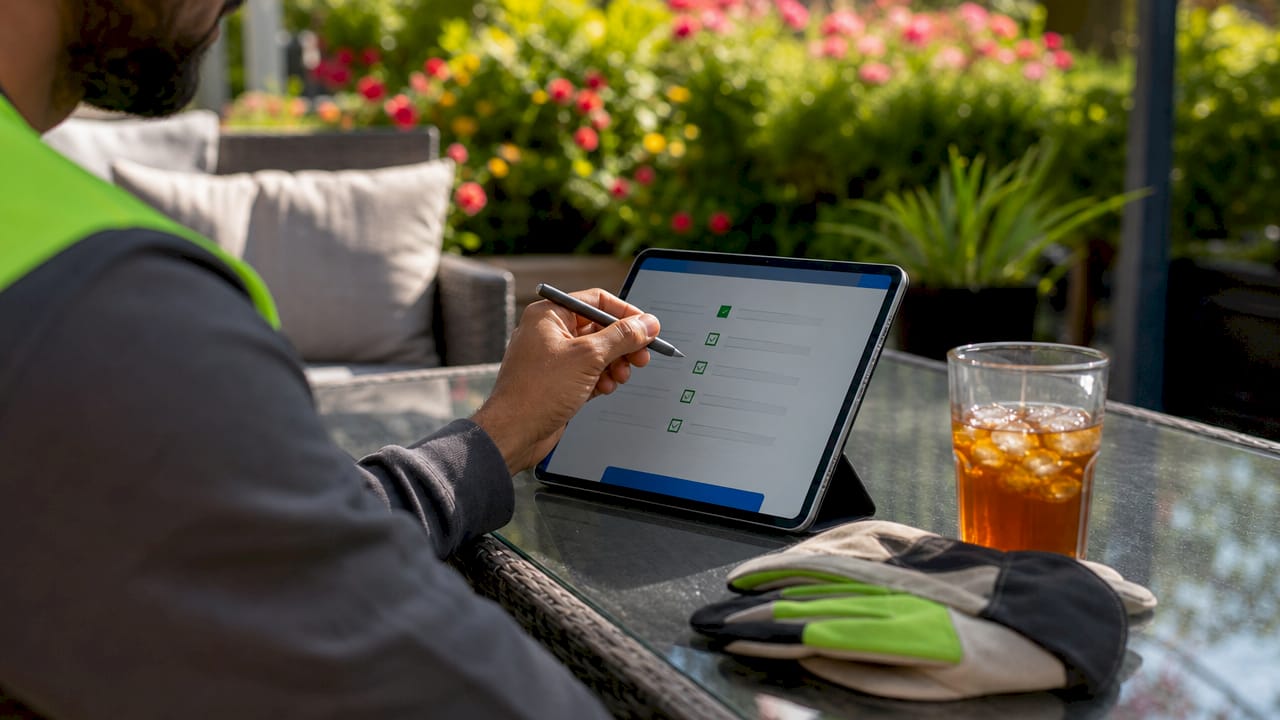
Service Level Agreement. The SLA sets measurable quality standards. The industry benchmark is a minimum inspection score of 85/100, with any missed area addressed within 24 hours. Digital inspection reports and quarterly business reviews are the current standard for maintaining accountability.
Insurance and bonding. Professional cleaning contracts require general liability minimums of $1M–$2M per occurrence, workers’ compensation per state law, and an employee dishonesty bond of at least $100,000. These numbers protect you from theft, injury claims, and property damage.
Pricing structure. Standard janitorial services cost $0.10–$0.35 per square foot per month. Deep cleaning, carpet extraction, and floor maintenance are billed separately per event or per square foot. Require line-item pricing that breaks out labor, supplies, and equipment so you can compare bids on equal footing.
Contract length and exit terms. Initial terms should be one year with clear renewal options. A termination for convenience clause with 30–60 days’ written notice protects you if quality deteriorates. Cap early termination penalties at one month’s fee to avoid vendor lock-in.
- Scope of work: room-by-room checklist with daily, weekly, monthly, and quarterly frequencies
- SLA: minimum inspection score with 24-hour corrective action window
- Insurance: $1M–$2M general liability, workers’ comp, $100,000 dishonesty bond
- Pricing: line-item breakdown of labor, supplies, and equipment
- Term: one-year initial period, 30–60 day termination notice, capped penalties
- Add-ons: separate pricing for deep cleaning, exterior washing, and emergency services
Pro Tip: Require vendors to name you as “additional insured” on their Certificate of Insurance and set a calendar reminder to collect the renewal certificate annually. Policies can expire mid-term without notice.
2. How to find, bid on, and negotiate cleaning service contracts
Finding the right vendor starts with a formal Request for Proposal (RFP). Formal RFPs secure 15–25% lower cleaning costs and fewer disputes by enforcing clarity upfront. That cost reduction alone justifies the time investment.
- Post a detailed RFP. Distribute your RFP through facility management networks, local trade associations, and online platforms that connect property managers with commercial vendors. The more specific your RFP, the more accurate the bids you receive.
- Weight value over price. Price should account for no more than 30% of your evaluation score. Score vendors on references, staffing plans, quality control processes, and insurance compliance.
- Build relationships with local vendors. Property managers in Citrus County and similar regional markets benefit from vendors who know local regulations, labor conditions, and seasonal demands. A vendor with local roots responds faster to urgent requests.
- Negotiate scope before price. Agree on exactly what is included before discussing cost. Vendors who negotiate price first often cut corners on scope later.
- Use trial periods as leverage. Trial periods of 60–90 days with easy exit options let you evaluate a vendor without long-term risk. This is one of the strongest negotiating tools available to property managers.
Pro Tip: Ask each bidder to walk your property before submitting a proposal. Vendors who skip the site visit almost always underbid and then request change orders once work begins.
3. Common pitfalls in cleaning service agreements and how to avoid them
Most contract disputes trace back to a small set of recurring mistakes. Recognizing them before you sign saves significant time and money.
- Vague scope of work. A scope that says “clean restrooms” without specifying fixtures, frequency, and products creates instant disagreement. Every task needs a frequency and a standard.
- No SLA enforcement mechanism. An SLA without a corrective action process is decorative. The contract must state what happens when the vendor misses the standard, including written notice, a cure period, and the right to terminate.
- Choosing the lowest bid. Selecting the lowest-priced bid leads to higher long-term costs through staff turnover, poor supervision, and quality failures. A vendor who cannot sustain their price will cut labor first.
- Auto-renewal traps. Contracts that auto-renew for 12-month terms without notice requirements lock you into poor-performing vendors. Require a 60-day written notice window before any renewal takes effect.
- Skipping insurance verification. The Certificate of Insurance is non-negotiable. Require vendors to name you as additional insured and track annual renewals. A lapsed policy leaves you exposed to liability the moment an incident occurs.
“Failure to verify insurance and background checks is the single most expensive mistake property managers make in cleaning contracts. One uninsured incident can cost more than years of contract savings.”
For landlords managing residential properties, the exterior cleaning checklist before tenant move-in is a practical starting point for defining scope in residential cleaning agreements.
4. How to customize your contract by property type
Residential and commercial properties have fundamentally different cleaning demands. A contract written for a single-family rental will fail in a 200-unit apartment complex or a retail strip center.
| Property type | Key contract adjustments |
|---|---|
| Single-family residential | Focus on interior deep cleaning, appliance cleaning, and exterior surface washing at tenant turnover |
| Multi-unit residential | Add common area frequency schedules, elevator and lobby standards, and laundry room protocols |
| Commercial office | Include restroom sanitation standards, floor care programs, and after-hours access provisions |
| High-traffic retail | Require daily floor maintenance, entrance cleaning, and spill response time commitments |
| Mixed-use properties | Separate residential and commercial scopes with distinct SLAs and pricing for each zone |
Multi-unit properties need seasonal adjustments built into the contract. Tenant volume fluctuates, and a fixed-scope contract will either over-deliver in slow periods or under-deliver during peak occupancy. Build in a quarterly scope review clause that allows adjustments without renegotiating the entire agreement.
Add-on services deserve their own pricing schedule. Exterior pressure washing, deep cleaning after tenant move-out, and emergency clean-ups are not routine tasks. Whitediamondpressurewashing, for example, provides exterior soft washing and low-pressure cleaning as defined add-on services for property managers in Citrus County. Pricing these separately prevents disputes when non-routine work is needed. For commercial properties, the commercial cleaning guide for Citrus County outlines how to structure these add-on scopes effectively.
Understanding cleaning fee variables across different property types also helps property managers set realistic budget expectations when drafting contracts for short-term rental units.
Key takeaways
The most effective property management cleaning contracts combine a task-level scope, a measurable SLA, verified insurance, and a fair termination clause to protect both property value and tenant satisfaction.
| Point | Details |
|---|---|
| Scope of work is the foundation | Write a room-by-room checklist with task frequencies to prevent service gaps and disputes. |
| SLAs require enforcement teeth | Set a minimum inspection score and a 24-hour corrective action window or the SLA is unenforceable. |
| Insurance minimums are non-negotiable | Require $1M–$2M general liability, workers’ comp, and a $100,000 dishonesty bond from every vendor. |
| Price is not the top evaluation criterion | Weight price at no more than 30% of your vendor score to avoid low-bid quality failures. |
| Trial periods reduce long-term risk | A 60–90 day trial with easy exit terms lets you test a vendor before committing to a full-year contract. |
What I’ve learned from years of property cleaning contracts
The biggest mistake I see property managers make is treating a cleaning contract like a commodity purchase. They collect three bids, pick the lowest number, and wonder why the property looks worse six months later.
The vendors who consistently deliver are the ones who feel like partners, not just vendors. Effective vendor relationships are built on open communication and shared goals, not just contract language. That means quarterly check-ins, written feedback after inspections, and recognizing good work when you see it.
The second lesson is that quality control inspections using checklists and tenant feedback surveys are what actually sustain standards over time. A contract sets the expectation. Inspections enforce it. Most property managers do the first and skip the second.
Cheap bids almost always cost more in the long run. I have watched properties cycle through three vendors in two years because the manager kept choosing the lowest price. The turnover, retraining, and quality gaps cost far more than the savings on the original bid. Pay for quality upfront and build a contract that holds the vendor accountable.
— Bobby
Whitediamondpressurewashing: exterior cleaning built for property managers
Property managers in Citrus County need a cleaning partner who shows up with the right equipment, proper insurance, and a clear scope every time.

Whitediamondpressurewashing provides customizable exterior cleaning services for residential and commercial properties, including soft washing, low-pressure roof cleaning, driveway washing, and tenant move-in exterior prep. Every service comes with documented insurance coverage and a defined scope, so you have the paperwork your contracts require. Visit Whitediamondpressurewashing to request a free estimate or book a consultation. For a full list of available services, the services page outlines every option with pricing guidance for property managers.
FAQ
What should a property management cleaning contract always include?
Every cleaning service agreement must include a task-level scope of work, a measurable SLA, insurance minimums of $1M–$2M general liability, and a termination clause with 30–60 days’ notice. These four elements prevent the most common disputes.
How much do commercial cleaning contracts typically cost?
Standard janitorial services cost $0.10–$0.35 per square foot per month, with deep cleaning and specialty services billed separately. Pricing varies by property type, cleaning frequency, and local labor market conditions.
How do I evaluate cleaning bids without choosing the cheapest option?
Weight price at no more than 30% of your total evaluation score and assess vendors on references, staffing plans, insurance compliance, and quality control processes. The lowest bid consistently produces the highest long-term costs.
What is a trial period in a cleaning contract?
A trial period is a 60–90 day initial phase with easy exit terms that lets property managers evaluate vendor performance before committing to a full-year agreement. It is one of the most effective negotiating tools available.
How often should I inspect a cleaning vendor’s work?
Conduct formal inspections using a scored checklist at least quarterly, and collect tenant feedback surveys between inspections. Document corrective actions in writing to create an enforceable performance record.
Recommended
- Why Schedule Multi-Unit Cleaning: A Property Manager’s Guide – white-diamond-pressure
- Exterior Cleaning Before Tenant Move-In: Landlord Guide – white-diamond-pressure
- Property Maintenance Checklist: Homeowner’s 2026 Guide – white-diamond-pressure
- Commercial property cleaning guide for Citrus County 2026 – white-diamond-pressure
One thought on “Property Management Cleaning Contracts: A 2026 Guide”