

TL;DR:
- Proper pressure levels vary by surface to prevent damage and maintain warranty protection.
- DIY pressure washing is suitable for small, ground-level projects, but complex surfaces require professionals.
- Local experts emphasize low-pressure techniques for Citrus County homes to protect materials from climate-related damage.
Most homeowners assume that blasting a surface with maximum pressure is the fastest path to a spotless exterior. That belief leads to splintered decks, peeling paint, and voided warranties every single year. The truth is that effective pressure washing is about precision, not power. Citrus County homes face unique challenges: humidity, mold, mildew, and a mix of older and newer building materials that each respond differently to water pressure. This guide breaks down what pressure levels mean, how to match them to your specific surfaces, and when it makes sense to call in a professional who already knows your neighborhood.
Table of Contents
- What are pressure levels and why do they matter?
- Choosing the right pressure level for each exterior surface
- How improper pressure causes costly damage
- How professionals select the safest, most effective pressure
- When to DIY and when to call a professional
- Why pressure level expertise makes the difference for Citrus County homes
- Connect with Citrus County’s trusted pressure washing experts
- Frequently asked questions
Key Takeaways
| Point | Details |
|---|---|
| Proper pressure prevents damage | Selecting the right pressure level is crucial to avoid harming your home’s exterior surfaces. |
| Match pressure to material | Every surface—from siding to roofs—requires a tailored PSI for safety and effective cleaning. |
| Professional help saves money | Hiring experts prevents costly mistakes and protects your home’s value in the long-term. |
| Avoid common DIY pitfalls | Amateur mistakes can quickly lead to expensive repairs; know when to call a pro. |
| Safety first | Understanding and applying correct pressure levels keeps both your family and property safe. |
What are pressure levels and why do they matter?
Pressure washing uses water forced through a nozzle at varying speeds, and the force behind that water is measured in pounds per square inch (PSI). Think of PSI as the muscle behind the clean. A garden hose typically runs around 40 to 70 PSI. A residential pressure washer can range from 1,000 PSI all the way up to 4,000 PSI or beyond. That gap is enormous, and choosing the wrong point on that spectrum for a given surface can cause real harm.
Different materials on your home’s exterior sit at different levels of vulnerability. Here’s a quick look at the surface spectrum:
- Soft surfaces (roof shingles, painted wood, older brick): Highly sensitive. Even moderate pressure can strip protective coatings, dislodge granules, or crack mortar.
- Medium surfaces (vinyl siding, wood decks, fences): Tolerant of low to moderate pressure when combined with the right detergents.
- Hard surfaces (concrete driveways, brick pavers, stone walkways): Can handle higher PSI but still need controlled application to avoid etching.
The consequences of ignoring these differences are serious. Wood can splinter or warp. Paint peels and bubbles. Concrete can develop a rough, etched texture that traps future dirt. Water can even be forced behind siding and into wall cavities, creating a hidden mold problem that’s far more expensive to fix than the original dirt.
“Using incorrect pressure can lead to surface damage and safety risks that no homeowner wants to deal with after the fact.”
For a deeper look at how the wrong settings create hazards, explore common DIY pressure washing risks that catch homeowners off guard. Pairing solid industry power washing tips with local know-how gives your home the protection it deserves.
Choosing the right pressure level for each exterior surface
Now that you understand pressure risks and basics, let’s see how these principles apply to the materials around your home. A major mistake people make is treating every surface the same. The reality is that not all dirt requires high pressure. A slimy film of algae on a roof, for example, lifts off easily with low pressure and the right cleaning solution. Cranking the PSI won’t do it faster. It will just destroy the shingles.
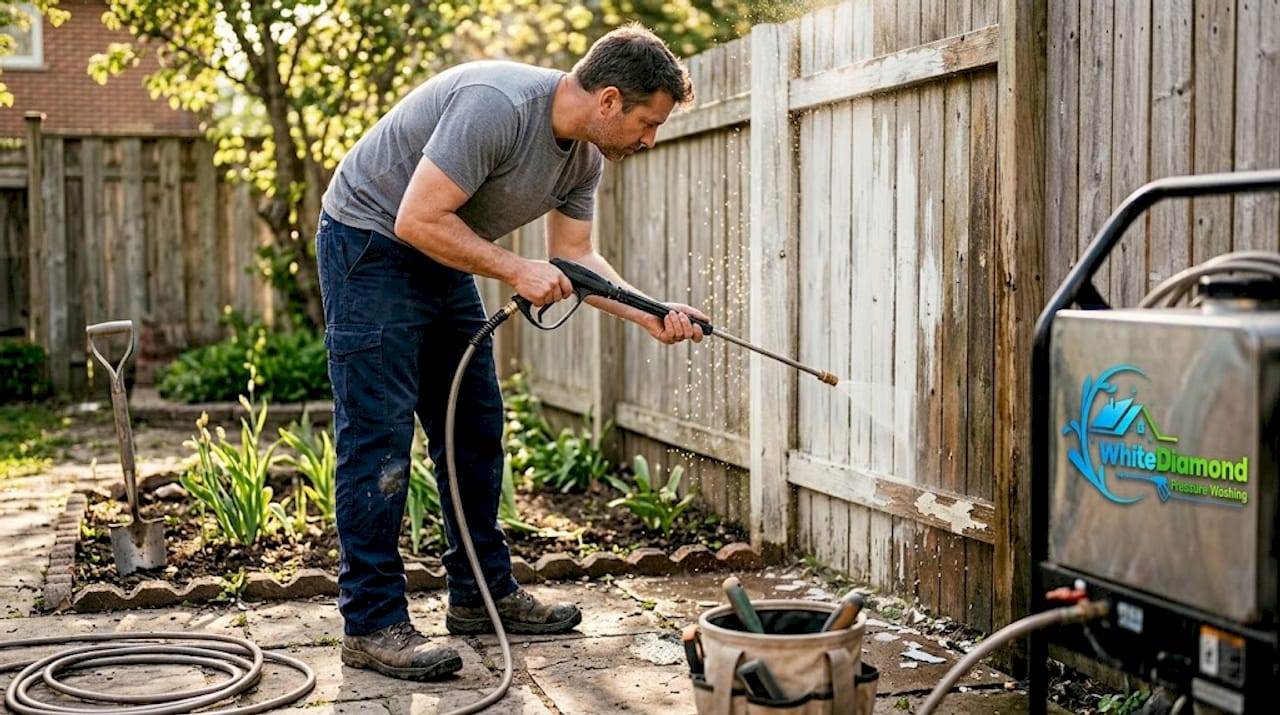
Here’s a practical reference table for the most common surfaces around Citrus County homes:
| Surface | Recommended PSI | Key risk if too high |
|---|---|---|
| Roof shingles | 500 to 1,000 | Granule loss, shingle damage |
| House siding (vinyl) | 1,300 to 1,600 | Warping, water intrusion |
| Wood deck | 500 to 1,200 | Splintering, grain raise |
| Concrete driveway | 2,500 to 3,000 | Surface etching |
| Wood fence | 600 to 1,500 | Cracking, roughening |
| Windows | Under 1,000 | Seal failure, breakage |
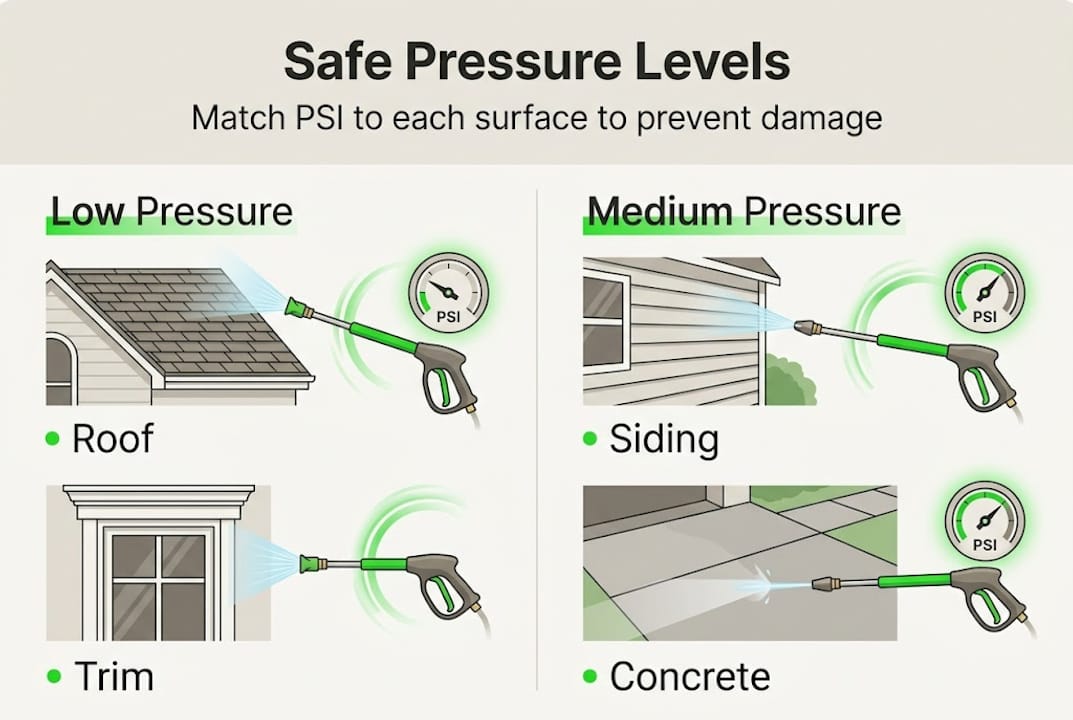
As recommended pressure levels confirm, exceeding surface-specific limits consistently leads to preventable damage. Low-pressure washing is safest and most effective for delicate surfaces like roofs and painted trim.
To choose the right setting before a wash, follow these steps:
- Identify the surface material and whether it has any coating, paint, or sealant.
- Check the age and condition of the surface. Older or weathered materials need gentler treatment.
- Start at the lowest appropriate PSI and increase gradually only if needed.
- Select the correct nozzle (wider spray angles are gentler; narrow angles concentrate force).
- Test on an inconspicuous spot before covering the whole area.
Pro Tip: Always test your pressure washer on a small, hidden corner of the surface first. If you see any lifting, discoloration, or texture change, drop your PSI immediately before moving on.
Never use high pressure on roofs, painted trim, or older brick. The role of water pressure in surface outcomes is larger than most people expect.
How improper pressure causes costly damage
Understanding proper levels helps you prevent something homeowners dread: accidental damage. Here’s how things go wrong when pressure is misapplied.
The damage isn’t always visible at first. A blown window seal, for instance, may not fog up for weeks. You finish the job, everything looks clean, and then one morning your windows are hazy and moisture-filled. Replacing a double-pane window seal can cost $150 to $400 per window. Multiply that by several windows, and you’re looking at a significant bill.
Here’s a breakdown of common damage types and their average repair costs:
| Damage type | Average repair cost |
|---|---|
| Blown window seals | $150 to $400 per window |
| Splintered deck boards | $300 to $1,500 |
| Etched concrete driveway | $500 to $2,000 |
| Destroyed roof shingles | $1,000 to $4,000+ |
| Water intrusion behind siding | $2,000 to $10,000 |
Signs that you’ve used too much pressure include:
- White or streaky marks on siding that won’t wash off
- Raised wood grain or splinters on decks after cleaning
- Granules from shingles collecting in gutters
- Foggy or moisture-fogged window panes
- Paint bubbling or peeling shortly after a wash
High pressure can etch concrete, destroy roof shingles, and void warranties that manufacturers have tied to approved cleaning methods. This is not a minor technicality. Many roofing warranties specifically exclude damage caused by high-pressure water application, meaning you could lose thousands in coverage over one bad cleaning session.
Avoiding these pressure washing mistakes starts with knowing what you’re working with before the water ever flows. Pressure washing safety tips from trusted home resources reinforce this point with clear, practical guidance.
How professionals select the safest, most effective pressure
To really protect and extend the life of your home, many Citrus County homeowners rely on professional wisdom and assessment. Here’s what the experts do differently.
A trained technician doesn’t walk up, point, and shoot. They run through a mental checklist before a single drop of water hits your surface. Here’s what that looks like in practice:
- Evaluate surface age and material to understand fragility and appropriate starting PSI.
- Assess current condition including cracks, peeling paint, or previous damage.
- Identify contaminants such as algae, mold, oil stains, or mineral deposits, since each requires a different cleaning approach.
- Check environmental conditions including wind and temperature, which affect how detergents work.
- Select nozzle type and angle to match the surface and the task.
- Choose and mix detergents that lift contaminants without relying purely on water force.
Experienced professionals also know when to put the pressure washer down entirely. Soft washing, a low-pressure method paired with specialized solutions, is often the right choice for roofs, delicate painted surfaces, and older masonry. Expert pressure washing keeps home value and materials safe over the long run.
“The biggest risk most homeowners overlook is not the surface they’re cleaning. It’s the one right next to it that catches the overspray.”
Pro Tip: When hiring a company, ask specifically for their PSI range on your surface type. A reputable contractor will answer confidently. If they don’t have a clear answer, that’s a red flag.
Good references like pressure washing dos and don’ts outline what separates careful professionals from operators who rely on brute force. Understanding pressure washing safety practices before you hire protects both your surfaces and your budget.
When to DIY and when to call a professional
By now, you probably see how much expertise counts, but let’s clarify where you can safely DIY and where it’s time to hire out.
Projects generally safe for DIY:
- Small concrete patios at ground level
- Basic garden walkways with no cracks or stains
- Garden furniture made of plastic or metal
- Trash cans and similar items
Projects that require professional hands:
- Roof cleaning of any kind
- Multi-story siding or any elevated surface
- Painted trim, wood siding, or older brick
- Surfaces with existing damage or compromised seals
- Driveways with deep oil stains or heavy mold growth
Citrus County homes often have a combination of these, especially older properties with mixed materials and shaded areas that breed mold fast. Hiring a professional prevents costly errors and ensures the work is backed by proper insurance. If something goes wrong during a professional job, you’re covered. If it goes wrong during a DIY session, you pay out of pocket.
The hidden costs of amateur mistakes add up fast: repair bills, lost warranty protection, and time spent fixing problems that didn’t exist before the cleaning. How to use a pressure washer guides can help for basic tasks, but they can’t replace the judgment that comes from washing hundreds of homes across different conditions. Knowing the reasons to avoid DIY pressure washing for complex jobs can save you thousands in avoidable repairs.
Why pressure level expertise makes the difference for Citrus County homes
Here’s the perspective you won’t find in most generic guides: pressure washing is less about the machine and more about the person running it.
Citrus County has its own climate personality. High humidity, subtropical heat, and heavy seasonal rainfall create conditions where mold and algae grow aggressively on virtually every surface. A technician from a different region may know the physics of PSI but underestimate how quickly a Florida roof can accumulate biological growth or how older block homes in this area absorb water differently than newer construction.
The advantages of low-pressure washing are especially significant here because local homes often need frequent cleaning, and repeated high-pressure blasting degrades materials faster than the elements alone would. Prevention and gentle care are a smarter investment than aggressive cleaning followed by expensive repairs.
Curb appeal and home value depend on surfaces staying intact over years, not just looking clean after a single wash. That’s the long game, and it’s one that expertise wins every time.
Connect with Citrus County’s trusted pressure washing experts
Knowing the right pressure levels is just the first step. Applying that knowledge safely, with the right equipment and local experience, is where results are actually made.

At White Diamond Pressure Washing, we match every job to the specific surface, condition, and cleaning goal. Our team works across Citrus County using industry-approved techniques that protect your investment while delivering a genuinely clean result. Whether your driveway needs a refresh or your roof is showing signs of algae growth, we’re ready to help. Explore our full range of pressure washing services and learn more about our safest pressure washing practices. Get your free estimate today and see what the right pressure can do.
Frequently asked questions
What PSI is safe for house siding?
Most house siding is safely cleaned between 1,300 and 1,600 PSI with appropriate nozzle distance. Going higher than that risks water intrusion and surface warping.
Can pressure washing void my roof warranty?
Yes, using overly high pressure on your roof can void many manufacturers’ warranties due to potential granule and shingle damage. Always use low-pressure or soft wash methods on roofing materials.
What should I do if I notice damage after pressure washing?
Stop cleaning immediately, document the damage with photos, and contact a professional for assessment. Professional help is vital after any pressure-related damage to prevent further deterioration.
How often should I pressure wash my home’s exterior?
Most homes in Citrus County benefit from professional exterior cleaning once a year, or more frequently in humid or heavily shaded areas. Annual cleaning prevents buildup and material decay that shortens the lifespan of your surfaces.
Recommended
- Annual Pressure Washing Schedule: Protecting Citrus County Homes – white-diamond-pressure
- Safety Protocols in Pressure Washing: Protecting Citrus County Homes – white-diamond-pressure
- Importance of Licensed Pressure Washing for Citrus County Homes – white-diamond-pressure
- Why protecting home exteriors matters in Citrus County – white-diamond-pressure